Lifestyle
A DAY WITHOUT A CLOCK: HOW HUMANS LEARNED TO MEASURE TIME
September 20, 2026 · 54 views ·by Emma-Golden
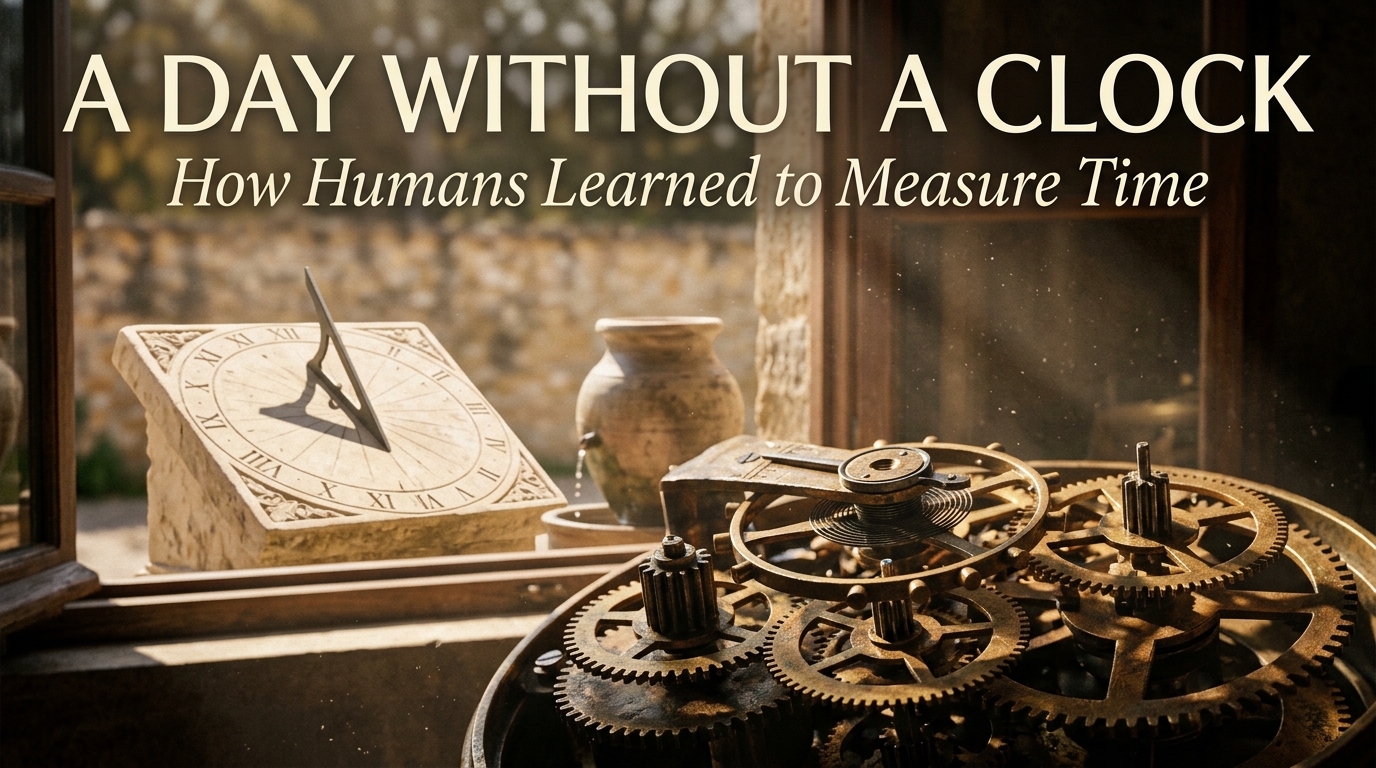
A DAY WITHOUT A CLOCK: HOW HUMANS LEARNED TO MEASURE TIME
How Would Your Day Go Without A Clock? ↩️
Click the link to enjoy the audiobook ⬆️
Imagine waking up tomorrow and discovering that every clock has disappeared.
No phone showing the time.
No wristwatch.
No wall clock.
How would you know when to work, eat, sleep or meet someone?
For early humans, there were no digital clocks or watches.
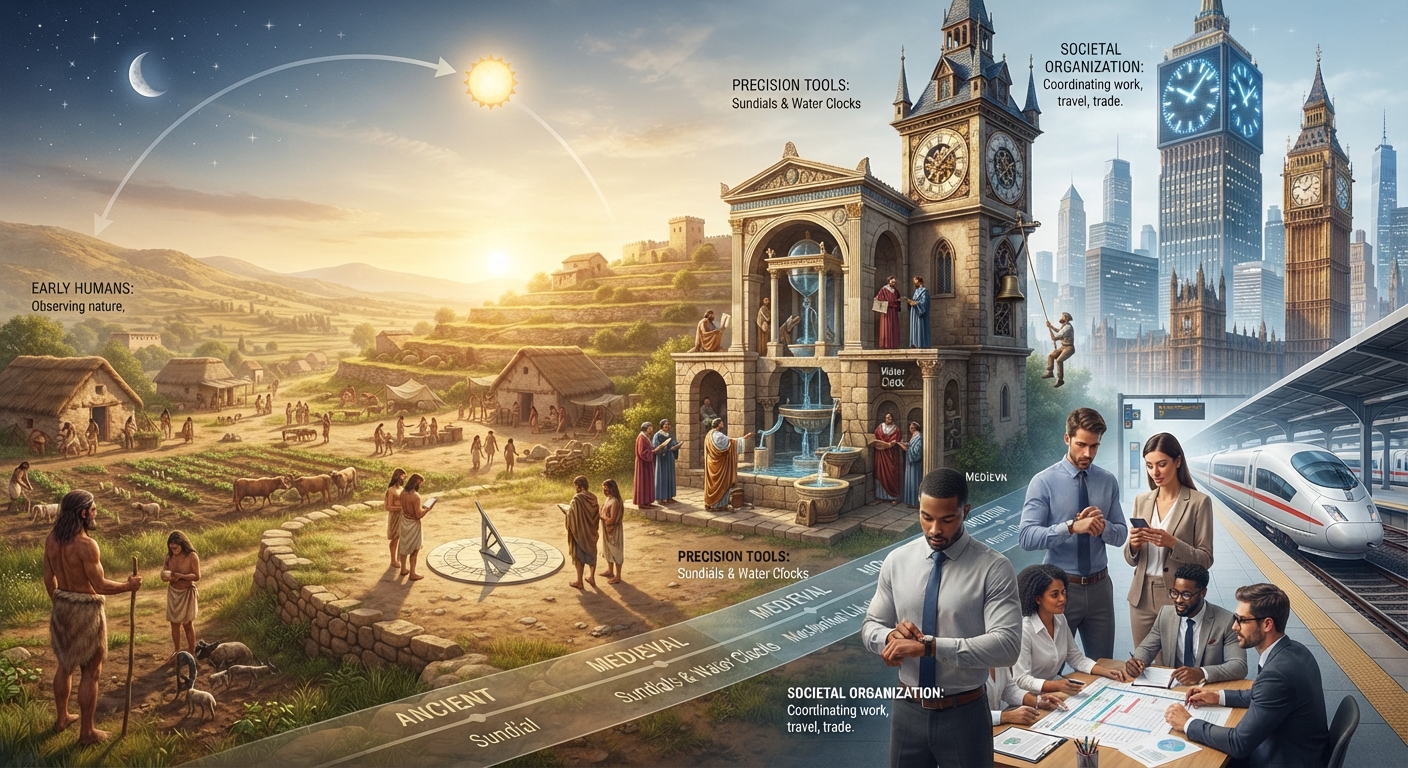
People observed nature.
The movement of the sun helped them understand the day. The moon helped mark longer periods. Seasons helped communities know when to plant and harvest.
Eventually, humans developed tools to measure time more precisely.
Sundials used shadows created by sunlight.
Water clocks measured time through the movement of water.
Later came mechanical clocks, watches and eventually the incredibly accurate clocks used today.
But measuring time was not only about knowing what hour it was.
It became important for organizing society.
People needed to coordinate work, travel, religious activities, trade and eventually transportation.
We say, “I'll call you at 3.”
A plane leaves at a particular time.
A business opens at 8.
A meeting lasts one hour.
We often feel like we are constantly running against the clock.
Yet time itself hasn't changed.
Our relationship with it has.
Perhaps that is why time feels so valuable.
We cannot store it.
We cannot buy yesterday back.
We can only decide what to do with the time we have.
So maybe the oldest lesson about time is also the simplest:
You don't get more time. You only get to choose how you use it.
Comments (1)
we cannot buy yesterday back