Business
AI TOOLS YOU CAN INCORPORATE INTO YOUR BUSINESS TODAY
October 1, 2026 · 19 views ·by Emma-Golden
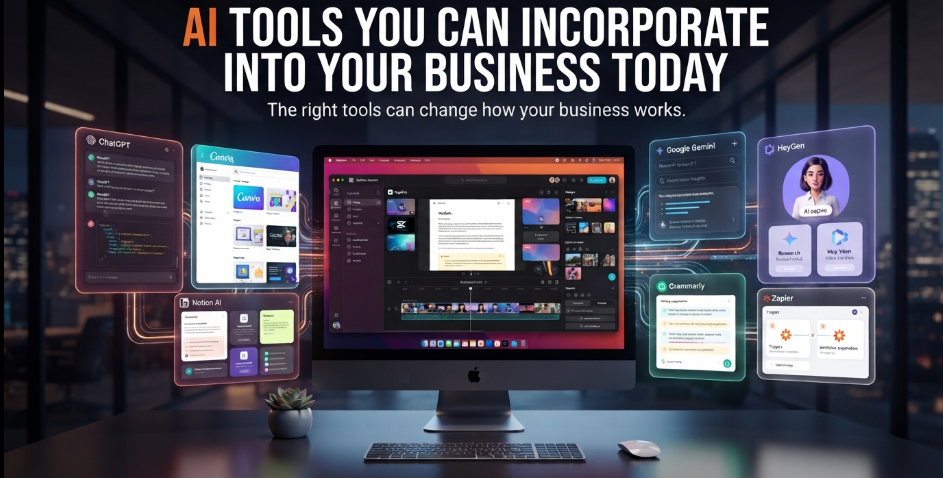
AI TOOLS YOU CAN INCORPORATE INTO YOUR BUSINESS TODAY
AI is no longer something businesses can only talk about as “the future.”
It is already helping businesses write, design, research, communicate with customers, create videos, organize information and automate repetitive tasks.
And the interesting part?
You don't necessarily need a huge company or a large technology budget to start using it.
Even a small business owner working from a phone can begin incorporating AI into everyday operations.
The real question is no longer:
“Should my business use AI?”
It is:
“Where can AI actually make my business better?”
Here are some practical places to start.
Running a business often means having to think about a hundred things at once.
What should you post today?
How should you respond to a customer?
How do you explain your product?
What should your next campaign look like?
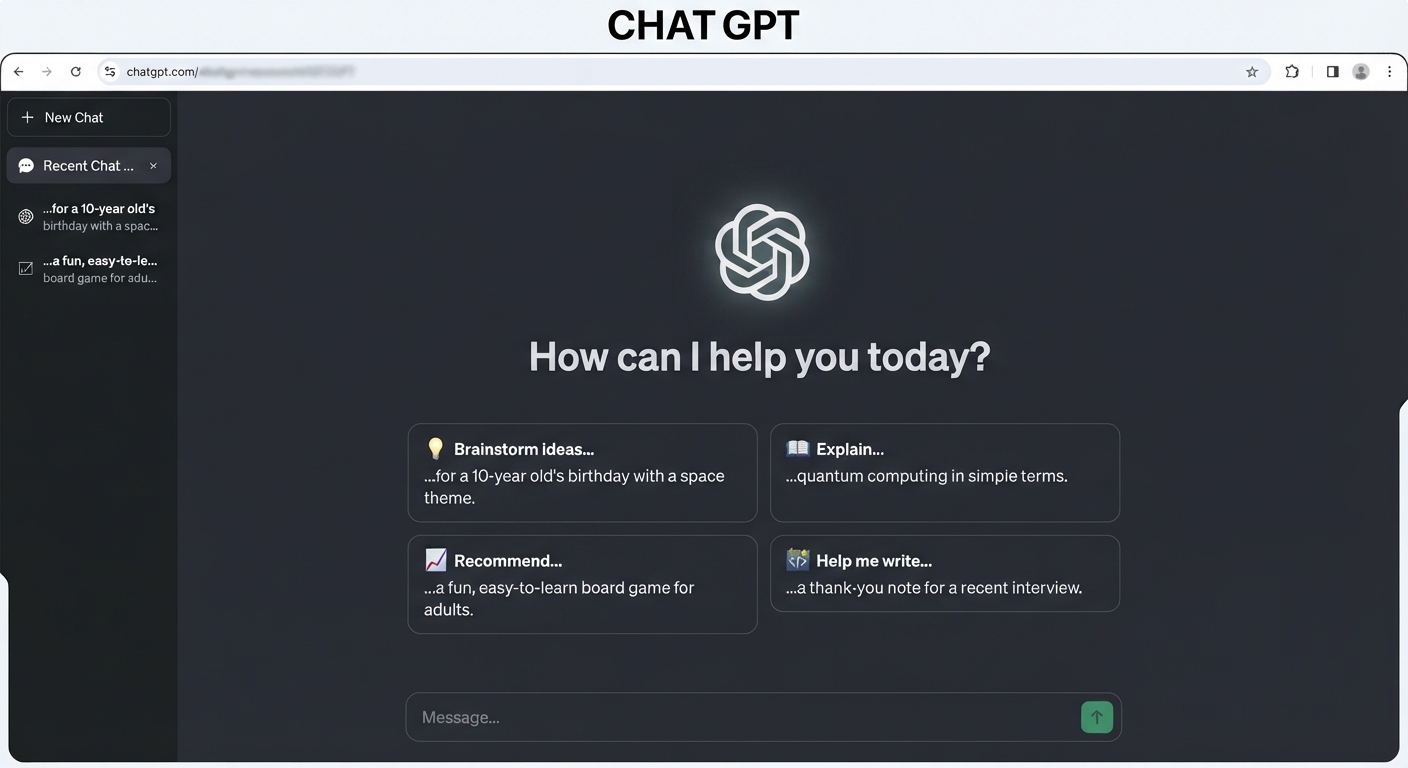
Tools such as ChatGPT can help businesses brainstorm ideas, draft content, summarize information, develop marketing concepts, create outlines and refine written communication.
For example, a business owner could provide information about a new product and ask AI to help create several social media captions, customer FAQs or ideas for a promotional campaign.
The important thing is not to simply copy whatever AI produces.
Use it as a thinking partner.
Your business knowledge, personality and human judgment should still shape the final result.
You don't have to be a professional graphic designer to understand that presentation matters.
Your social media posts, flyers, presentations and promotional materials are often part of the first impression people have of your business.
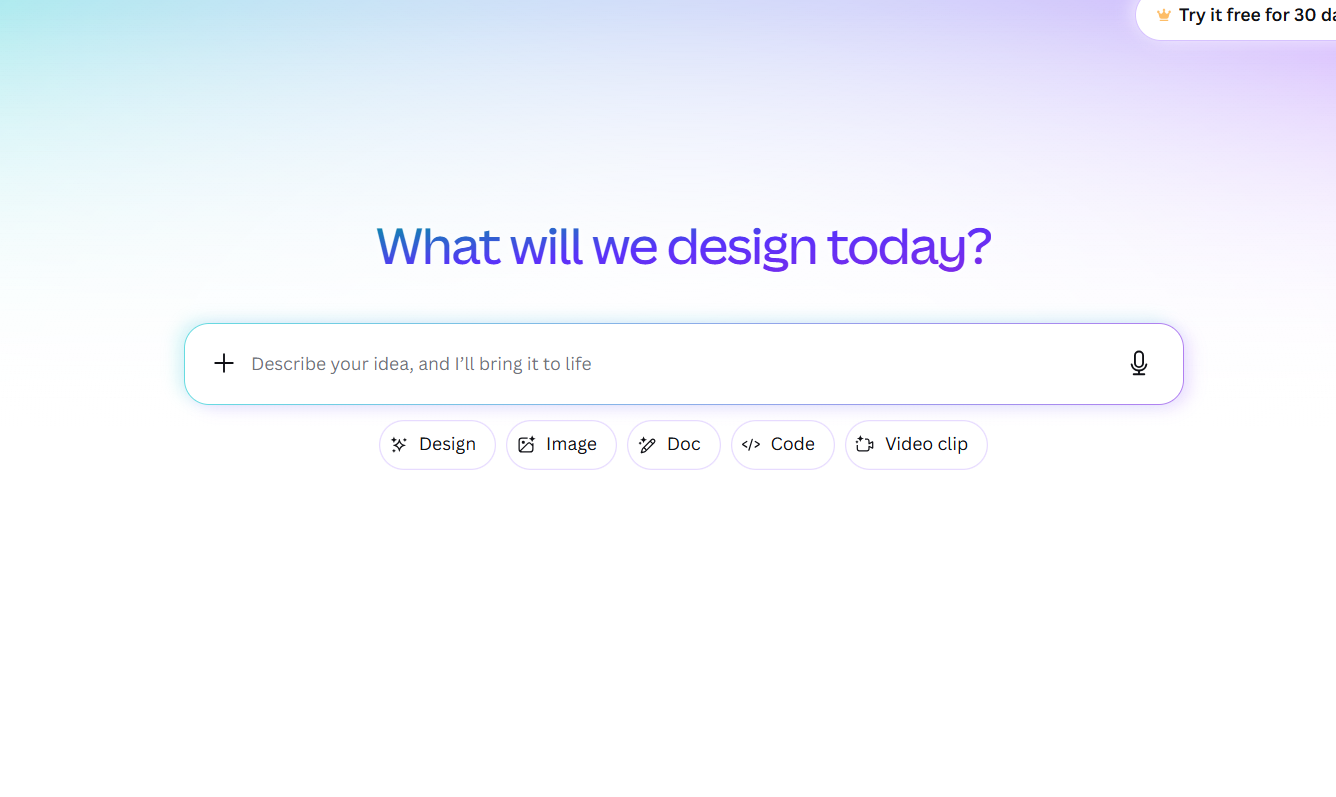
Canva's AI-powered features can help businesses generate design ideas, create presentations, edit images and develop marketing materials more efficiently.
A small business that previously needed hours to create a simple promotional design can use AI-assisted tools to get a starting point much faster.
That doesn't mean every design will automatically be perfect.
It means the distance between “I have an idea” and “I have something visual to work with” can become much shorter.
Video has become an important part of digital marketing.
But creating videos can take time.
Businesses have to think about scripts, editing, captions, music, transitions and formatting.
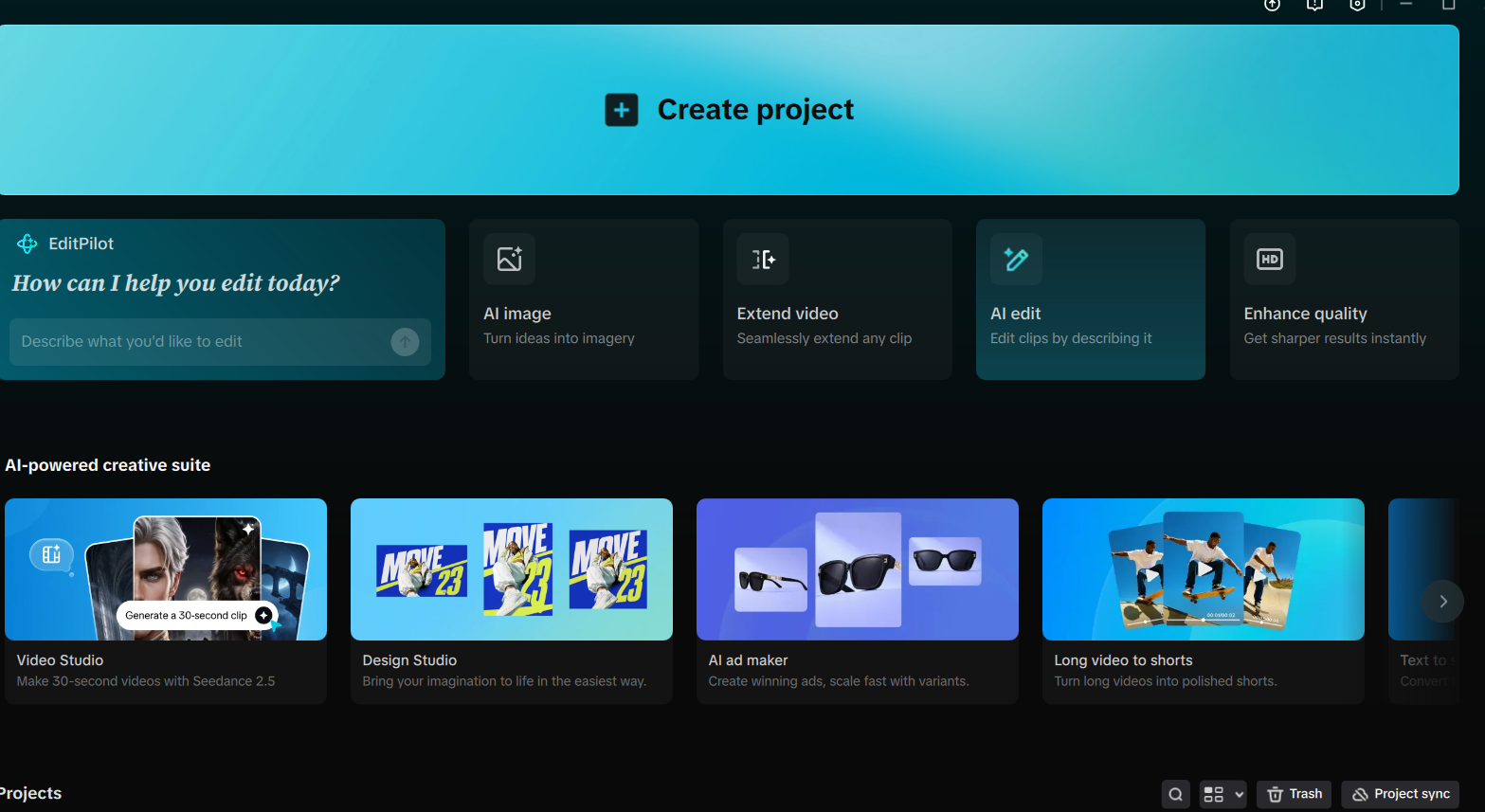
Tools such as CapCut can simplify parts of that process through features designed for editing and creating short-form content.
Imagine a restaurant promoting a new menu.
Instead of simply posting a picture, the business could turn photographs and short clips into a quick video showing the meal, adding text, captions and a call to action.
AI doesn't have to create the entire campaign.
Sometimes, it simply makes the production process easier.
Ideas are useful.
Organized ideas are even more useful.
Businesses generate meeting notes, plans, research, project details, content calendars and internal documents every day.
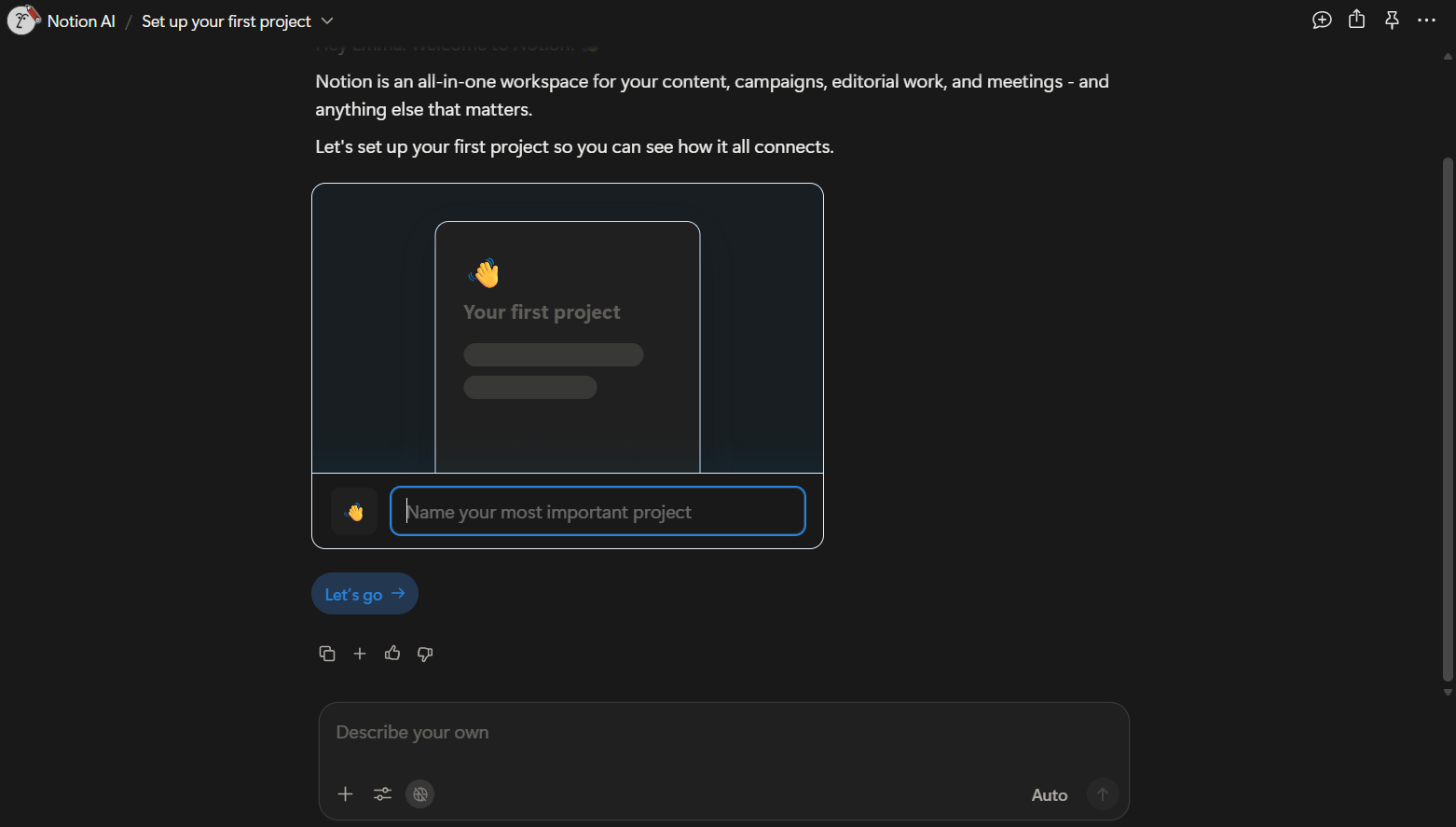
Notion AI can assist with organizing and working with information inside a workspace.
For example, a team could use an organized workspace to keep track of projects, meeting notes, content plans and tasks instead of having important information scattered across different conversations and documents.
The benefit isn't just having another AI tool.
It's having a better system for handling information.
Research is another area where AI can become a useful business assistant.
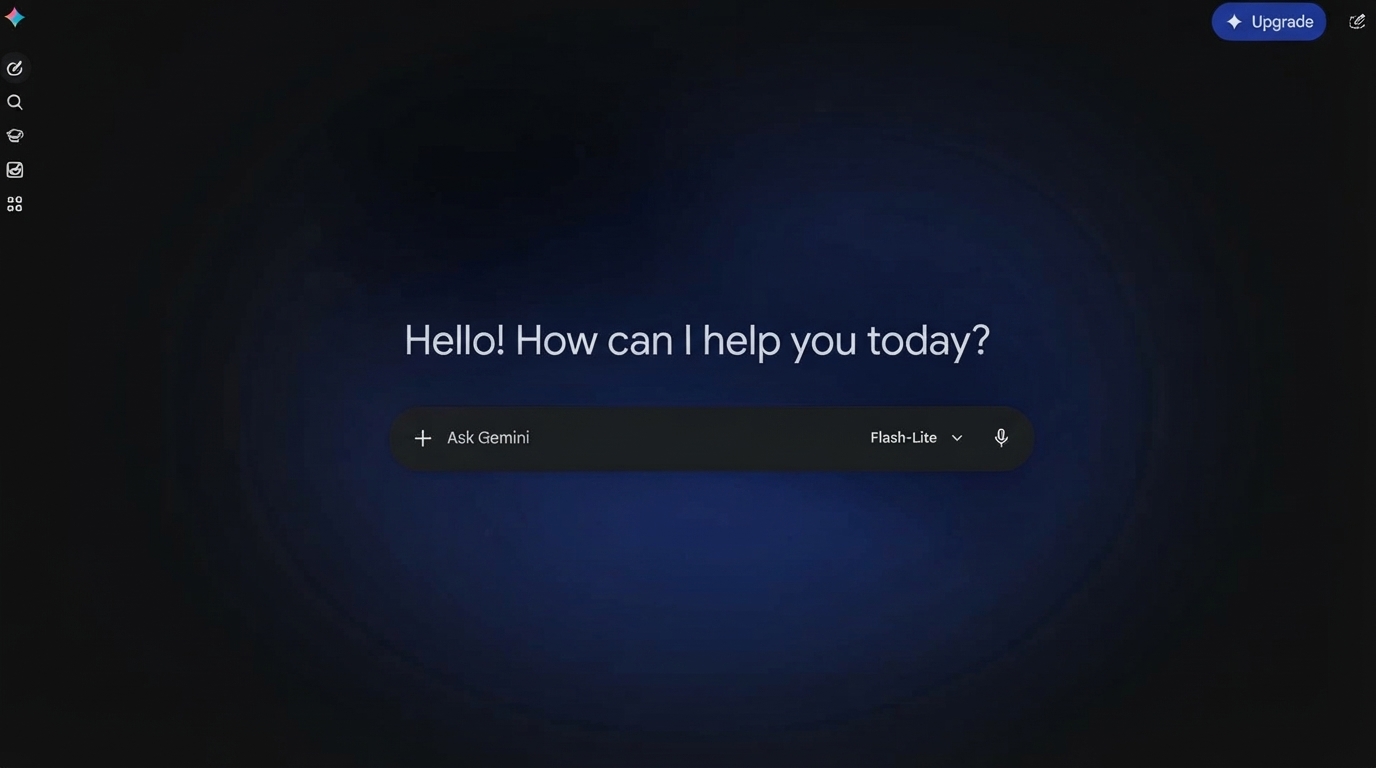
Google Gemini can help with tasks such as brainstorming, drafting, summarizing information and working through ideas.
A business owner researching a new market, preparing a presentation or trying to understand a complicated topic can use AI to get a starting point and identify areas that require deeper investigation.
But there is an important rule:
AI-generated information should still be checked.
AI can make mistakes, misunderstand context or provide outdated information.
For important business decisions, verify critical facts using reliable sources.
What if your business needs videos but you don't always have someone available to appear on camera?
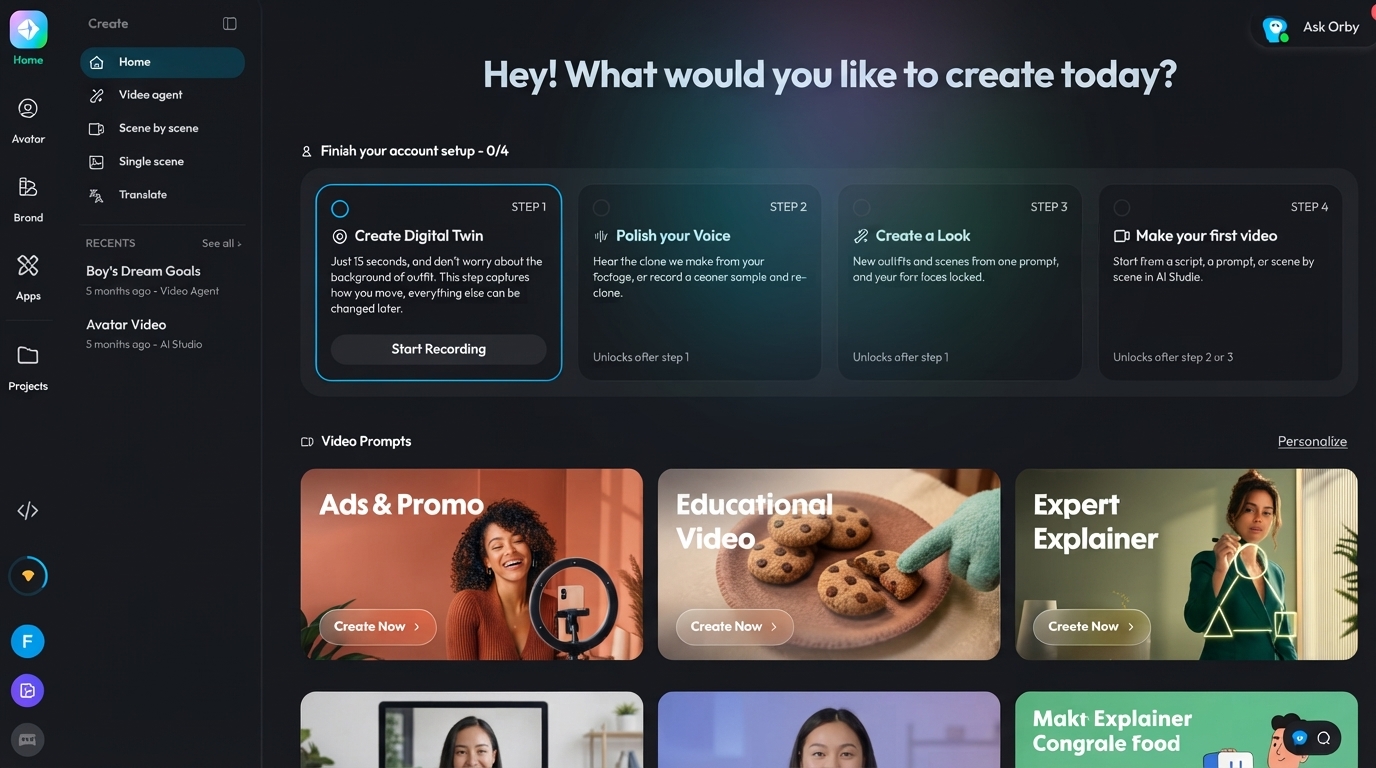
AI video platforms such as HeyGen can create presenter-style videos using digital avatars.
A company could use this approach for product explanations, internal training, announcements or simple educational content.
It can be particularly useful when a business needs to communicate information regularly without filming a new presenter for every single video.
But once again, the technology should serve the message.
A beautiful AI avatar cannot compensate for a confusing message.
A simple spelling or grammar mistake can change how professional a message feels.
Businesses communicate through emails, proposals, social media posts, advertisements, reports and customer messages.
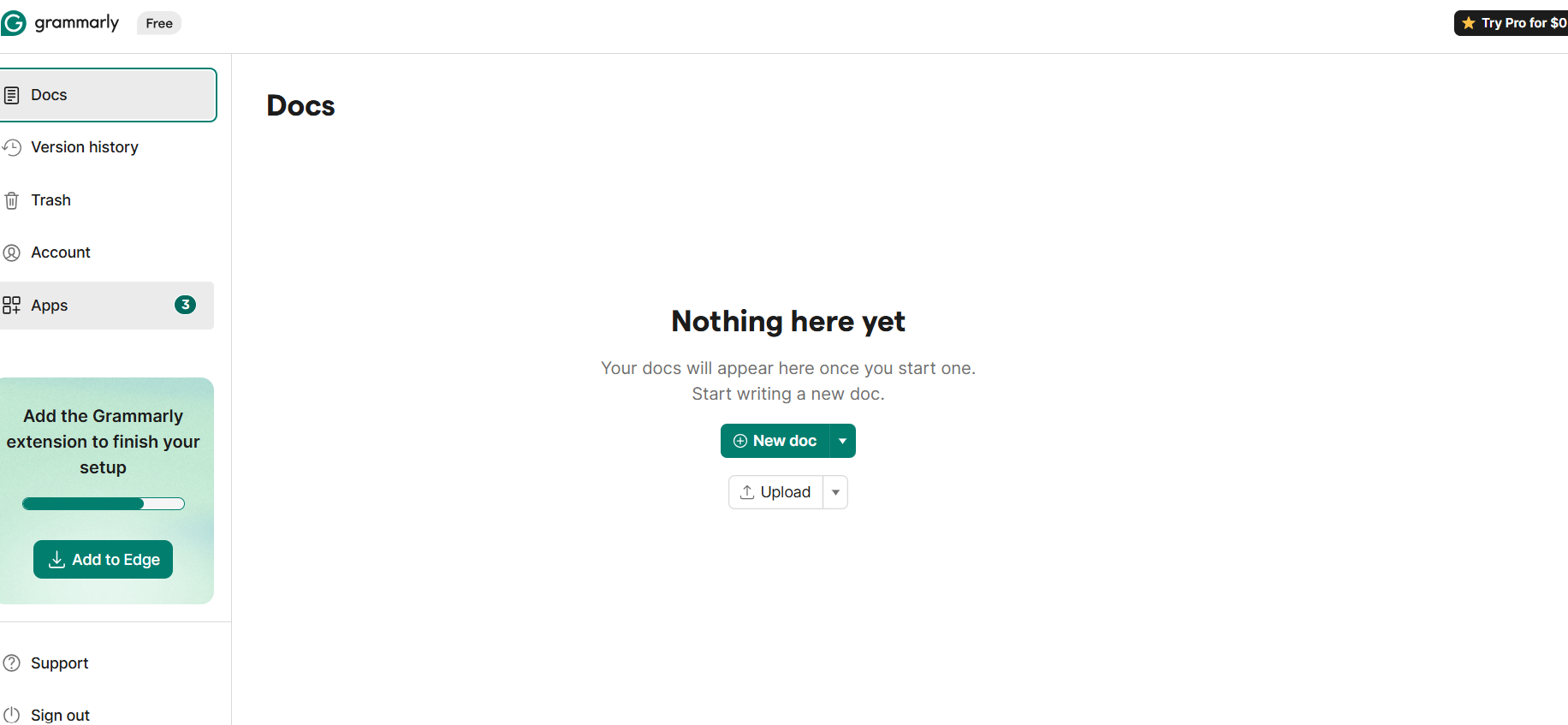
Grammarly can help users review and improve written communication.
It can be especially useful when a business needs to communicate clearly and consistently across different platforms.
Because sometimes, the idea is good.
The message just needs a little polishing.
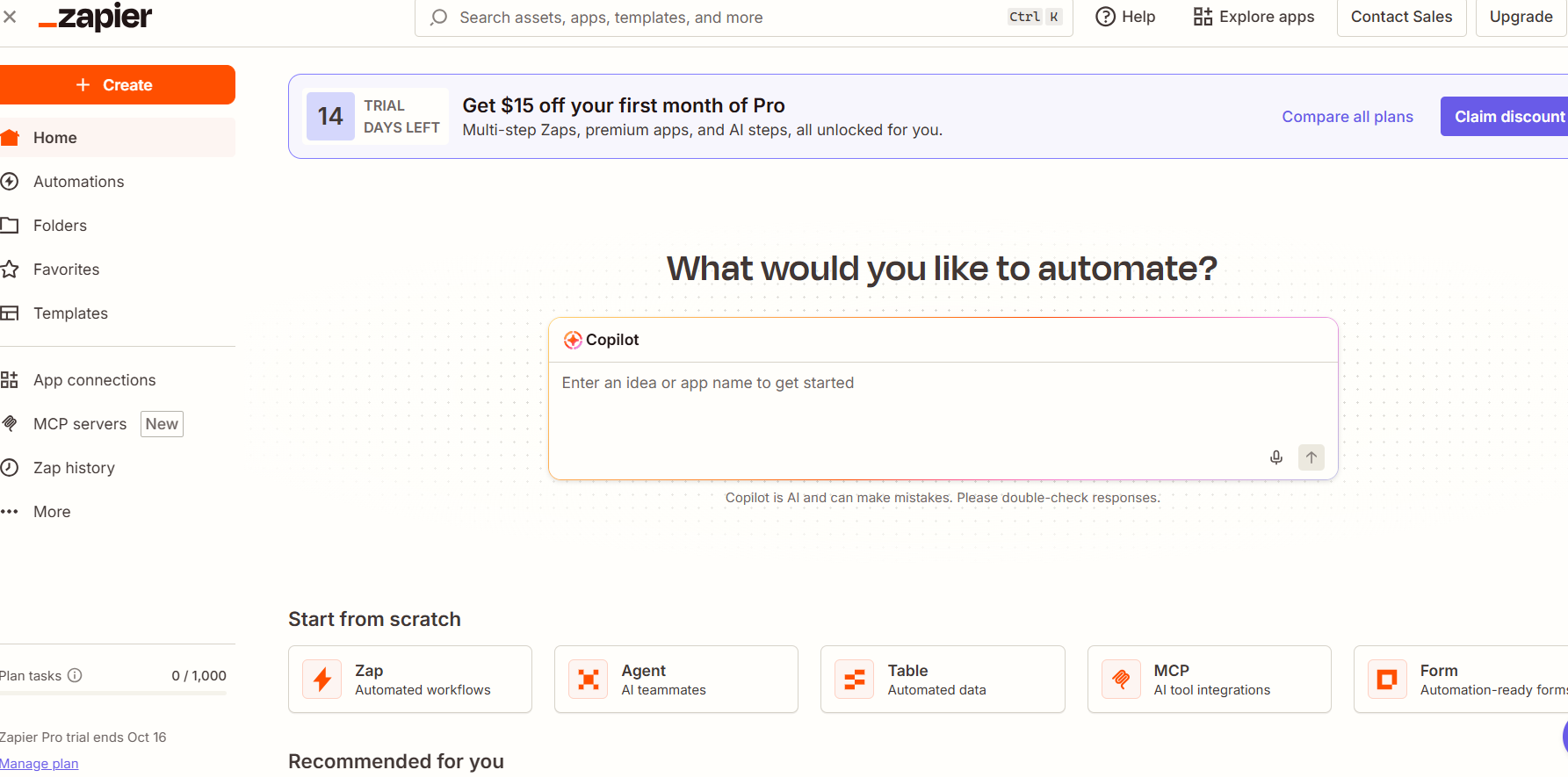
One of the biggest opportunities AI and automation offer businesses is reducing repetitive work.
Imagine receiving a customer enquiry, recording the information somewhere, notifying a team member and creating a follow-up task.
If these processes are repetitive and predictable, automation tools such as Zapier can connect different applications and help move information between them automatically.
That means employees can spend less time repeatedly doing administrative tasks and more time handling work that actually requires human attention.
The goal isn't simply to work faster.
It's to spend more time on the work that matters.
AI IS NOT THE BUSINESS. IT IS THE TOOL
There is a temptation to think that incorporating AI means suddenly turning your entire business into an AI-powered company.
It doesn't.
Sometimes the smartest use of AI is surprisingly simple.
A business might use it to generate five content ideas instead of staring at a blank screen.
Another might use it to organize meeting notes.
Another might use it to create a product video.
Another might use it to automate a repetitive administrative task.
The technology may be impressive, but the business still needs something AI cannot automatically provide:
a clear understanding of its customers.
AI can help you move faster.
It cannot decide what your customers genuinely need better than a business that actually listens to them.
So don't start by asking:
“What AI tool should I use?”
Start by asking:
“What is slowing my business down?”
Then look for the technology that can help solve that particular problem.
Because the businesses that benefit from AI may not necessarily be the ones using the most tools.
They may simply be the ones using the right tools for the right problems.
Comments (0)
No comments yet. Be the first to share your thoughts.