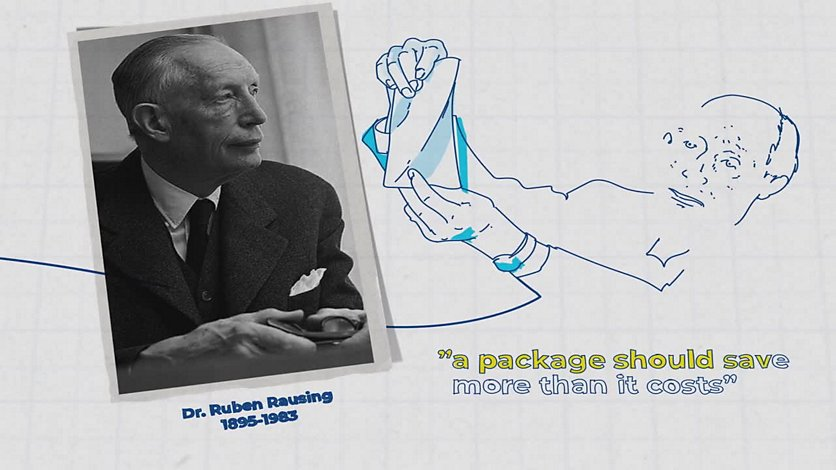
"Built to Endure: Tetra Pak, The Shape of Innovation" highlights the transformation of Tetra Pak from a small Swedish startup into a global giant that completely re-engineered how the world distributes food. Founded by Dr. Ruben Rausing, the company's legacy rests on a foundational belief: a package should save more than it costs.
Tetra Pak has been a frontrunner and a pacesetter in the packaging industries for nearly a century. it is a Swedish company headquartered in Switzerland. When faced with obstacles during the nearly 10 years it took to develop his product, his response to skepticism was always: "Keep on trying".
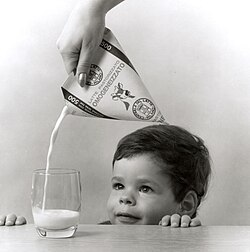
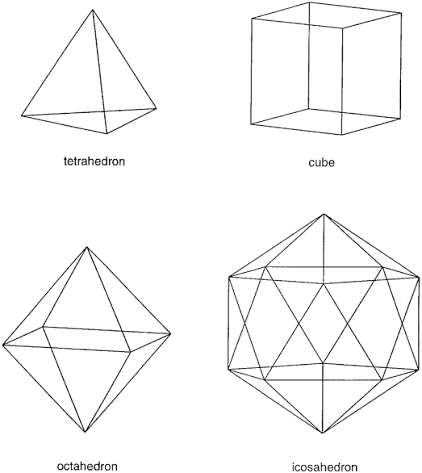
The tetrahedron package made Tetra Pak one of the world's most successful companies.
The earlier development of the Aseptic processing(sterilization), made Tetra Pak innovation acceptable.
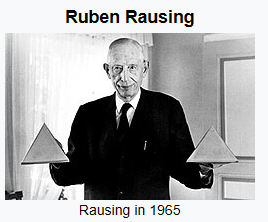
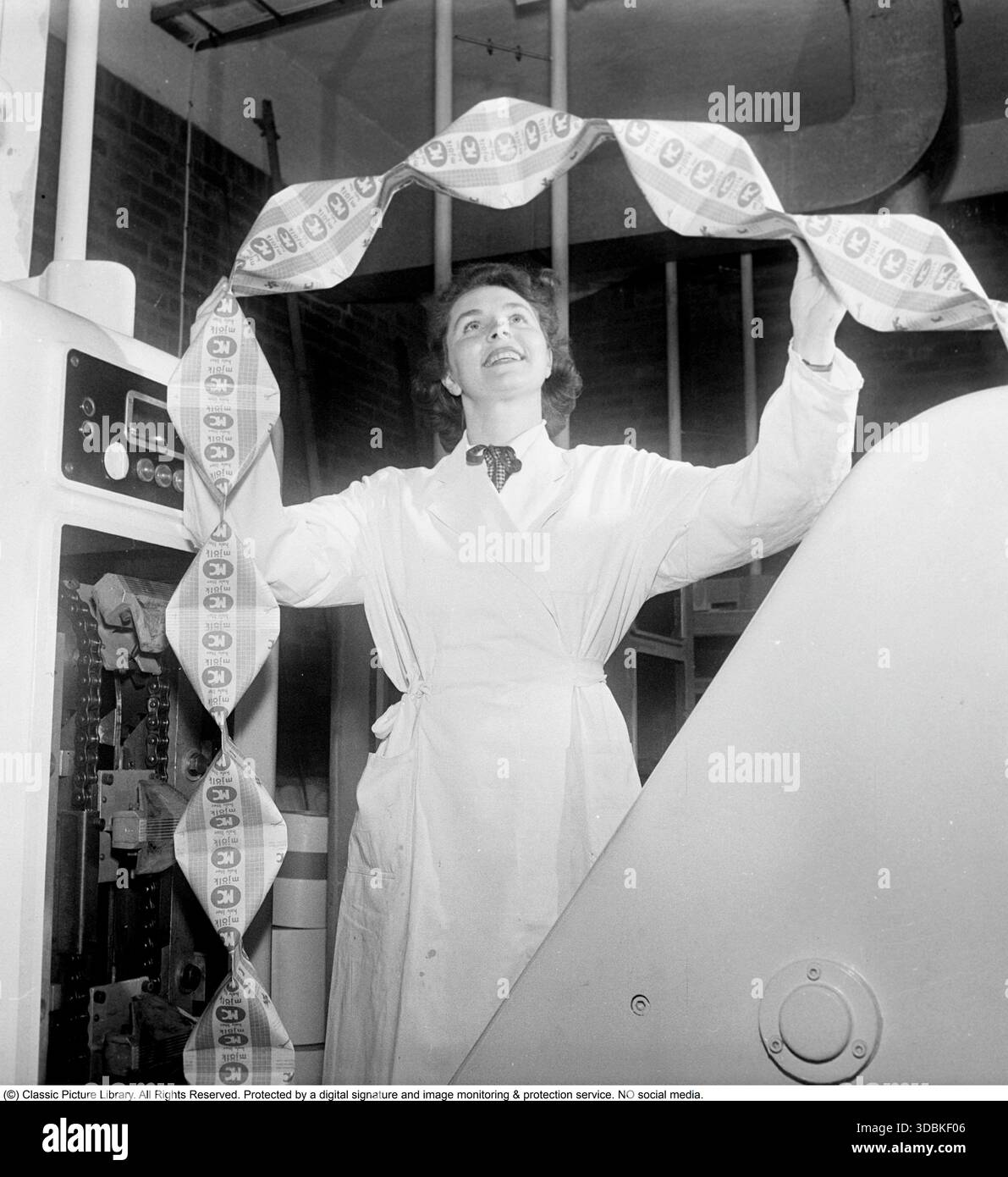
Ruben Rausing holding the First tetrahedron packaging in 1965 the idea and innovative tetrahedron package made Tetra Pakone of the leading food processing and packaging company in the world. Tetra Pak's leading innovative ideas focus on achieving a fully renewable, low-carbon circular economy through a paper-based barrier, plant-based materials, and smart recycling infrastructure.
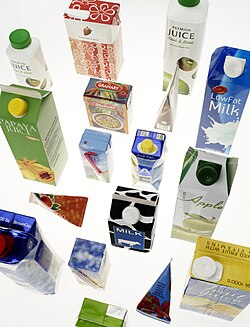
Tetra Pak is a multinational food processing and packaging company known for making aseptic paperboard cartons for items like milk, juice, and water. The packages use layers of paper, plastic, and aluminum to keep food safe without needing refrigeration or extra chemicals
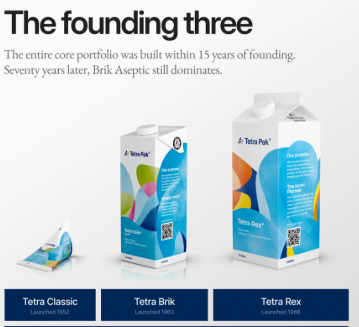
The Geometric Beginning (1951): Built upon an invention by Erik Wallenberg, the company launched its iconic tetrahedron-shaped plastic-coated paper carton. This radical shape used minimal material while offering maximum structural stability, giving the multinational corporation its name.
The Aseptic Revolution (1969): The arrival of the Tetra Brik® Aseptic package eliminated the need for a cold supply chain. By pairing specialized sterilization with high-barrier paperboard, it enabled the transport of fresh milk and juice to developing nations without refrigeration, forever changing global logistics.
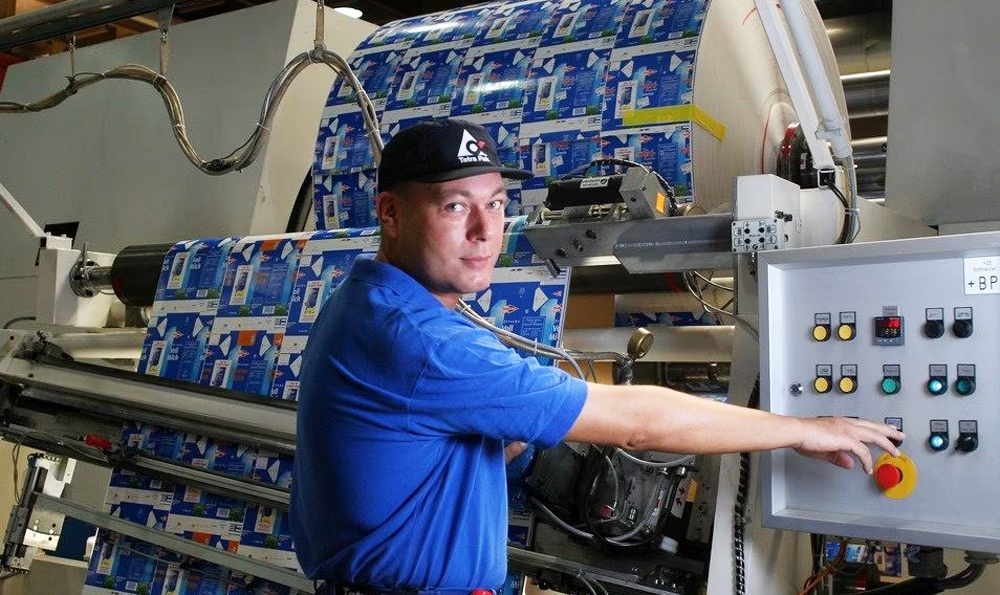
Material Evolution: To maintain a competitive edge, Tetra Pak shifted from simple paper coatings to advanced multi-layer designs combining polymers, aluminum foil, and paperboard.
Modern Shift: Sustainable Packaging
Today, the focus has pivoted toward engineering a low-carbon circular economy. The company is aggressively testing paper-based barriers to completely replace the inner aluminum foil layer, paving the way for 100% renewable, plant-based materials
Comments (0)
No comments yet. Be the first to share your thoughts.