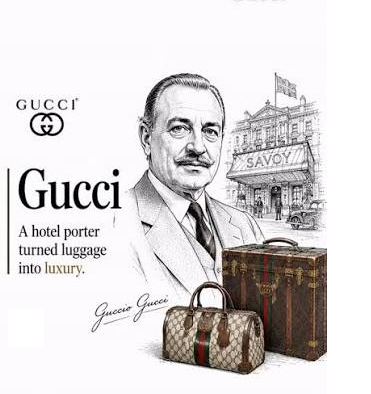
Guccio Gucci built his luxury empire on a foundation of fine Italian leather, establishing the House of Gucci in Florence in 1921. His obsession with material endurance and high-end craftsmanship was born out of his time working as a bellboy at The Savoy Hotel in London. There, he observed the sophisticated travel luggage of the international elite. Returning to Florence, he learned the trade at the luggage brand Franzi before opening his own workshop, specializing in high-quality leather goods, equestrian gear, and luxury suitcases
Guccio Gucci (1881–1953) built the Gucci leather business around the practical needs of travelers and the craftsmanship required to serve them reliably. After working in the hospitality industry in Paris, he returned to Italy and, in 1921, founded a workshop in Florence that produced leather goods designed for durability and daily use. The company’s early focus emphasized strong materials, careful stitching, and functional construction—qualities that mattered for luggage, belts, and travel accessories meant to withstand frequent handling. As demand grew, Gucci expanded beyond small workshop production while maintaining the same core approach to leatherwork: selecting hides for performance, using hardware and seams engineered for stress points, and refining patterns for consistent fit and longevity. This combination of hands-on manufacturing discipline and a clear understanding of how people actually used leather goods helped establish Gucci’s reputation for endurance, laying the foundation for the brand’s later global growth.
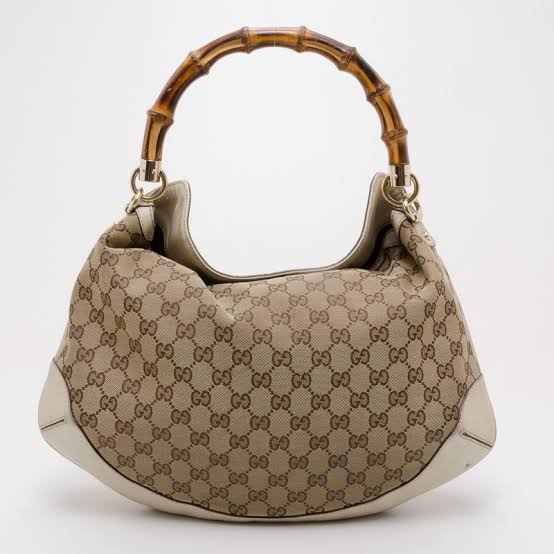
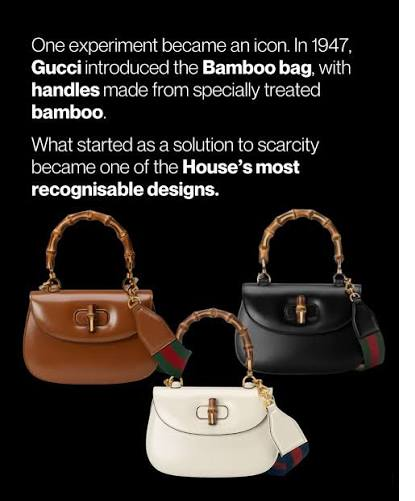
Gucci and the luxury bag Guccio Gucci famously operated on the philosophy that "quality endures long after the price is forgotten". By prioritizing meticulous craftsmanship—whether working with fine Tuscan leather, innovative hemp canvas, or burned bamboo—he ensured his name became synonymous with permanent luxury.

Comments (0)
No comments yet. Be the first to share your thoughts.