House of Dior, founded by Christian Dior in 1946 at 30 Avenue Montaigne in Paris, is one of the world's most enduring symbols of luxury, resilience, and artistic innovation. For nearly 80 years, the maison has successfully scaled haute couture from an elite Parisian art form into a global powerhouse by masterfully balancing its historical codes with modern reinvention.
Dior Gold House The formula that built this eternal icon rests on a powerful blend of historic milestones, structured architecture, and a lineage of legendary visionaries:
1. The Foundation of Resilience: "The New Look" (1947)
The brand was born out of the ashes of a war-weary Europe. On February 12, 1947, Christian Dior debuted his first collection, which American Harper's Bazaar editor Carmel Snow famously dubbed the “New Look.”
The Silhouette: Departing from the utilitarian, boxy, and masculine silhouettes of World War II, Dior introduced ultra-feminine lines featuring rounded, soft shoulders, tightly cinched "wasp" waists, and dramatic, voluminous calf-length skirts.
The Bar Suit: The most definitive emblem of this era was the Bar Suit, an architectural masterpiece of tailoring that required over 13 yards of fabric for a single ensemble. It reimagined women as walking flowers and restored Paris as the epicenter of global fashion.
2. The Architectural Strategy of Scaling Luxury
Luxury wasn’t invented by Dior, but scaling luxury globally was. Christian Dior understood that a creative house needs structural commercial pillars to endure:
The Product Pyramid: Very early on, Dior paired his high-end haute couture with more accessible tiers of luxury. In the exact same year as his debut fashion show, he launched Miss Dior (named after his sister Catherine), pioneering a parallel luxury model where prestige fashion and profitable fragrances fed into each other.
Global Licensing: By 1952, Dior had built an international network, becoming the first couture house to implement widespread licensing agreements across 27 countries for accessories, hosiery, and neckties, establishing a global footprint.
3. A Legacy Built of Many Voices
Christian Dior passed away unexpectedly in 1957, having helmed his house for only a decade. What makes the House of Dior truly built to endure is how its distinct, core identity has survived through the vastly different creative directors who followed:
4. Preserving the Savoir-Faire
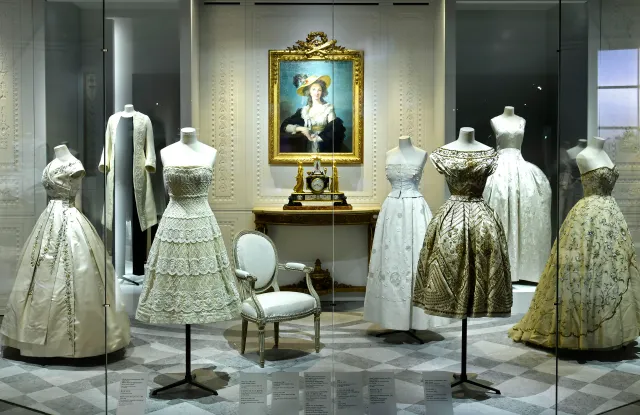
At the heart of Dior's endurance is its Atelier—the physical workshops where artisan craftsmen hand-pleat fabrics and construct clothing. As celebrated in international museum retrospectives like Designer of Dreams and the House of Craft exhibition, a single haute couture dress can take up to three months of meticulous hand-labor. It is this uncompromising dedication to human craftsmanship that cements Dior's timeless value in an era of fast, disposable fashion.
To build an empire that could survive economic fluctuations, Dior engineered what is now known as the luxury pyramid model:
The Apex (Haute Couture): Kept highly exclusive and crafted with meticulous savoir-faire by select artisans in the Paris ateliers to generate ultimate brand prestige and mystique.
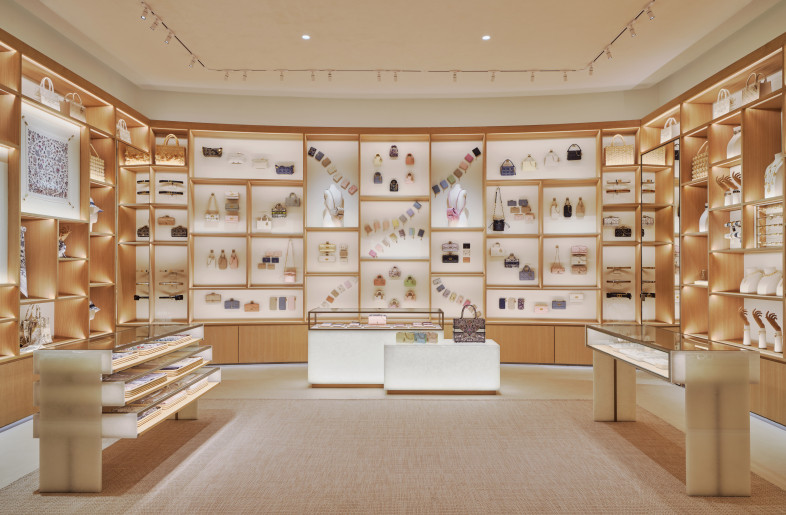
The Middle (Leather Goods): High-margin products—such as the timeless Lady Dior bag—created a massive engine for continuous profit.
The Base (Beauty & Fragrances): Accessible luxury accessible to millions, scaling the brand globally while preserving the elite dream of the couture house.

Comments (0)
No comments yet. Be the first to share your thoughts.