"Built to Endure"is a phrase that deeply resonates with systems thinking, as it describes the ultimate goal of designing complex systems: sustainability, resilience, and adaptability.
In systems thinking, an organization, product, or ecosystem is not judged merely by its short-term success, but by its ability to survive shocks, evolve, and persist over time.
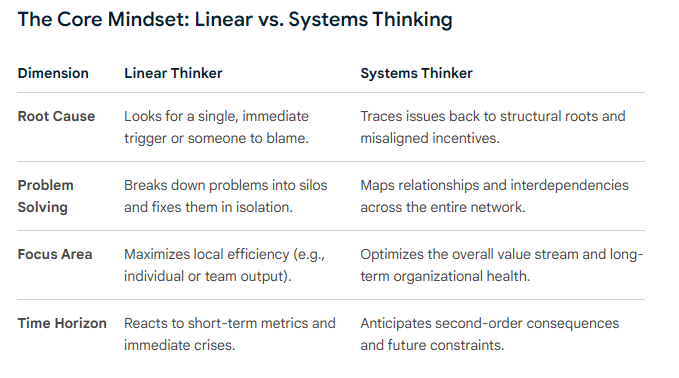
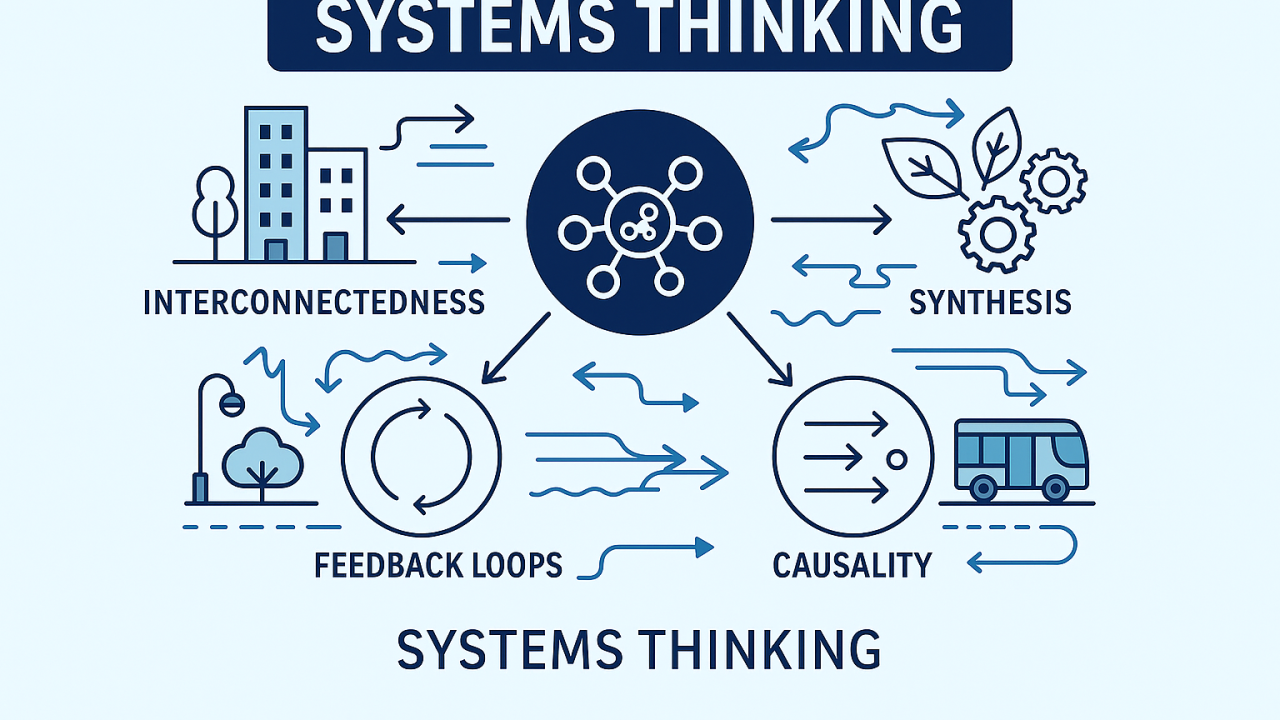
A systems thinker is an individual who views problems, organizations, and the world not as a collection of isolated parts, but as a web of interconnected elements. Instead of reacting to immediate symptoms with quick, linear fixes, they focus on understanding the underlying structures, feedback loops, and long-term behaviors of the entire ecosystem to build solutions that genuinely endure.
"Built to Endure" is a foundational concept in systems thinking that focuses on creating organizations capable of surviving, adapting, and thriving over generations. Instead of viewing a company as a machine with replaceable parts designed for short-term profit, a systems thinker views an organization as a living organism embedded within a larger ecosystem.
Here is how a systems thinker approaches the concept of building things that endure:
1. From Linear to Circular Thinking
The Old Way: Take, make, waste. This linear approach inevitable collapses when resources run out or waste overwhelms the system.
The Enduring Way: Feedback loops. Systems thinkers design closed-loop systems where outputs become inputs, ensuring long-term resource availability.
2. Prioritizing Resilience Over Efficiency
The Trap: Maximizing short-term efficiency often eliminates "slack" or redundancy to cut costs. This makes the system fragile to unexpected disruptions.
The Enduring Way: Building in dynamic buffers, diversity, and redundancies. An enduring system can absorb a shock (like a supply chain failure or economic downturn) without collapsing. 3. Understanding Leverage Points
The Trap: Fixing symptoms with quick patches (e.g., changing a single policy or replacing one person).
The Enduring Way: Finding the leverage points—places within a complex system where a small shift in one thing can produce big, lasting changes in everything else. This usually involves shifting the mindset, goals, or structural rules of the system.
4. Managing Long-Term Delay
The Trap: Expecting immediate results. In complex systems, there is often a significant time lag between an action and its consequence.
The Enduring Way: Anticipating delays. Systems thinkers design with the future in mind, knowing that the choices made today might take years to fully manifest.
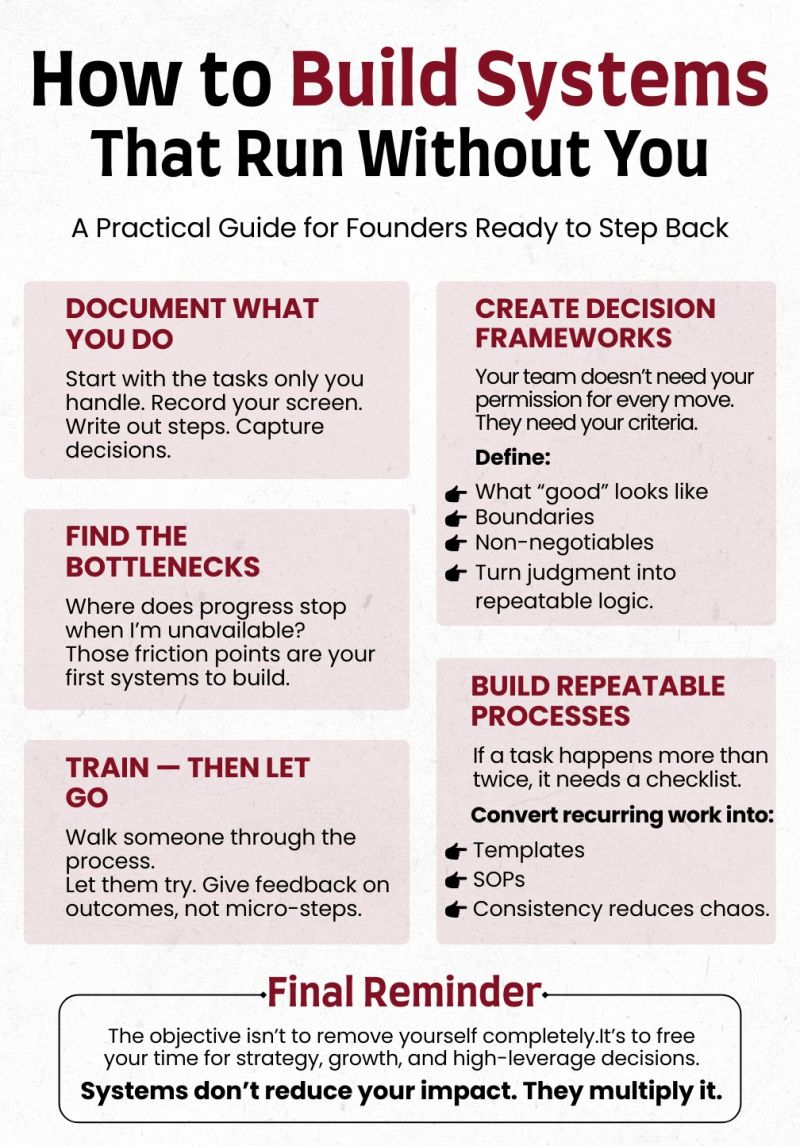
Process flow In leadership and business operations, shifting from "in-the-system" firefighting to "on-the-system" design is what separates short-term wins from resilient, scalable organizations.
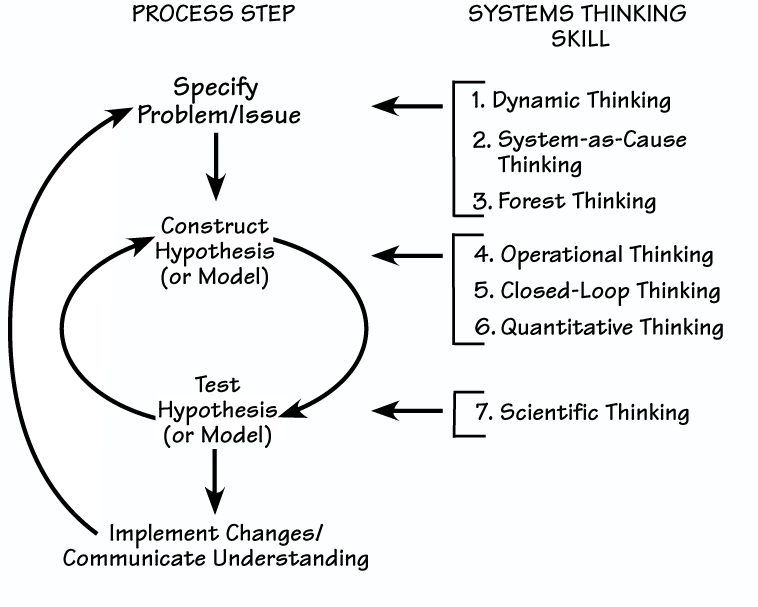
To move beyond abstract theory into practical execution, strategic operators rely on a structured approach to analyze systems:
Map the Workflow: Chart the explicit stages, processes, and invisible handoffs connecting your elements. This visualizes the entire path of value creation rather than independent tasks.
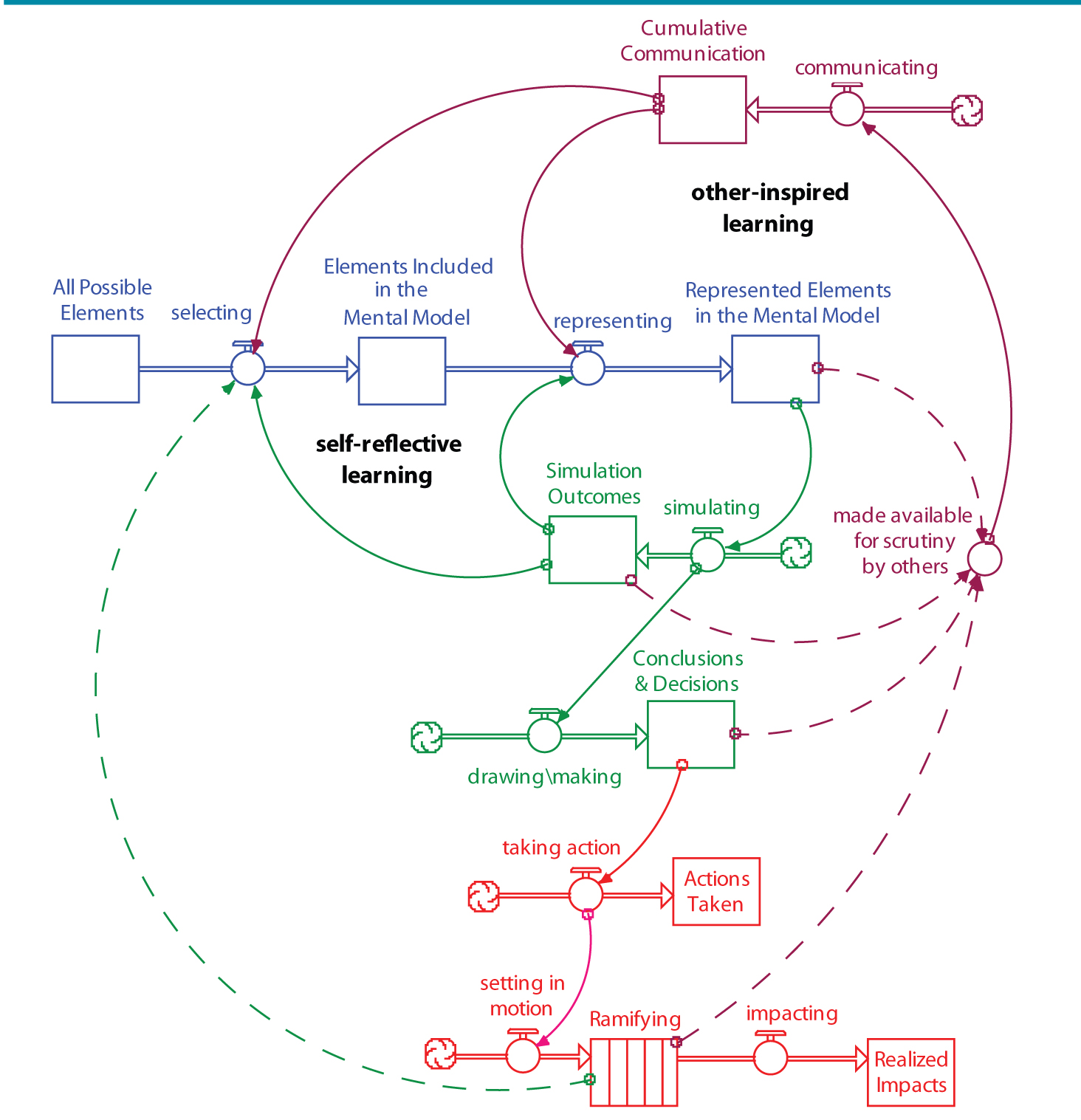
Identify Stocks and Flows: Isolate the accumulations (stocks) and the rate of throughput (flows). For example, in a product pipeline, the backlog is a stock, and moving features toward launch is the flow. This reveals whether your real bottleneck is capacity or upstream clarity.
Find the Leverage Points: Look for places where a small change yields a massive, compounding impact. Systems thinkers know that adding more staff to a broken process creates chaos; sharpening the input requirements upstream fixes the flow.
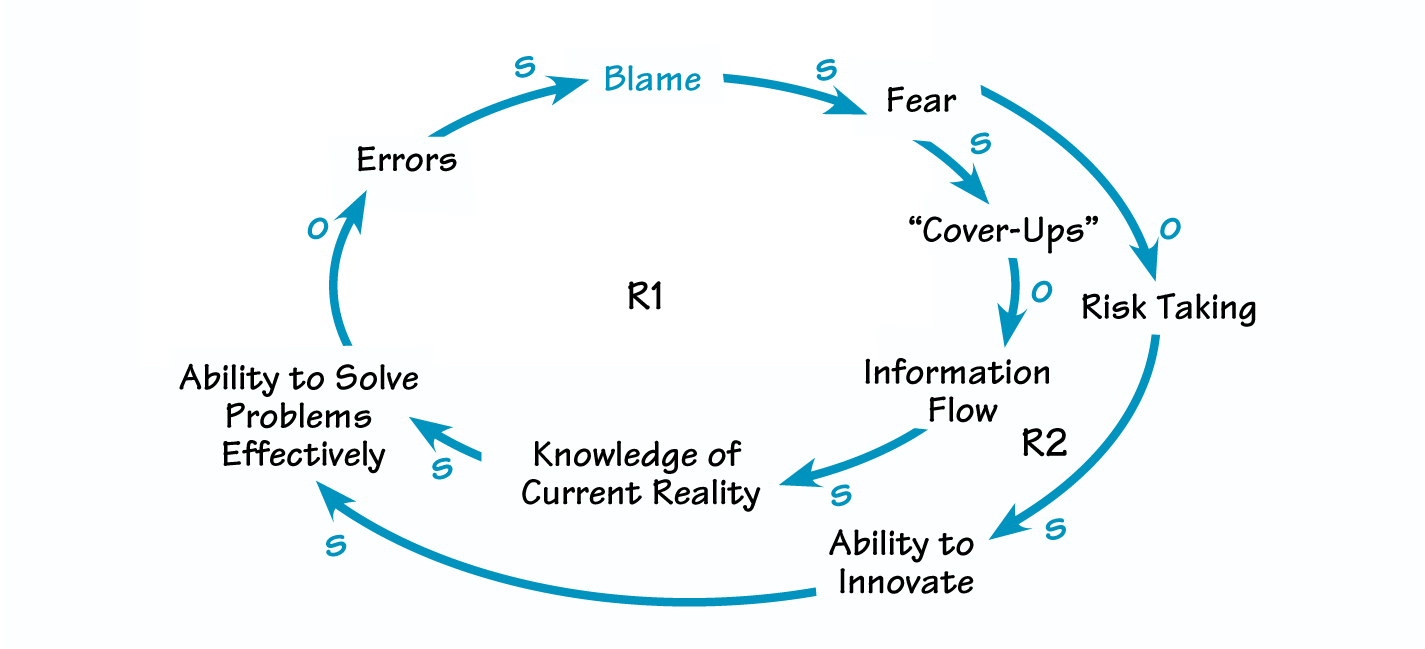
Decode the Feedback Loops: Recognize how actions escalate or stabilize over time. Unrealistic deadlines might speed up work this week, but they create a feedback loop of technical debt, burnout, and lower velocity next month.
Anticipate Second-Order Consequences: Always ask: "And then what?" A solution that fixes today's symptom (like pausing all maintenance to build a flashy feature) might trigger severe long-term liabilities (like systemic product failure or customer churn)
An organization cannot endure if it stands still. It must balance exploiting current strengths with exploring future opportunities.
Continuous Sensing: Establish open loops with the external environment to constantly scan for regulatory shifts, technological breakthroughs, and changing consumer behaviors.
Rapid Experimentation: Create low-stakes environments where teams can test hypotheses, fail quickly, and feed those lessons back into the main corporate body.
Double-Loop Learning: Don't just ask, "Are we doing this right?" (single-loop). Frequently ask, "Are we doing the right thing, and are our underlying assumptions still valid?" (double-loop).
Comments (0)
No comments yet. Be the first to share your thoughts.
Comments (0)
No comments yet. Be the first to share your thoughts.