Timberland boots are famous for rugged design, premium full-grain leather, and long-lasting durability.
"Built to Endure" perfectly captures the legacy of the Timberland brand, representing both its cultural footprint and its specialized heavy-duty industrial footwear. Originally created in 1973 for the working class, the iconic yellow boot was engineered to survive brutal winters, muddy terrain, and gritty job sites. Decades later, that same ethos of "built to last" spans across their timeless lifestyle collections and their specialized professional line.
The history of Timberland boots begins with a penniless Jewish immigrant stitching leather in a New York shoe shop for pennies a day, and it becomes one of the wildest bootstrapped success stories in American business. This is the true story of Nathan Swartz, a shoemaker's son from Odessa who fled violence in the Russian Empire, spent thirty-four years as an anonymous apprentice, and finally bought into a tiny Massachusetts shoe company at almost fifty years old. What happened next changed footwear forever: a waterproof breakthrough built with Goodyear rubber,
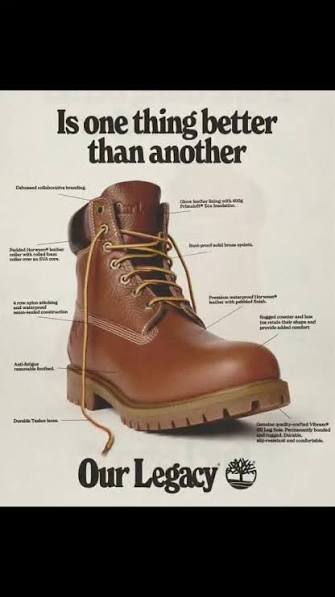
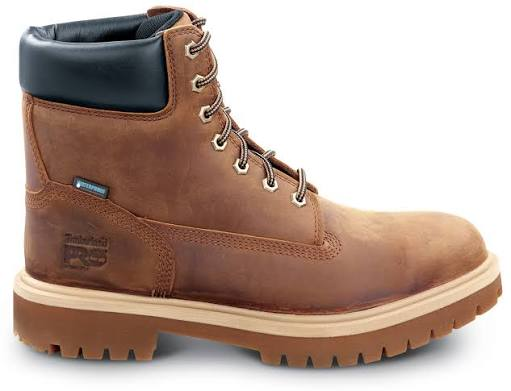
Waterproof Leather: Premium sealed seams and internal waterproof membranes keep feet dry in harsh weather.
Anti-Fatigue Technology: Built-in geometric comfort cones or polyurethane footbeds absorb shock and return energy for all-day wear.
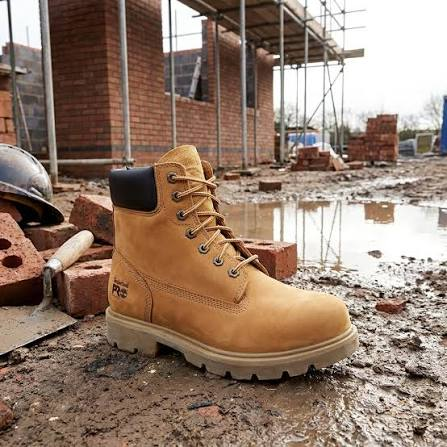
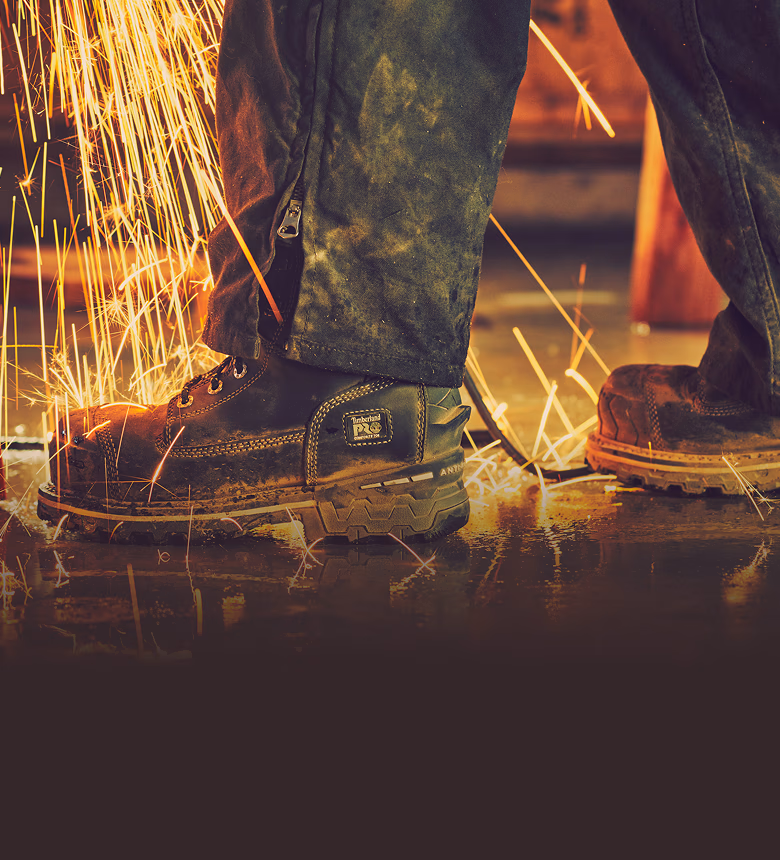
Heavy-Duty Outsoles: Slip-, oil-, and heat-resistant rubber lugs provide steady traction on demanding job sites.
Safety Toes: Heavy-duty steel, composite, or alloy toes protect against impact in industrial settings.
Built for endurance This perfectly captures the ultimate American dream story behind The Timberland Company, which began not in a corporate boardroom, but at a modest workbench.
The Ultimate Bootstrapping Story
Long before the iconic "Yellow Boot" became a global streetwear and outdoor staple, the company’s founder, Nathan Swartz, began his career in 1918 as a penniless apprentice stitcher in Boston, Massachusetts. Born into a family of shoemakers in Odesa, Ukraine, Swartz spent over three decades working at the bench, mastering the craft of hand-stitching footwear while meticulously saving his earnings.
His patience and financial discipline paid off over several decades:
1952: Having saved enough of his wages, Swartz bought a 50% stake in the Abington Shoe Company in South Boston, a firm that primarily created private-label footwear for other brands.
1955: Just three years later, he bought the remaining interest in the company for $20,000, successfully transitioning from a humble stitcher to the sole owner. He then brought his sons, Herman and Sidney, into the family business. Timberland
Stitching to Innovation
Ironically, the stitcher’s greatest breakthrough came from finding a way to eliminate stitching altogether. In 1965, the Swartz family introduced injection-molding technology to the footwear industry. By chemically fusing the rubber soles directly to the leather uppers without using traditional needle and thread, they created a bond that kept water completely out.
This technology paved the way for the 1973 launch of the original waterproof leather boot, branded as the "Timberland". The boot exploded in popularity among New England construction workers, and later, global fashion and hip-hop cultures. The response was so massive that the Abington Shoe Company officially changed its corporate name to The Timberland Company in 1978, securing Nathan Swartz’s legacy as an enduring symbol of American entrepreneurship.
Born into a poor Jewish family of shoemakers in Odesa, Ukraine, Nathan Swartz immigrated to the United States just before the First World War. Settling in New England, he followed the family trade, starting his American career in 1918 as an apprentice shoe stitcher in a Boston shoe repair shop.
For over three decades, Swartz cut leather, pulled threads, and operated heavy machinery, mastering every microscopic phase of the shoemaking process. He worked with a meticulous, old-world focus, practicing an extreme level of personal frugality. In an industry where laborers were frequently exploited or trapped in a cycle of weekly wages, Swartz quietly hoarded his savings for 34 years.
His moment arrived in 1952. Using his hard-earned cash, Swartz purchased a 50% stake in the Abington Shoe Company, a small contract manufacturer based in South Boston that primary produced cheap private-label footwear for other brands. He was no longer just operating the machines; he finally had a hand on the steering wheel.
Comments (0)
No comments yet. Be the first to share your thoughts.
Comments (0)
No comments yet. Be the first to share your thoughts.