Grains and cash cropsform a major commercial farming business. Grains like wheat, rice, and corn feed the world, while cash crops like cotton, coffee, and sugarcane are grown strictly to sell for high profit in local and global markets.
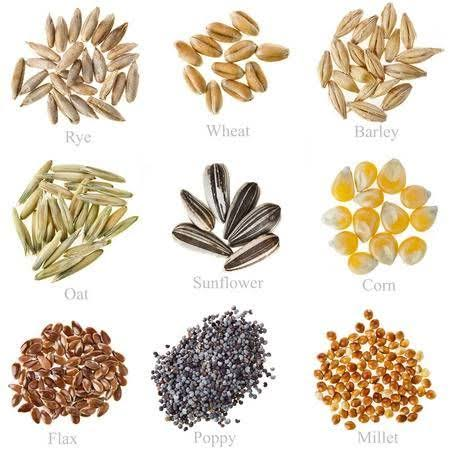
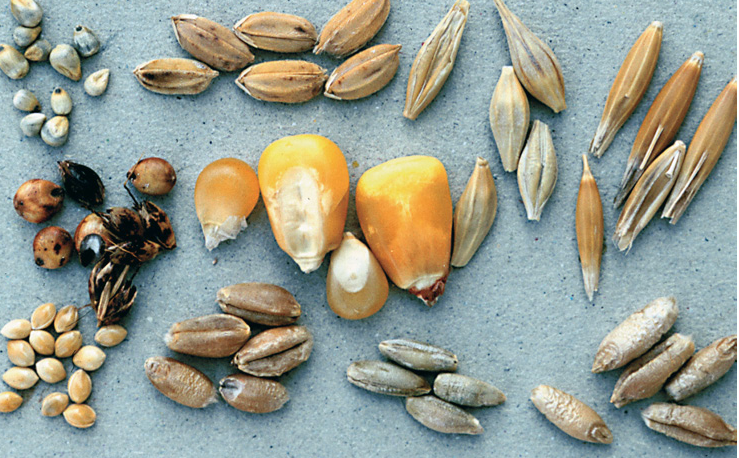
Grains and cash cropsare major components of many agricultural economies, typically grown in regions with suitable rainfall or irrigation, fertile soils, and access to storage and transport. Common grain crops include wheat, rice, maize (corn), barley, oats, and sorghum, which are cultivated for staple food supply and feed demand; their production is influenced by planting windows, seed quality, fertilizer and pest management, and post-harvest handling to prevent losses from moisture, insects, and mold. Cash crops—such as cotton, soybeans, sugarcane, tobacco, coffee, cocoa, and oilseeds—are grown primarily for sale to domestic processors or export markets, making farm income more sensitive to global commodity prices, contract terms, and quality specifications. Production systems often combine rainfed and irrigated areas, with irrigation expanding yields and stability where water is available, while rainfed systems depend more heavily on seasonal weather variability. Yields and profitability are shaped by input costs (seed, fertilizer, labor, chemicals), infrastructure (roads, grain elevators, mills, warehouses), and services (extension support, credit, crop insurance). Overall, grains support food security and feed industries, while cash crops provide revenue and foreign exchange, but both require reliable logistics, consistent quality control, and risk management to sustain production.
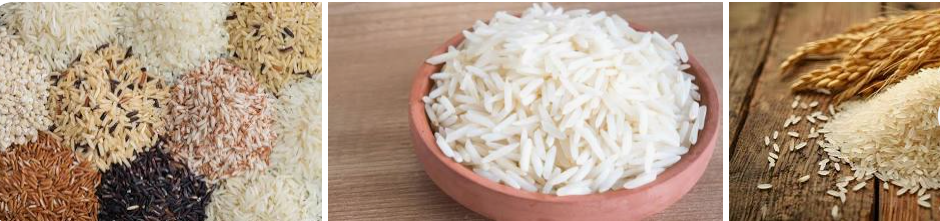
Rice : A rice grain business involves growing, milling, packaging, or trading staple rice products. Because rice is a daily necessity, demand stays steady year-round. Success depends on high-volume consistency, smart sourcing, and managing profit margins across the supply chain Grain Size Categories
Long-grain: Slim and long; stays separate and fluffy after cooking (e.g., Jasmine, Basmati).
Medium-grain: Shorter and wider; moist and tender with a slight cling (e.g., Arborio).
Short-grain: Plump and nearly round; sticks together tightly when cooked (e.g., Sushi rice). various rice grains Core Business Models for Rice grain
Retail and Wholesale Trading: Buying bulk sacks of rice from distributors or mills and selling smaller portions to local grocery shops, restaurants, or households.
Rice Milling and Processing: Purchasing raw paddy (rough rice) from farms, then using cleaning, dehusking, polishing, and grading machines to produce consumer-ready white or brown rice.
Specialty and Organic Packaging: Sourcing specialty grains (like jasmine, basmati, or organic variants) and packing them under a custom private label for higher profit margins.
Byproducts Utilization: Monetizing milling waste like rice bran (for oil and feed) and husks (for biomass fuel or ash
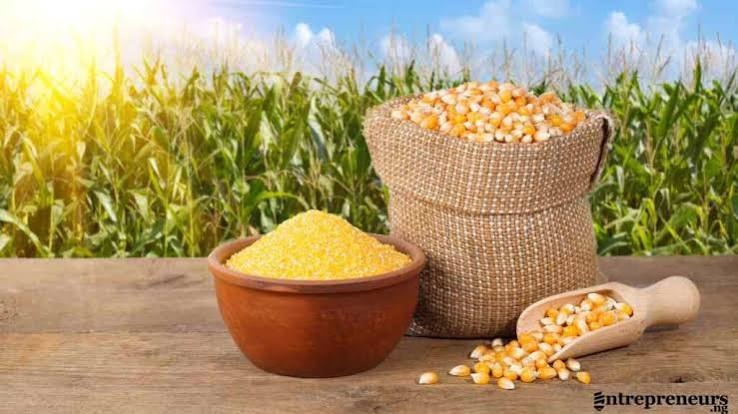
Maize : A maize business involves growing, processing, or trading corn. Key paths include Maize Farming Business Plan Overview for cultivation, or Maize Meal Production Business Plan for value-added processing and milling. Success requires choosing the right operational model, managing input costs, and securing stable buyers.
Core Business Models for Maize
Maize Farming: Growing green or dry grain corn for local markets, bulk traders, or animal feed producers.
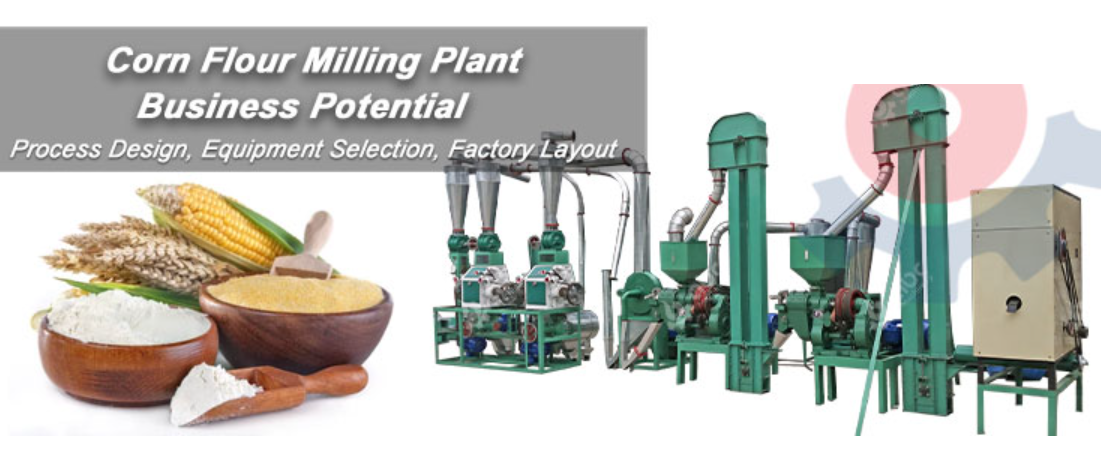
Maize Milling: Processing raw grain into flour, meal, or grits to capture higher profit margins.
Aggregating and Trading: Buying bulk harvest from small farms to supply regional processing plants or export channels.
Value-Added Products: Creating animal feed, starch, oil, or packaged snacks from maize by-products
Millets : Millets are a group of small-seeded grasses grown as grain crops. Major types include pearl, finger (ragi), foxtail, and proso millet. They are rich in fiber, protein, and minerals, gluten-free, and highly drought-resistant, making them a sustainable staple food in Asia and Africa Bailey Profitable Millet Business Models for Millets
Millet Processing & Grading: Cleaning, de-hulling, sorting, and packaging raw grains to supply wholesale markets or food brands.
Flour & Multigrain Atta: Grinding single-grain or blended flours targeted at health-conscious home cooks.
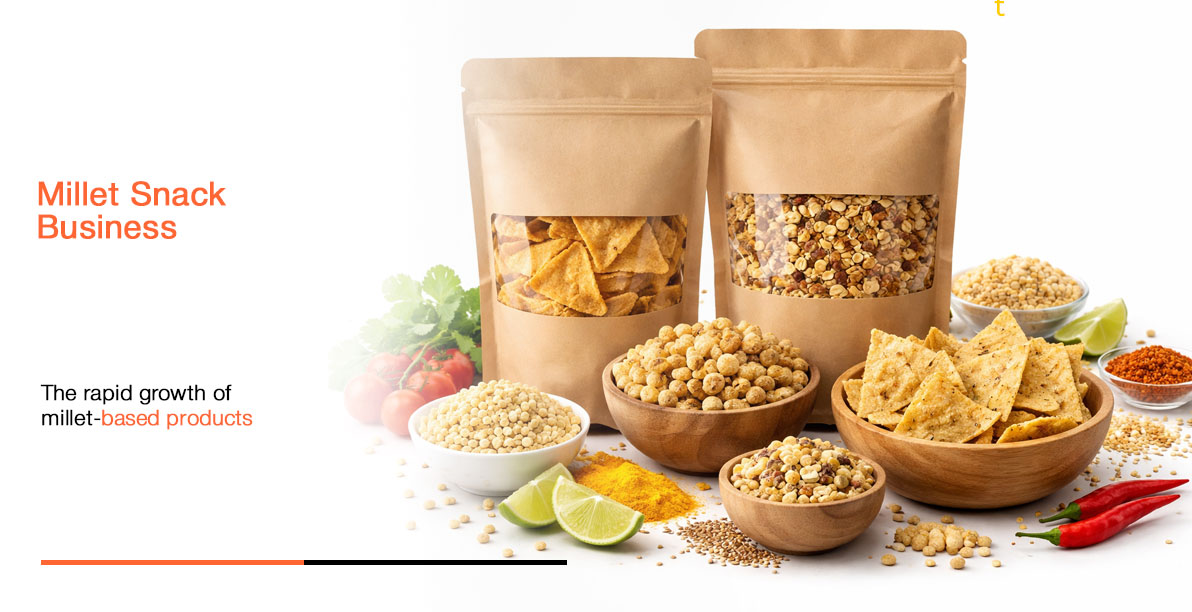
Ready-to-Eat Snacks: Producing baked or puffed items like millet chikkis, energy bars, cookies, and savory snacks.
Breakfast Cereals & Flakes: Creating gluten-free breakfast alternatives to traditional corn flakes.
B2B & Private Label: Supplying bulk processed millets or white-label products to smaller retail brands and hospitality
Sourcing Quality Grains: Establishing direct relationships with dryland or sustainable farmers.
Proper Infrastructure: Investing in dedicated cleaning, de-hulling, and milling machinery.
Targeted Marketing: Positioning products around gluten-free, diabetic-friendly, and organic lifestyle benefits
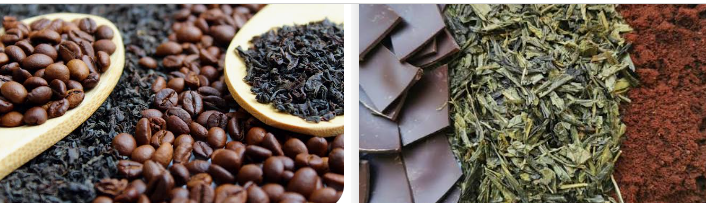
Coffee, tea, cocoa: Coffee, tea, and cocoa are the world's most popular plant-based, caffeine-containing hot and cold beverages. Derived respectively from roasted coffee beans, steeped leaves of Camellia sinensis, and fermented seeds of the cacao tree, they are major global agricultural commodities celebrated for their unique flavors, cultural rituals, and gentle stimulation of the human nervous system coffee and tea package Origins and Plant Sources
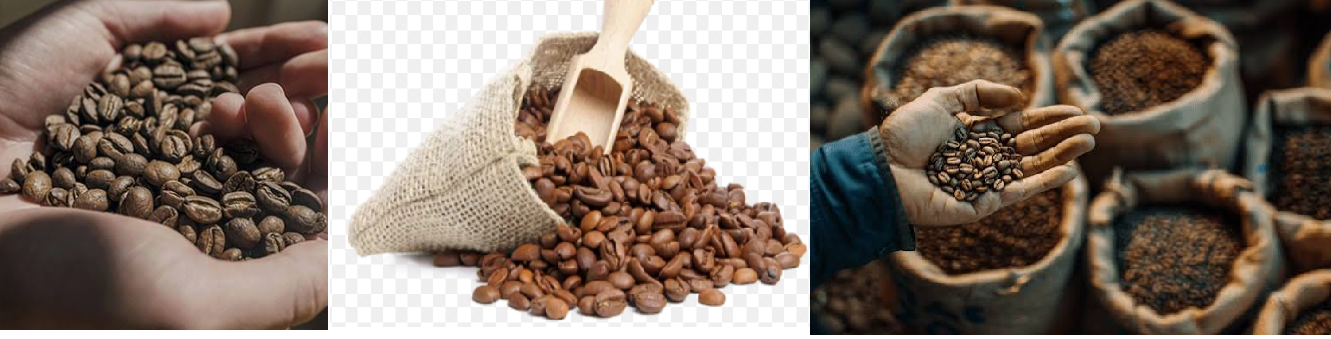
Coffee: Brewed from roasted seeds (beans) of the Coffea plant, native to Africa and cultivated heavily globally.
Tea: Made from the processed leaves and buds of the Camellia sinensis bush, originating in ancient China.
Cocoa: Produced from fermented and roasted seeds (cacao beans) of the Theobroma cacao tree, native to the tropical rainforests of the Americas.
Caffeine Levels: Coffee generally contains the highest amount of caffeine per cup, tea contains a moderate to low amount, and traditional cocoa contains very little alongside high levels of the stimulant theobromine.
Flavor Profiles: Coffee ranges from bitter, earthy, and acidic to fruity and sweet; tea spans floral, grassy, astringent, and malty notes; cocoa delivers a rich, chocolatey, and smooth taste.
Global Impact: They are vital economic drivers for developing nations in the "bean belt" and equatorial regions, fueling multi-billion-dollar global industries.
A coffee, tea, and cocoa business involves sourcing, processing, and selling popular global plantation crops. Success requires managing volatile commodity prices, establishing direct trade with farmers, and appealing to consumer demand for ethical, high-quality, and sustainable specialty beverages. Key Steps to Start a grain business
Market Research: Identify your target customer base (e.g., budget-conscious households versus premium organic buyers) and find reliable wholesale or farm suppliers.
Sourcing and Storage: Secure a clean, dry, and pest-free storage space to prevent grain spoilage and moisture damage.
Licensing and Permits: Register your food business and meet local health, safety, and trade regulations for selling staple food items.
Equipment Needs: If processing, invest in quality scales, sealing machines, or full milling lines (cleaners, destoners, and polishers).
Comments (0)
No comments yet. Be the first to share your thoughts.
Comments (0)
No comments yet. Be the first to share your thoughts.