You can fund a business by choosing from internal bootstrapping, debt financing, or external investor options, families or government funding program.
"whatever you are looking for is also looking for you". "the seeker shall be the finder" "Having money is a way of being free of money." — Douglas Coupland . "Price is what you pay. Value is what you get." — Warren Buffett
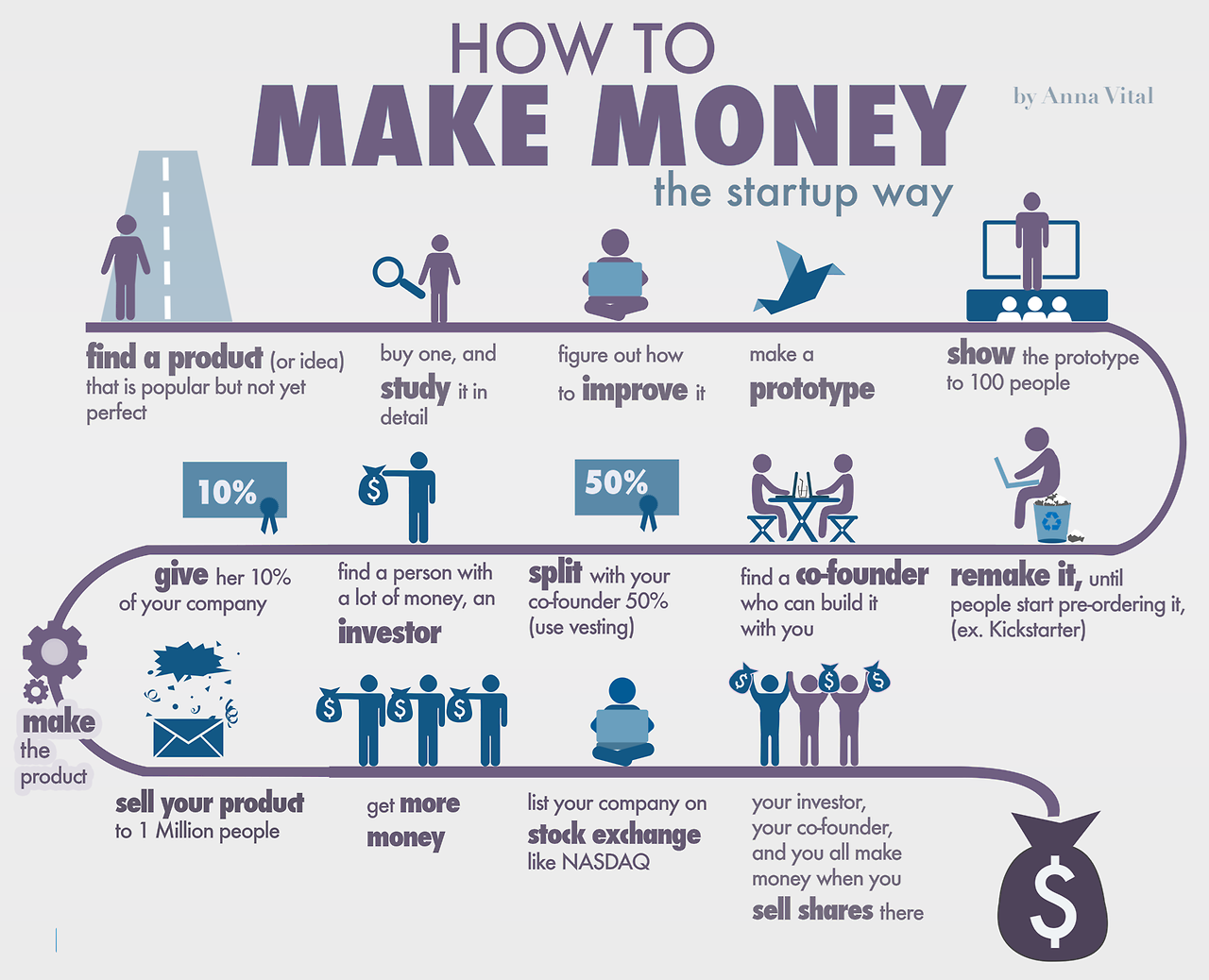
If your business is highly scalable or requires major upfront capital, you can pitch to private investors in exchange for equity:
Friends and Family: Usually the first line of capital for early-stage startups. While flexible, it carries a high risk of personal relationship strain if the venture fails.
Angel Investors: High-net-worth individuals who invest in early-stage startups. They often provide mentorship and industry connections alongside capital.
Venture Capitalists (VCs): Professional firms that invest large amounts into high-growth, high-potential startups. VCs typically look for established traction and target specific funding rounds (Series A, B, C).
Accelerators and Incubators: Programs that offer modest seed funding, office space, and intense mentorship in exchange for equity.
Alternative & Modern Funding Channels
Entrepreneurs are increasingly turning to alternative methods to avoid traditional banking friction or equity dilution:
Crowdfunding: Platforms like Kickstarter, Indiegogo, or GoFundMe allow you to raise funds from the general public. This can be reward-based (giving a product prototype) or donation-based.
Product Pre-Sales: Selling your product or service before it is officially manufactured or launched. This uses customer money to finance the actual production run.
Purchase Order (PO) Financing: If you have concrete customer orders but lack the cash to produce them, a PO financing company will advance the capital to your suppliers to cover production.
Digital Token Fundraising: Emerging frameworks are exploring digital tokens as a cheaper, faster mechanism to bypass slow, legally dense traditional fundraising pathways.
1. Maximize self-funding: Exhaust personal savings or early customer pre-orders to build an MVP (minimum viable product) and test product-market fit.
2. Tap immediate networks: Engage friends, family, or early angel investors via convertible notes or SAFEs (Simple Agreement for Future Equity).
3. Secure institutional credit or equity: Graduate to bank loans or venture capital only when you have predictable cash flows or high, scalable growth metrics.
Government Programs & Microloans
SBA Loans: The Government Small Business Administration guarantees loans issued by participating lenders, reducing risk and creating lower interest rates for entrepreneurs.
Microloans: Offered by non-traditional community lenders, these smaller loans are ideal for businesses needing minor capital injections or those with shorter credit histories.
Key Requirements to Secure Funding
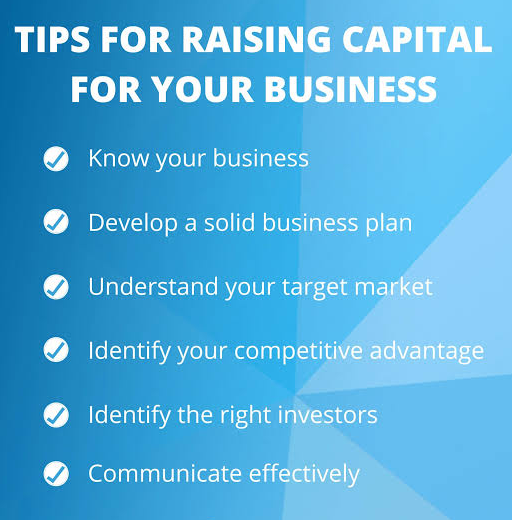
Before approaching any lender or investor, you must prepare foundational business assets to build credibility:
A Detailed Business Plan: Clearly map out your executive summary, target market analysis, competitive advantages, and marketing strategy.
Financial Projections: Calculate your runway (how long your cash will last), burn rate, and a transparent break-even analysis. Investors look carefully at exactly how their money will yield a return.
A Compelling Pitch Deck: A concise visual presentation demonstrating your leadership team's competence, the problem you solve, and the scalability of your business.
Comments (0)
No comments yet. Be the first to share your thoughts.

Comments (0)
No comments yet. Be the first to share your thoughts.