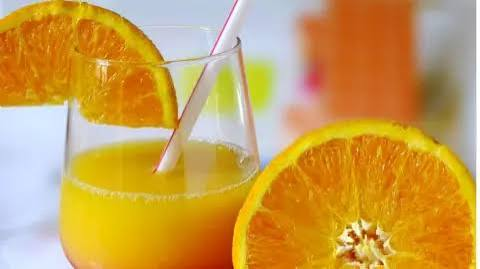
An orange juice business involves producing, bottling, or vending fresh-squeezed or concentrated citrus beverages. Popular models include local fresh juice bars, automated orange juice vending machines, bulk B2B supply, or large-scale manufacturing. choosing a model like freshly squeezed mobile kiosks, automated vending machines, local B2B delivery, or large-scale bottling. Success requires sourcing quality citrus, managing tight profit margins, and meeting food safety standards. The juice that satisfy the taste Starting or expanding an orange juice business is a highly lucrative venture driven by a permanent consumer shift toward healthier beverage alternatives. The global Orange Juice Market provides massive opportunities across multiple distinct operation models .
Core Operational Steps
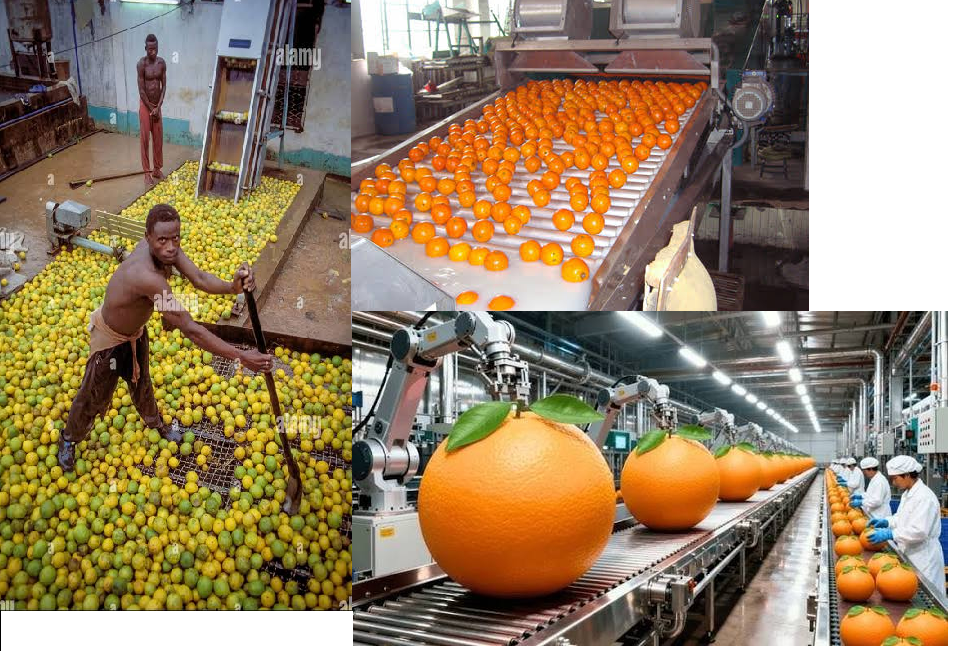
Sourcing Oranges: Secure bulk contracts for high-juice-yield varieties like Valencia or Navel oranges.
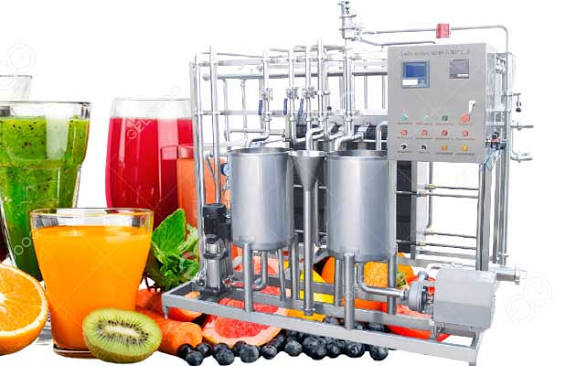
Equipment: Invest in heavy-duty commercial squeezers, cold storage, and food-grade bottling or sealing machinery.
Compliance: Follow local health department guidelines for food handling, hygiene, and shelf-life testing.
Waste Management: Find secondary uses or recycling streams for leftover orange peels and pulp to reduce waste costs
Dominance: Look to market leaders in your region and emulate their strategy
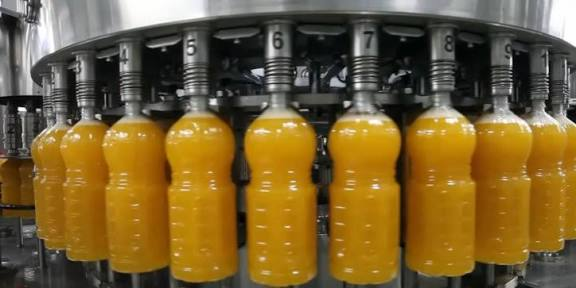
from orange to Juice Executive Summary of Orange juice Business Plan: Final bottling of Juice, the Juice that satisfies Launch a small-to-mid scale orange juice business focused on fresh-squeezed, cold-pressed, and optionally pasteurized bottled juice sold through local retail, gyms, cafés, and direct-to-consumer subscriptions. The business will differentiate on consistent taste, ingredient transparency (single-origin oranges where feasible), and reliable cold-chain handling to preserve flavor and nutritional quality. A. Market Opportunity: Demand for convenient, healthier beverages remains strong, driven by consumers seeking vitamin C, natural ingredients, and reduced sugar; growth is strongest in urban areas, wellness channels, and households willing to pay a premium for quality.
B. Target Customers: (1) health-conscious consumers (single-serve and low-additive options), (2) families seeking convenient breakfast beverages, (3) fitness and wellness venues (bulk supply) (4) corporate and event buyers for branded packs.
C. Product Line: Core SKUs include 100% orange juice (single-serve 250–330 ml), family size (1 L), and variety variants such as orange + ginger or orange + carrot (if using validated recipes), with optional “no added sugar” and “low pulp” versions; include seasonal limited editions and a subscription bundle. D. Operations Plan: Source oranges from reliable growers via seasonal contracts or cooperatives; implement incoming quality checks (brix, acidity, defect rate), standardized juice extraction, filtration level control, pasteurization where required (or cold-pressed with strict shelf-life), bottling/capping, labeling, and refrigerated storage. Establish a cold-chain logistics workflow: production schedule aligned with delivery windows, temperature monitoring, and batch traceability.
E. Facilities and Equipment: Lease or partner for a food-grade production space with sanitation compliance; invest in washing/inspection, juicer/extractor, filtration, pasteurization (if used), bottling line, labeling, and blast chilling or rapid cooling; include a small lab for basic quality testing and shelf-life sampling.
F. Compliance and Quality: Obtain required food processing permits, business licensing, and labeling approvals; follow HACCP/food safety plans, maintain sanitation SOPs, and ensure accurate nutrition facts, allergen statements, and lot coding.
G. Marketing and Sales Strategy: Use a local brand narrative (freshness, sourcing, transparency), sampling at farmers markets and partner cafés, targeted digital ads for subscription conversion, and B2B outreach to gyms and cafés with volume pricing and delivery reliability.
H. Pricing and Revenue Model: Set pricing to cover fruit cost, processing, packaging, labor, utilities, cold storage, distribution, and marketing; use tiered pricing for retail vs. bulk accounts, and offer subscription discounts (e.g., monthly delivery) to stabilize demand. Sales Channels: Start with direct-to-consumer online orders and local retail accounts, then expand into B2B distribution as production volume increases; consider third-party delivery platforms for initial traction. Financial Plan (High-Level): Revenue scales with production volume and channel mix; assume primary cost drivers are fruit (seasonal variability), packaging (bottles/caps/labels), and refrigerated logistics. Track unit economics per bottle (COGS, contribution margin) and set break-even targets based on fixed monthly overhead (rent, utilities, labor, insurance, compliance) and expected monthly volume. Plan for working capital to cover seasonal fruit procurement and inventory build; maintain cash reserves for peak demand and spoilage buffers. I. Key Metrics: Measure daily yield (juice per ton of fruit), defect/spoilage rate, on-time delivery rate, customer repeat rate, and shelf-life performance by batch. Risk Management: Mitigate orange price and supply volatility with multi-supplier sourcing, contract terms, and contingency substitutions (within recipe standards); reduce demand risk via phased capacity ramp, pre-orders/subscriptions, and pilot accounts; manage quality risk with strict batch testing, temperature control, and traceability.
J. Implementation Timeline: Months 1–2 finalize recipes, suppliers, packaging, permits, and brand; Months 3–4 run pilot production, validate shelf-life, and secure initial retail/B2B partners; Months 5–6 scale production, launch DTC subscription, and optimize logistics; Months 7–12 expand distribution footprint and refine SKUs based on sales data. K. Funding Needs: Budget for facility setup/leasehold improvements, equipment, initial inventory and packaging, licensing/compliance, marketing launch, and working capital; pursue a mix of owner equity and small business financing, with milestones tied to production volume and verified sales traction.
Comments (0)
No comments yet. Be the first to share your thoughts.
Comments (0)
No comments yet. Be the first to share your thoughts.