A comprehensive Poultry Business Planmust establish a direct line from flock assumptions to cash flow. Whether you are pitching to investors, securing bank loans, or launching a backyard setup, your plan needs a logical production model, a clear market analysis, and a structured financial framework.
Business Concept: Explicitly state whether you are operating a Broiler farm (meat production), a Layer farm (egg production), or a Hatchery (producing day-old chicks). [1, 2]
Mission & Vision: Define your target standard. For example: "To be the region's top supplier of high-yield, organic-fed poultry, prioritizing bio-security and animal welfare". [1, 2]
Scale of Operation: Define the initial capacity (e.g., 500-layer farm or 2,000-broiler batches) and necessary funding requirements.
🔎 2. Market Analysis & Strategy
Target Audience: Identify buyers like local supermarkets, hotels, restaurants, bakeries, or open-market wholesalers.
Competitor Landscapes: Map out existing large commercial farms and smaller local producers, noting their price models and gaps in their supply chains.
Marketing Channels: Direct-to-retail distribution, competitive bulk pricing, and contract farming with processing plants.
➡️ 3. Production & Operational Plan
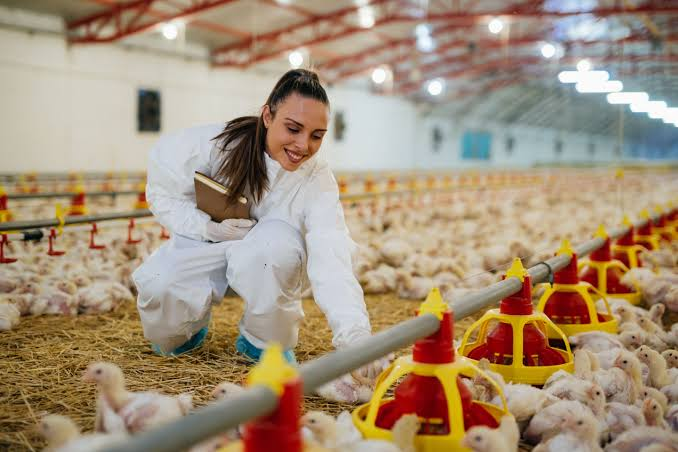
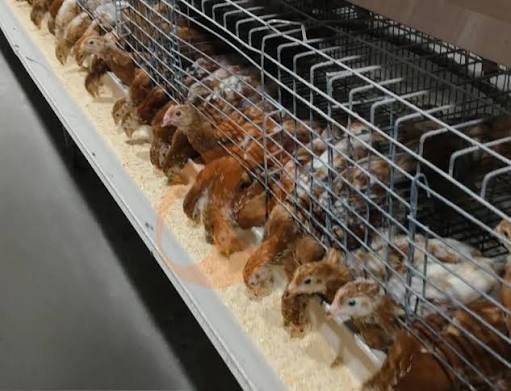
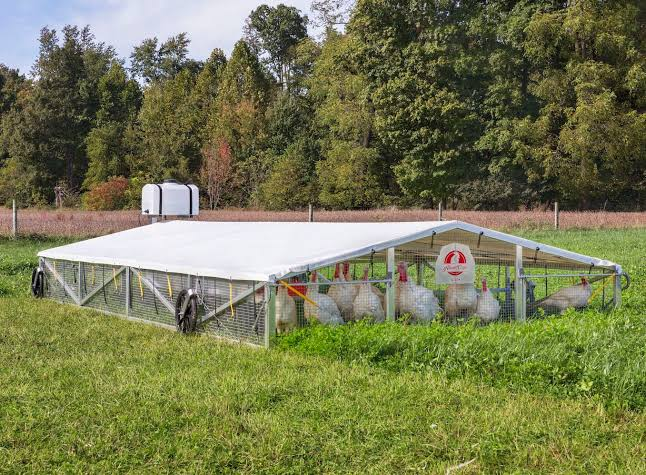
Housing System: Choose between a cost-saving deep litter system or a space-efficient battery cage system. Ensure the building has climate-appropriate ventilation and proper lighting control.
Essential Equipment: Budget for automatic or manual feeders, drinkers, egg trays, lighting setups, and reliable waste disposal systems.
Bio-Security Protocol: Detail strict sanitation routines, footbaths at entrance gates, and isolated quarantine sections to shield the flock from catastrophic disease outbreaks.
📊 4. Financial Plan & Forecasts
Startup Costs (One-Time CapEx): Land procurement/leasing, poultry house construction, equipment purchases, and the initial stock of day-old chicks or pullets. [
Operational Costs (Monthly OpEx):
Feed Expenses: Account for roughly 60% to 65% of your total operating costs.
Other Costs: Medication/vaccines, utilities (water, heating, electricity), transport, and labor wages.
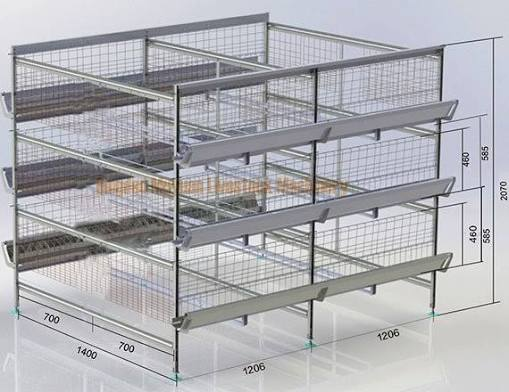
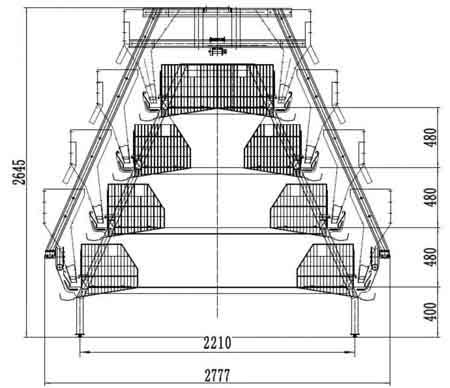
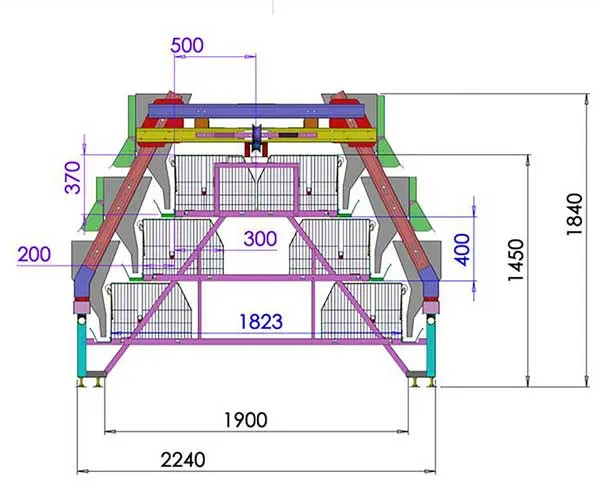
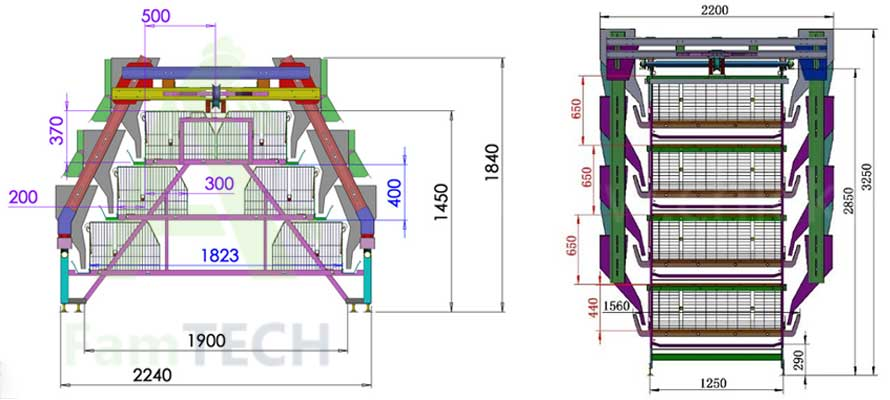
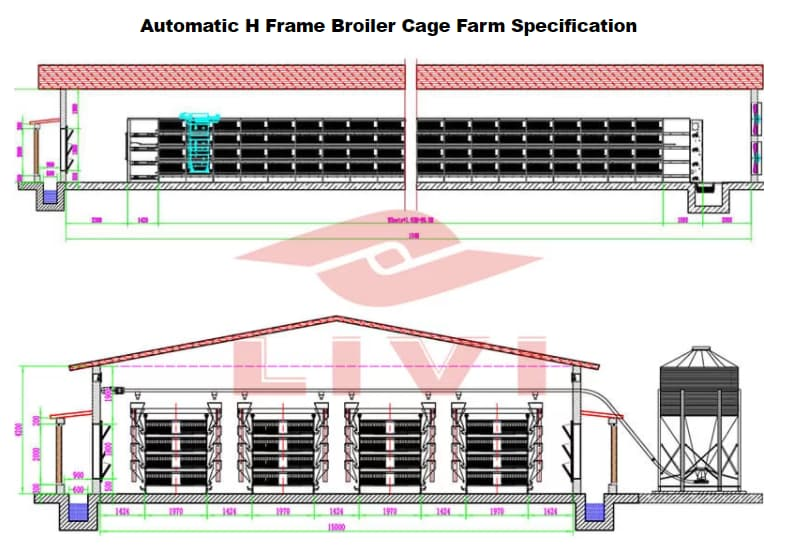
An A-frame broiler cage or H-frame broiler cage is a specialized multi-tier metal housing system designed to raise meat chickens off the ground efficiently, improving stocking density and hygiene.
Key Differences: A-Frame vs. H-Frame Systems
A-Frame Broiler Cages: Triangular layout where upper tiers are stepped inward. They feature a simpler structure, lower initial setup costs, and easy maintenance, making them ideal for small-to-medium operations. [
H-Frame Broiler Cages: Vertically stacked, multi-tier rectangular columns forming a robust "H" shape. They are built for medium-to-large commercial poultry farms, supporting full automation and maximum bird capacity per square meter.
Main Advantages of Broiler Cages
Higher Density: Breed up to three times more birds in the same floor space compared to traditional deep litter/floor-raising methods.
Better Hygiene: Droppings fall through mesh floors, reducing direct contact with waste and lowering disease and mortality risks.
Automated Management: Advanced systems integrate automatic nipple-drinking lines, feeding troughs, and manure-removal scraper or belt systems.
Enhanced Growth: Specialized flexible or soft polypropylene flooring prevents chest blisters, footpad damage, and breast bruising
Comments (0)
No comments yet. Be the first to share your thoughts.