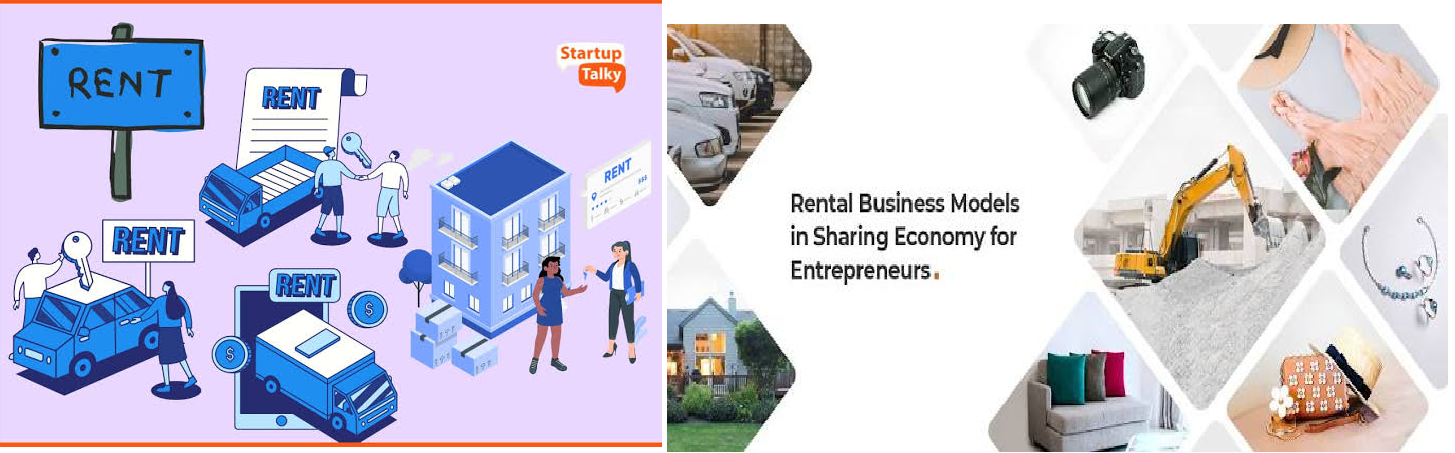
A rental business leases out assets like property, equipment, or vehicles for regular payments. It builds steady, recurring income because one single item makes money many times over. Popular options include residential real estate, party gear, and tools. Success relies on clear contracts, good asset care, and reliable tracking systems ▶ Watch the video Rent to rent business start up Rental business model Core Types of Rental Models
B2C (Business-to-Consumer): The company owns the items and rents them directly to everyday users (e.g., local car rental or party gear shops).
B2B (Business-to-Business): The company rents expensive commercial gear, heavy machinery, or office tech to other businesses.
P2P (Peer-to-Peer): The platform acts as a middleman. It connects private owners who have idle items with people who want to rent them
Rental Categories
Office Spaces: Ranging from bare units to fully fitted layouts with centralized or split air-conditioning.
Retail & Shophouses: High-foot-traffic ground floor spots suitable for boutique shops or services.
F&B Units: Approved food and beverage spaces equipped with grease traps, exhaust provisions, and high electrical power supply.
Industrial & Warehouses: Large-floor-volume storage or light manufacturing facilities
Top Rental Niches
Real Estate: Housing, short-term vacation stays, and storage units.
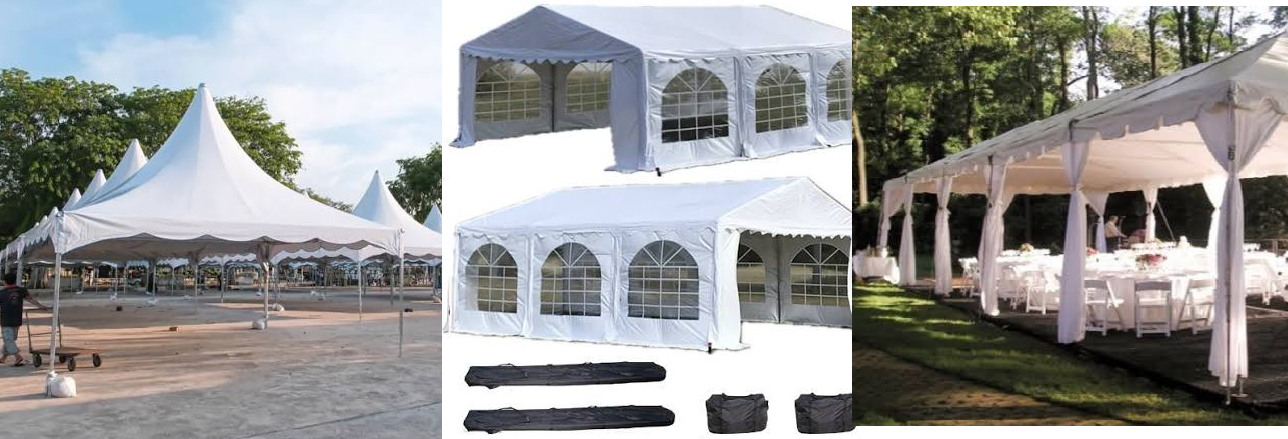
Events: Tents, chairs, tables, and sound systems for parties.
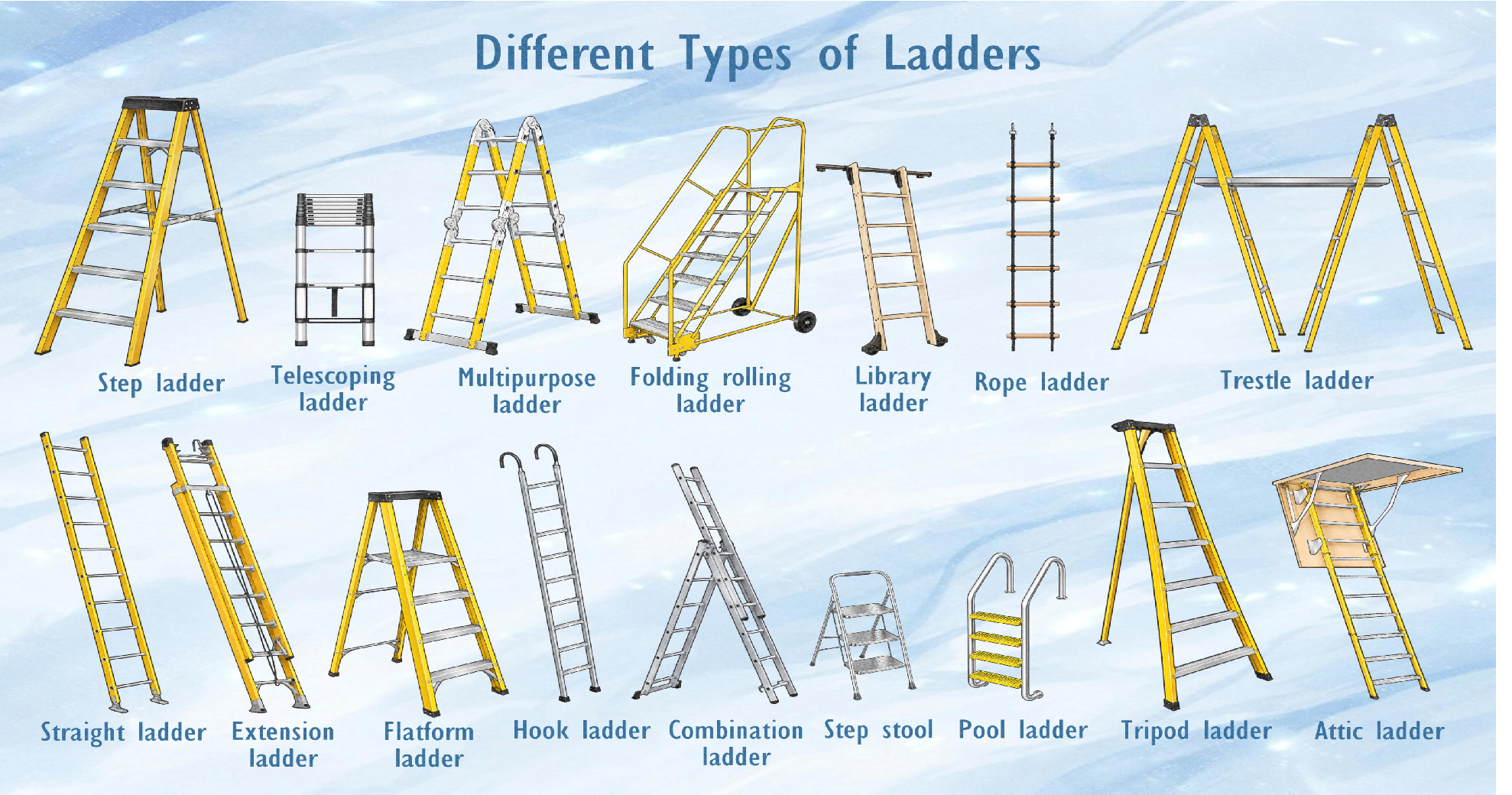
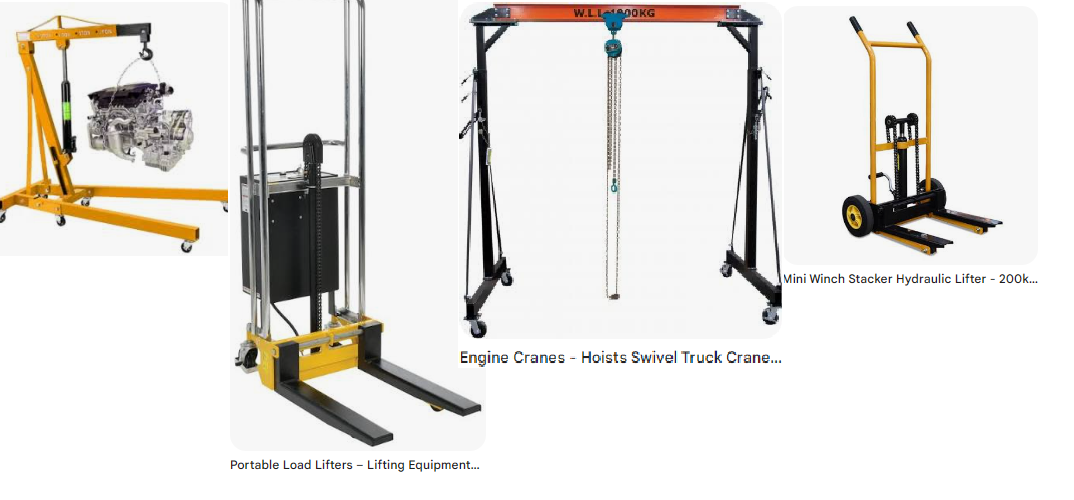
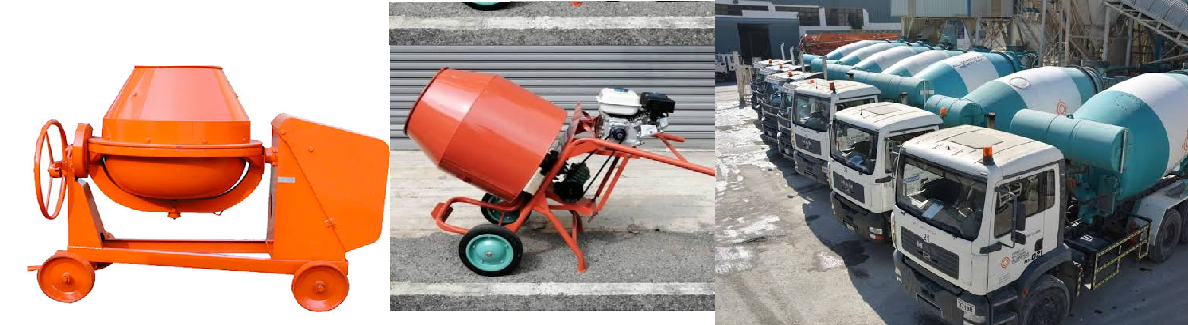
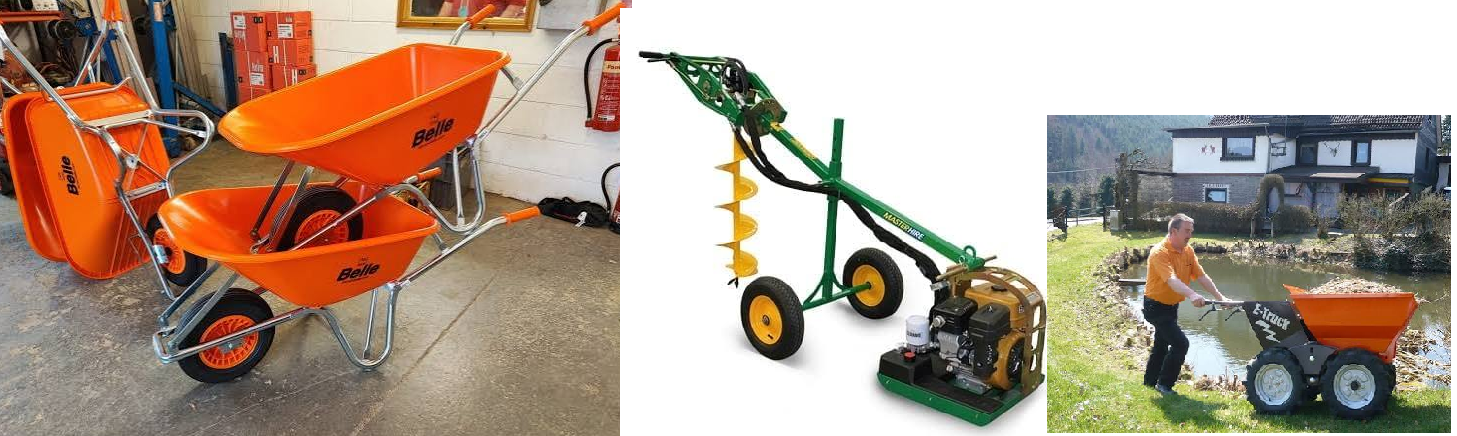
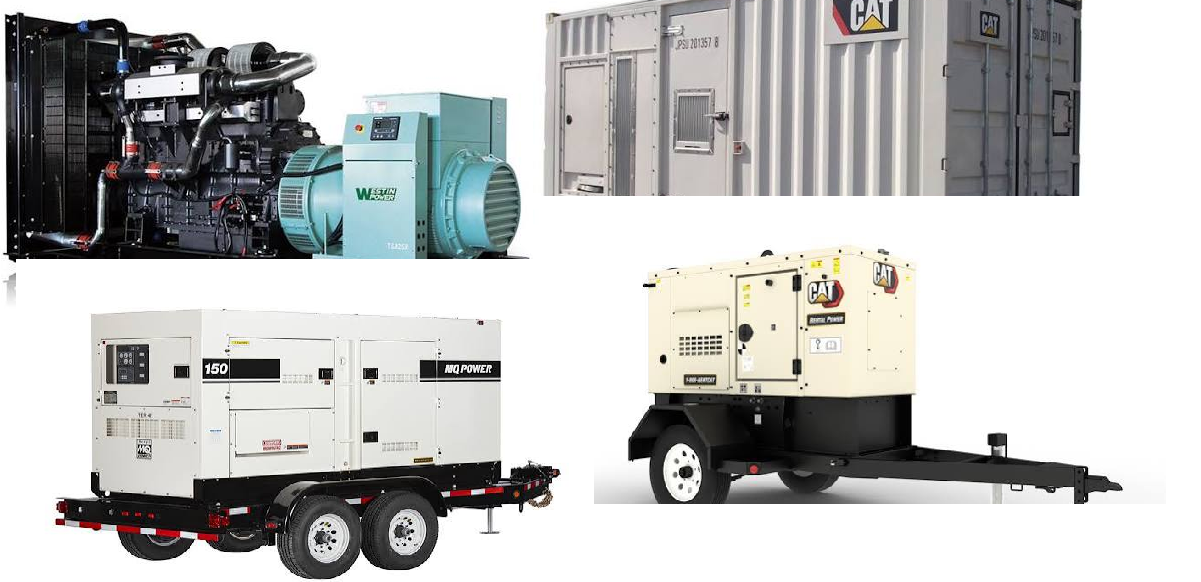
Equipment: Heavy construction machinery, tools, and office tech.
Vehicles: Cars, bikes, and recreational gear
Steps to Start
Pick a niche: Choose a market with high local demand and clear target buyers.
Set clear rules: Write strong rental agreements that protect your items from damage.
Track inventory: Use software to manage bookings, due dates, and deposits.
Promote local reach: List your services online or use platforms tailored to your asset type.
The rental businesswill provide short- and long-term rentals of high-demand assets (e.g., equipment, vehicles, tools, event supplies) with a focus on reliable availability, fast delivery/pickup, transparent pricing, and strong maintenance to minimize downtime. Market Opportunity: Demand is driven by small contractors, homeowners, event organizers, and travelers seeking cost-effective alternatives to ownership; growth is supported by seasonal peaks, local construction activity, and the convenience of on-demand service.
Customer Segments: (1) Residential customers for DIY and home improvement rentals; (2) Small businesses and contractors for project-based equipment; (3) Event and wedding planners for temporary assets; (4) Corporate and institutional buyers for recurring rentals.
Value Proposition: Competitive daily/weekly rates, flexible rental terms, clear deposit and insurance options, rapid booking and scheduling, and well-maintained inventory with documented inspections.
Operations Plan:Acquire inventory based on demand forecasting and utilization targets; establish a standardized intake process (condition check, cleaning, accessories verification), maintenance schedule (preventive servicing, calibration where applicable), and a repair workflow (vendor network and in-house triage). Implement a booking system with real-time availability, automated reminders, and route planning for delivery/pickup. Staffing includes operations manager, customer service/dispatch, maintenance technician(s), and part-time inventory support during peak seasons.
Location and Logistics:Choose a facility with adequate storage, secure yard/warehouse space, and easy access for delivery vehicles; maintain inventory organization by SKU and barcode/asset tags; ensure compliance with local zoning, safety, and any licensing requirements. Marketing and Sales Strategy: Use a mix of local SEO, Google Business Profile, referral partnerships with contractors and event venues, targeted ads for seasonal needs, and a simple quote-and-book process; offer bundles (e.g., tool kits), loyalty discounts, and corporate accounts with invoicing. Pricing Strategy: Set rates by asset class and expected utilization, include tiered pricing for longer terms, charge for delivery/setup where applicable, and apply deposits/hold policies; maintain a rate card and update quarterly based on utilization, repair costs, and competitor benchmarks. Financial Plan: Initial capital will fund inventory purchases, facility setup, insurance, software, and working capital; revenue is driven by rental days/weeks multiplied by average utilization and average ticket size, while costs include COGS (depreciation/repairs), labor, facility, insurance, marketing, payment processing, and vehicle/transport. Track unit economics per asset: gross margin after maintenance and direct labor, utilization rate (rental days/available days), average revenue per unit per month, and loss rates (damage, theft, non-return).
Risk Management: Mitigate asset loss and damage with deposits, ID verification, optional insurance, clear rental agreements, security systems, and standardized inspection checklists; reduce downtime via preventive maintenance and spare-part inventory; manage demand volatility with seasonal planning and diversified asset categories.
Technology and Controls:Use inventory management software with barcode tracking, maintenance logs, and automated billing; implement accounting controls for deposits, refunds, and damage charges; maintain KPIs dashboards for utilization, on-time delivery, incident rates, and customer satisfaction. Implementation Timeline: Phase 1 (0–2 months) finalize legal setup, lease facility, select inventory, onboard software and vendors; Phase 2 (2–4 months) launch marketing, train staff, begin rentals with a controlled SKU set; Phase 3 (4–12 months) expand inventory based on utilization data, optimize pricing, and formalize partnerships.
Key Metrics:Monthly utilization by category, average rental duration, gross margin per asset class, maintenance cost per rental day, customer repeat rate, on-time delivery rate, and net cash conversion cycle.
Conclusion: With disciplined inventory planning, strong maintenance and inspection processes, and data-driven pricing and marketing, the rental business can achieve stable utilization, controlled risk, and scalable growth in a local market with recurring demand.
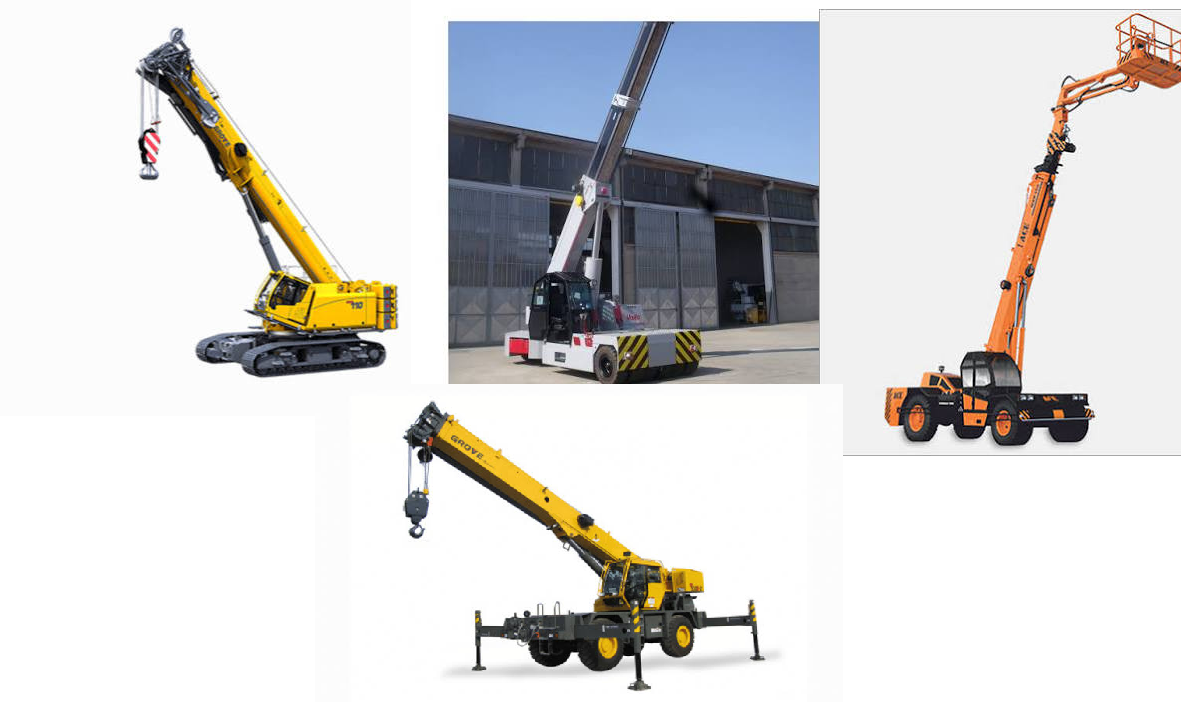
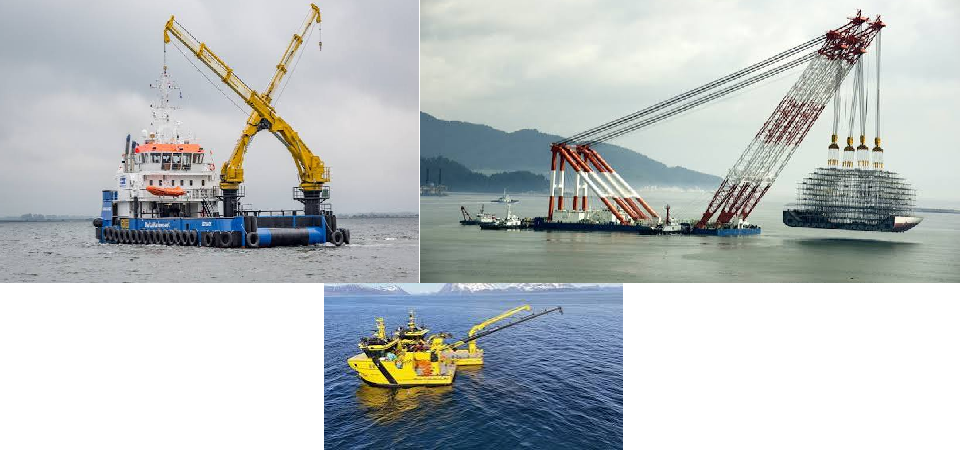
Marine crane and crane barge rental charges depend heavily on the lifting capacity (ranging from 150 to 400 tonnes) and charter duration. While daily to monthly rates for standard industrial mobile cranes vary from $3,900 to over $23,100 per week, marine crane barges are custom-quoted based on project-specific towing, securing, and operational requirements.
For localized marine projects, you will typically need to factor in additional costs such as anchor boats, survey boats, and sea logistics. Leading equipment providers in the region offer different arrangements:




Comments (0)
No comments yet. Be the first to share your thoughts.