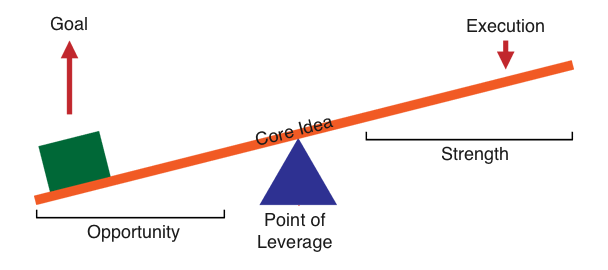
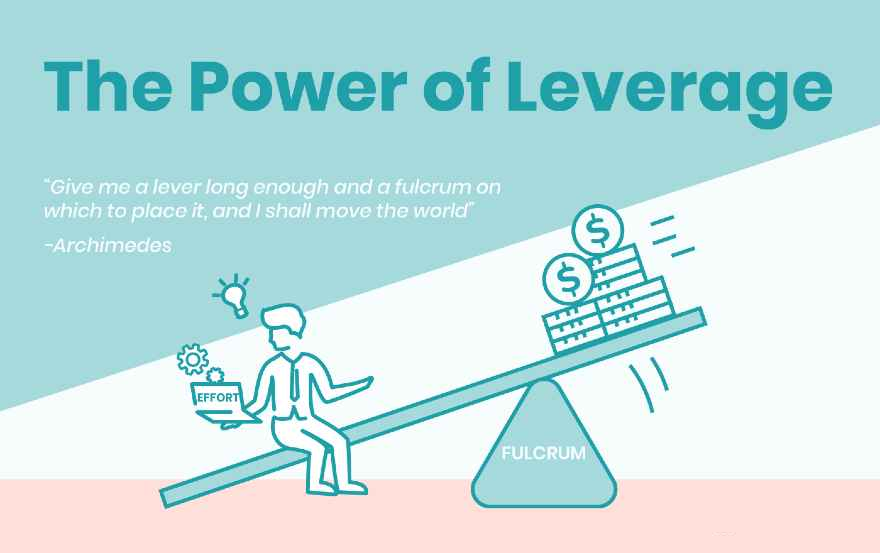
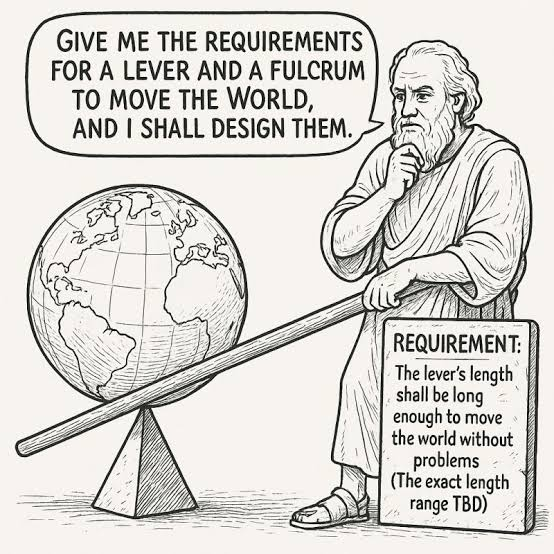
Give me a lever long enough and a fulcrum on which to place it and i shall move the world ( Archimedes) A little is enough to compound into exponential gains (Odeyemi Daniel)
Core Meanings by Context
General & Business: Using a skill, relationship, or resource to maximum advantage to achieve a goal. It also means having power or influence over another person or situation.
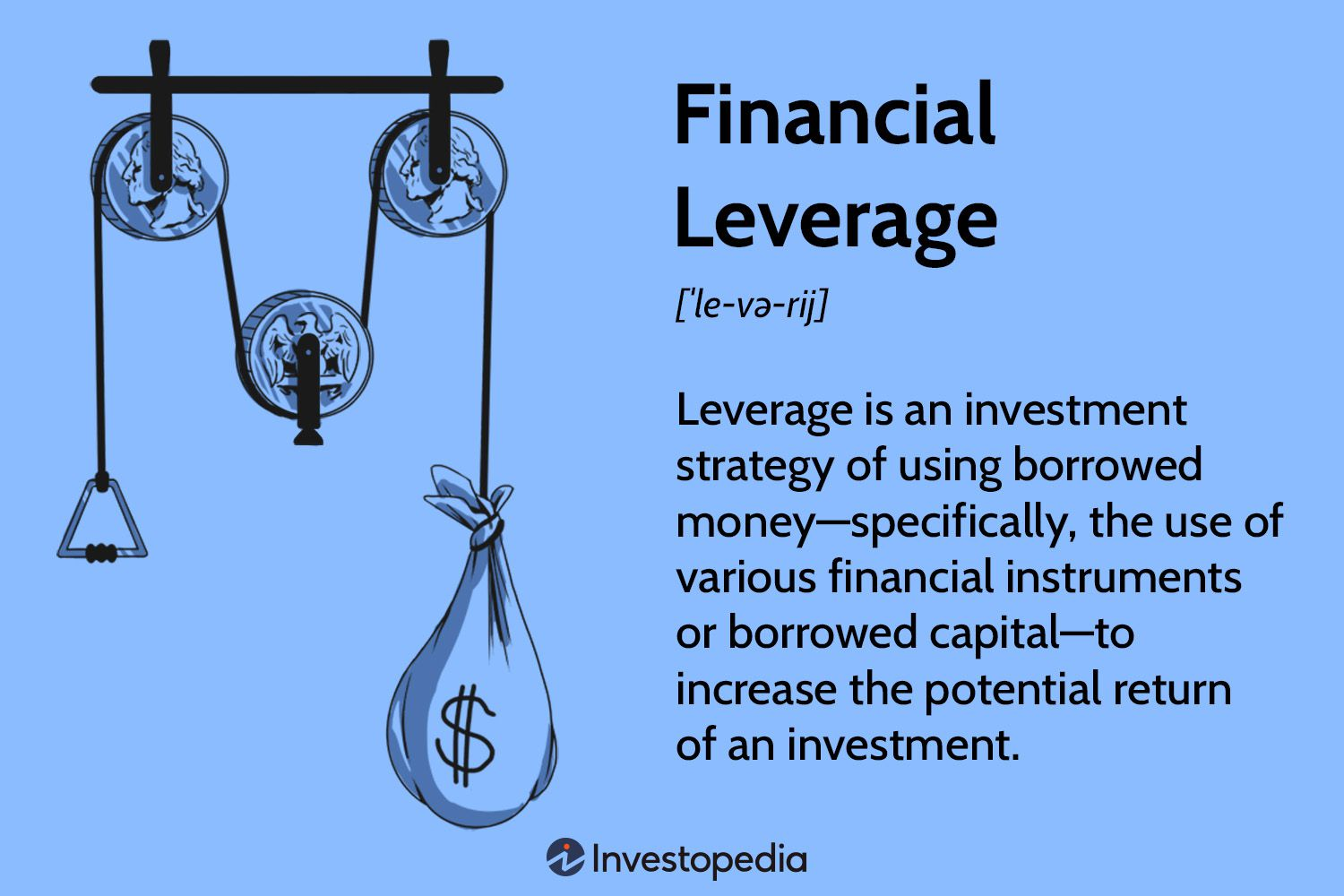
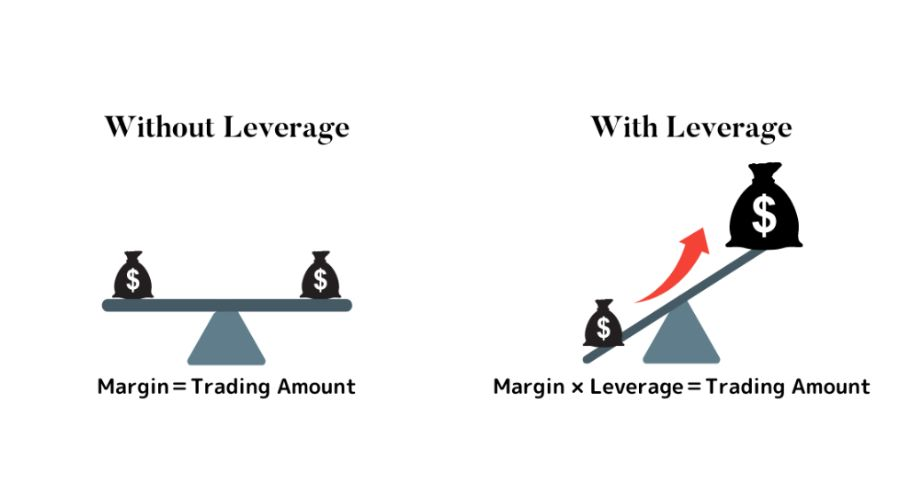
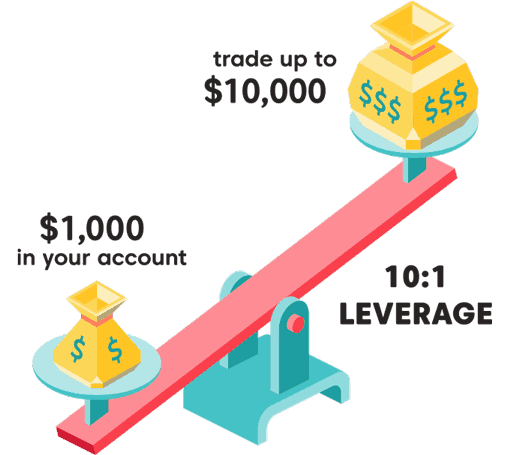
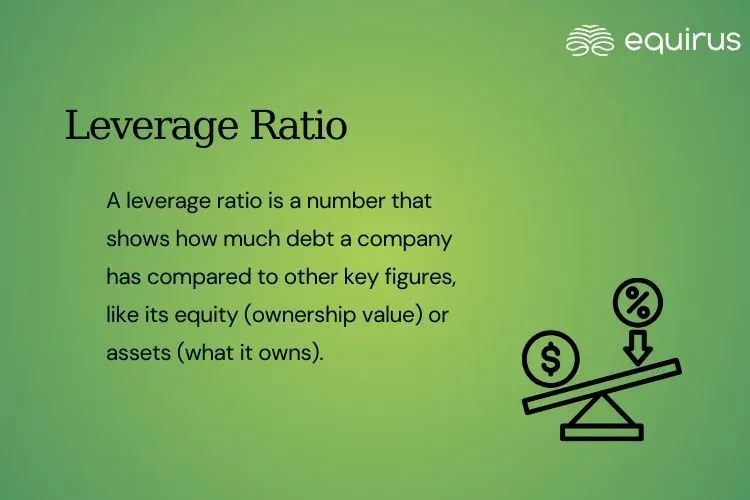
Finance & Investing: Using borrowed money (debt) to buy assets or investments to increase potential returns. This can also magnify losses if the investment fails.
In business and finance, leverage refers to the strategy of using borrowed capital, debt, or specific tools to increase the potential return (or impact) of an investment or project.
Essentially, it means using a small amount of your own resource to control a much larger asset or outcome, amplifying both potential gains and potential losses.
Financial Leverage: Using borrowed money (debt) to buy assets or fund operations. If the asset grows in value faster than the interest cost of the loan, the profit margins expand dramatically.
Operating Leverage: The ratio of a company's fixed costs to its variable costs. A company with high operating leverage generates larger profits for every additional sale after its fixed costs are met.
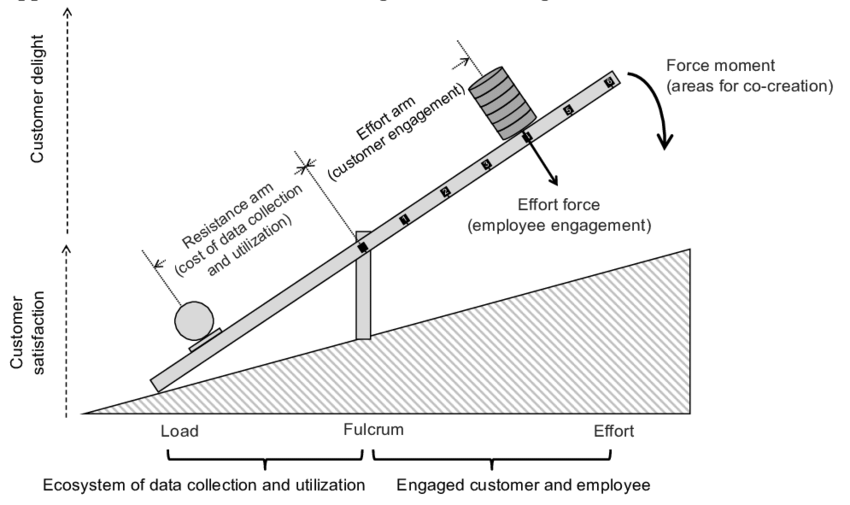
Strategic/General Leverage: Using a specific advantage—such as proprietary technology, unique skills, or strong relationships—to gain a competitive edge or achieve a bigger result with less effort.
While leverage magnifies success, it also multiplies downside risks:
Magnified Losses: If the underlying asset drops in value, the investor still owes the full borrowed amount, which can quickly wipe out original capital.
Fixed Costs: Debt requires regular interest payments, which can strain cash flow during economic downturns.

Comments (0)
No comments yet. Be the first to share your thoughts.