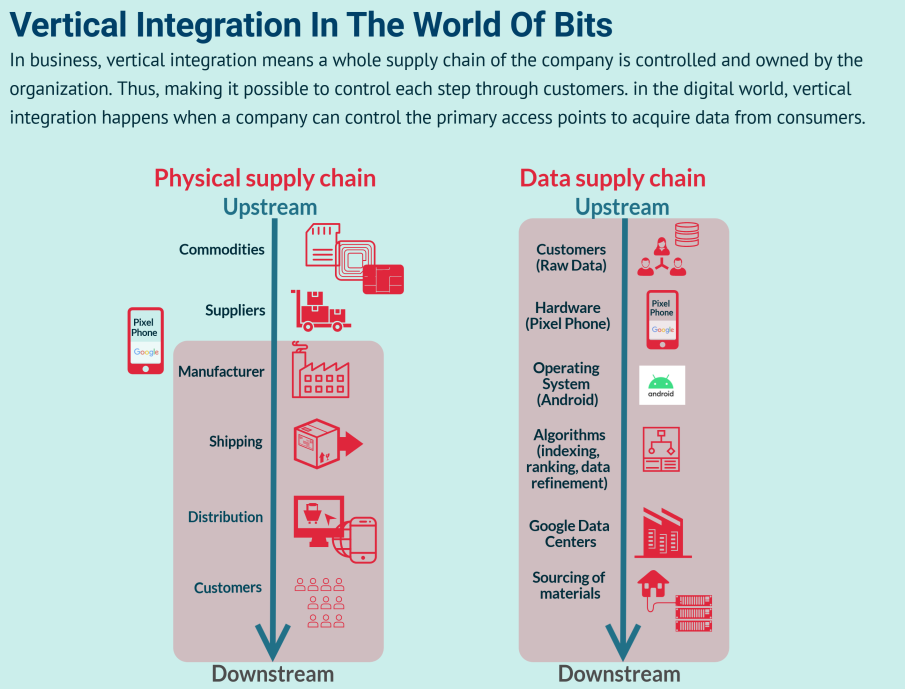
Vertical integration is a business strategy where a company owns or controls multiple stages of its supply chain instead of relying on outside suppliers or distributors.
Systems and tools are deeply intertwined. Differentiation is merely a skill integration is an art Integration is an art
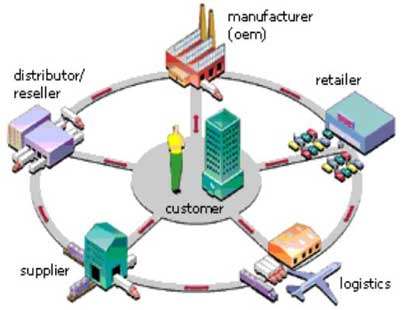
Vertical integration is a strategic business move where a company takes direct ownership or control over multiple stages of its own supply chain, rather than outsourcing them to external third parties. By replacing independent suppliers, distributors, or retailers with in-house operations, a corporation aims to secure vital resources, trim intermediate profit markups, and strengthen its market positioning.
Types of Vertical Integration
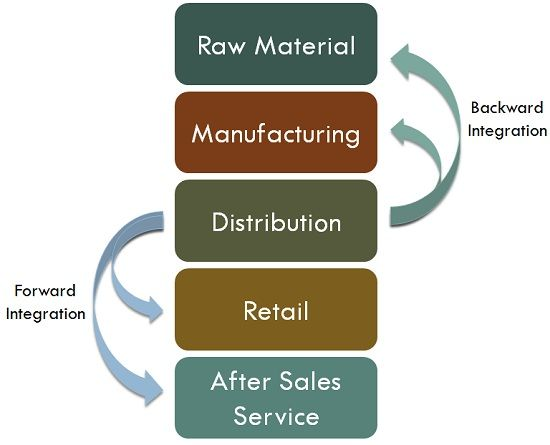
Backward (Upstream) Integration: A company buys or controls its suppliers or raw material producers. For example, a clothing brand buys a textile factory. Example: The furniture retailer IKEA buying thousands of acres of forest land in Romania to directly secure its timber supply.
Forward (Downstream) Integration: A company moves closer to the end consumer by controlling its distributors or retail stores. For example, a shoe maker opens its own retail shops.
Example: Hardware giant Apple establishing its global network of iconic brick-and-mortar retail stores to handle direct-to-consumer sales and customer support.
Balanced Integration: A company uses both forward and backward integration to control the entire supply chain from start to finish.
Pros and Cons
Benefits: Lower costs by removing the middleman, tighter quality control, and better supply chain reliability during shortages.
Drawbacks: High upfront financial costs, increased business complexity, and potential management strain in areas the company does not know well.
Vertical integration is not always an "all-or-nothing" strategy. Companies structure their control across four distinct degrees:
Full Integration: Total ownership of all assets, resources, and stages across the designated supply chain segment.
Quasi-Integration: Gaining a partial equity stake or specialized investment in a supplier to enjoy executive perks and aligned incentives without full ownership.
Long-Term Contracts: Diluted integration via stable, long-running partnerships that fix costs and protect product consistency over time.
Spot Contracts (Non-Integrated): The baseline market state where a firm relies purely on immediate open-market transactions for its production requirements.
Andrew Carnegie Andrew Carnegie: He owned every step of making steel, from the iron ore mines and coal fields to the railroads and steel mills. This strategy cut out middleman costs and made his steel the cheapest on the market. Henry Ford
Henry Ford: He later expanded the strategy in the auto industry with the Ford Motor Company, controlling everything from raw rubber and iron ore to finished cars.
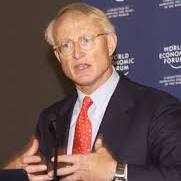
Michael Porter
Michael Porter: Decades later, the modern business concept of the industry value chain and strategic vertical integration was popularized in management theory by Porter
Comments (0)
No comments yet. Be the first to share your thoughts.

Comments (0)
No comments yet. Be the first to share your thoughts.