Knowing what to think means memorizing fixed facts, rules, or opinions, whereas knowing how to think means using mental tools to evaluate evidence and reach your own conclusions.
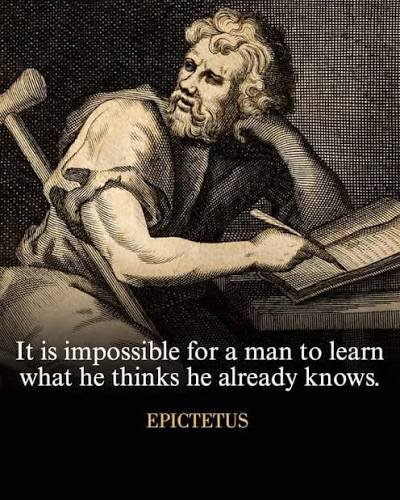
"The majority of men... are not capable of thinking, but only of believing, and... are not accessible to reason, but only to authority."
Knowing what to think delivers a conclusion, while knowing how to think equips you with a process.
This distinction is the fundamental difference between indoctrination and education, or between memorization and critical thinking. When you only know what to think, you are dependent on external sources to feed you answers. When you know how to think, you possess the cognitive agility to analyze data, evaluate evidence, and reach independent conclusions. Epictetus
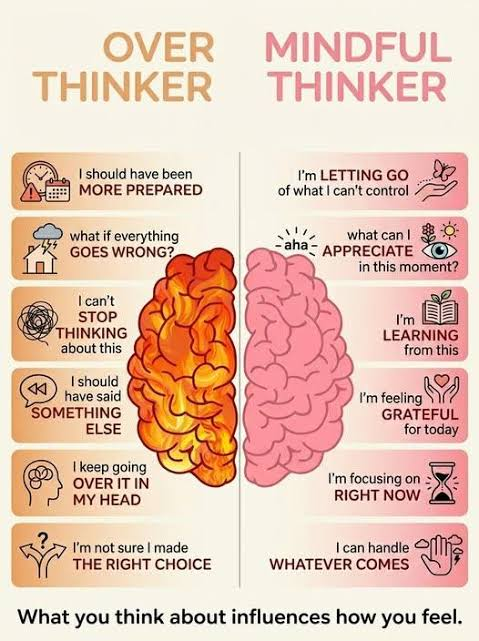
What to Think (The Content)
Pre-made answers: Accepting ready-made beliefs, dogmas, or ideologies without questioning them.
Memory-based: Relying on memorized information rather than personal inquiry.
Vulnerability: Leaving yourself open to manipulation, control, or programming by others.
As noted in insights shared on Medium, this approach often involves blindly trusting sources and ignoring alternative possibilities.
How to Think (The Process)
Active reasoning: Using critical thinking, mental models, and logic to solve new problems.
Inquiry: Asking deep questions like "Why do I believe this?" and "What evidence supports or challenges my view?"
Flexibility: Changing your mind when new, reliable facts appear.
Media Consumption: A person told what to think reads a headline and immediately adopts it as absolute truth. A person who knows how to think tracks down the original source, evaluates potential biases, and examines the counter-arguments.
Business Leadership: A traditional manager follows standard operational playbooks step-by-step, even when they fail. An agile leader diagnoses the root causes of team friction and designs experiments to create custom solutions.
Scientific Progress: If early scientists only focused on what to think, humanity would still believe the Earth is flat. True breakthroughs happen when individuals use the scientific method to question prevailing assumptions.
Comments (0)
No comments yet. Be the first to share your thoughts.