Economics: Microeconomics and Macroeconomics
October 10, 2026 · 14 views ·by Odeyemi Oluwafemi
Economics divides into two main branches: microeconomics (the study of individual agents and specific markets) and macroeconomics (the study of the economy as a whole).
They study how people and societies use scarce resources, differing mainly in scale and scope
▶ Watch the video on MicroEconomics and MacroEconomics
They study how people and societies use scarce resources, differing mainly in scale and scope
▶ Watch the video on MicroEconomics and MacroEconomics
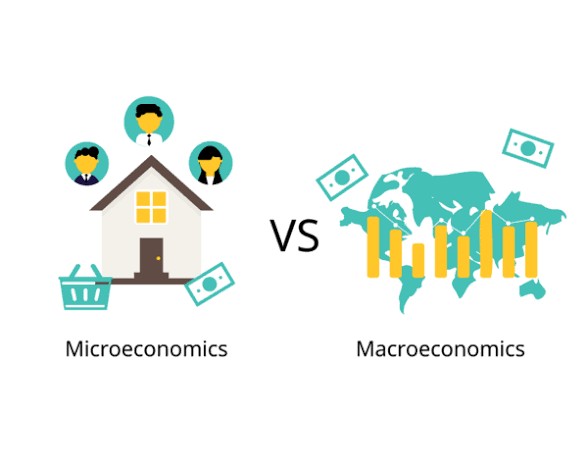
Key Concepts in Microeconomics
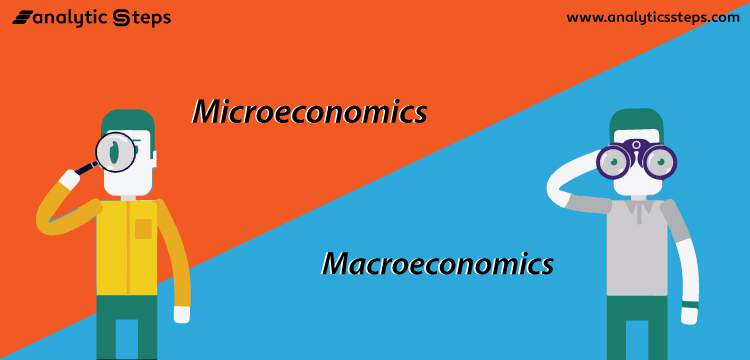
Microeconomics acts like a magnifying glass to examine how agents allocate scarce resources. Key areas of study include:
- Supply and Demand: How the interaction between buyers and sellers determines market prices for specific goods.
- Opportunity Cost: What an individual or business must give up to acquire something else.
- Consumer Theory: How households maximize their utility or satisfaction within a fixed budget constraint.
- Production and Labor Economics: How businesses determine wages, establish labor contracts, and optimize production efficiency.
Key Concepts in Macroeconomics
Macroeconomics takes a wide-angle view, observing the overall health and patterns of the entire economic forest. Key areas of study include:
- Gross Domestic Product (GDP): The total monetary value of all finished goods and services produced within a country's borders over a year.
- Inflation: The rate at which the general price level of goods rises, eroding consumer purchasing power.
- The Business Cycle: The natural, recurring fluctuations of economic expansion and contraction.
- Government Policy Tools:
- Monetary Policy: Central banks adjusting interest rates and managing the money supply to stabilize the economy.
Microeconomics
Microeconomics uses a bottom-up approach to examine how individual units make decisions regarding scarce resources.
Focus Area: Individual consumers, single households, and individual businesses.
Key Concepts: Supply and demand, consumer utility maximization, profit maximization, elasticity, production costs, and market structures (such as monopoly or perfect competition).
Core Questions: How does a consumer choose what to buy? How does a firm set prices and production quantities? What determines worker wages or product pricing in a specific market?
Policy Tools: Local taxes, subsidies, and industry-specific price regulations.
Macroeconomics
Macroeconomics uses a top-down approach to analyze aggregate economic activity across a region, country, or the entire globe.
Focus Area: The entire economic system and broad national or global trends.
Key Concepts: Gross Domestic Product (GDP), inflation, unemployment rates, economic growth, business cycles, and international trade.
Core Questions: Why does national output rise or fall? What drives inflation or high unemployment? How do government policies impact the overall standard of living?
Policy Tools:
- Monetary Policy: Central bank management of interest rates and money supply.
- Fiscal Policy: Government spending and taxation set by national authorities.
How They Interconnect
While distinct, the two fields are deeply symbiotic:
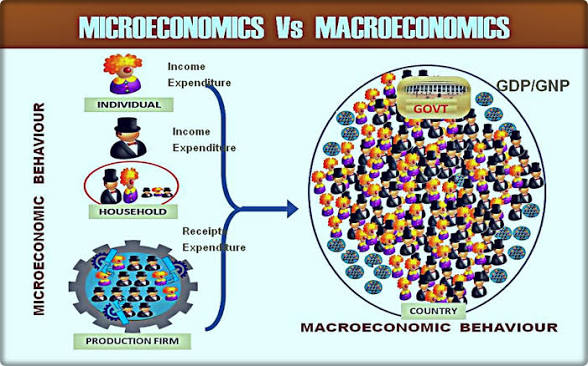
Micro to Macro: Mass decisions by millions of individual households and firms (micro-level spending and hiring) combine to shape national economic growth and aggregate demand (macro-level outcomes).
Macro to Micro: Broader economic shifts—such as a central bank raising interest rates or a spike in national inflation—directly alter the borrowing, pricing, and budgeting choices of individual people and businesses.
Comments (0)
No comments yet. Be the first to share your thoughts.