Economics : The Exchange
October 9, 2026 · 11 views ·by Odeyemi Oluwafemi
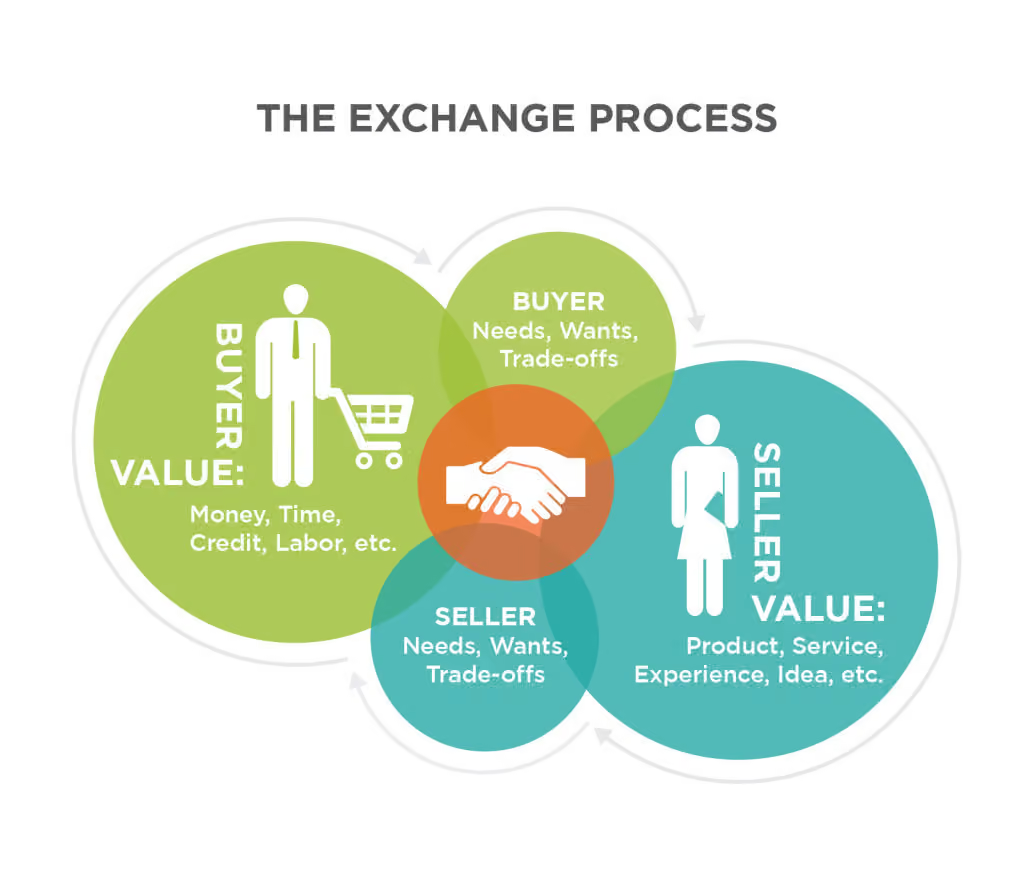
An economic exchange is a voluntary transaction where two parties trade goods, services, or assets—usually mediated by money.
In economics, the exchange refers to two primary concepts depending on the context: the act of trade (the voluntary trade of goods, services, or assets between parties) or the infrastructure of trade (organized marketplaces or platforms where financial instruments, commodities, or currencies are traded).
"Peace is built on understanding, and wars are built on misunderstandings. Never underestimate the power of a single word, and never recklessly throw around words." — Suzy Kassem.
"You owe it to yourself to be the best person possible. Because if you are, others will want to be with you, want to provide you with the things you want in exchange for what you're giving to them." — Harry Browne
In economics, the exchange refers to two primary concepts depending on the context: the act of trade (the voluntary trade of goods, services, or assets between parties) or the infrastructure of trade (organized marketplaces or platforms where financial instruments, commodities, or currencies are traded).
"Peace is built on understanding, and wars are built on misunderstandings. Never underestimate the power of a single word, and never recklessly throw around words." — Suzy Kassem.
"You owe it to yourself to be the best person possible. Because if you are, others will want to be with you, want to provide you with the things you want in exchange for what you're giving to them." — Harry Browne
📊 Key Concepts of Exchange
Medium of Exchange: Money acts as a universally accepted item to facilitate trade and eliminate the inefficiencies of barter.
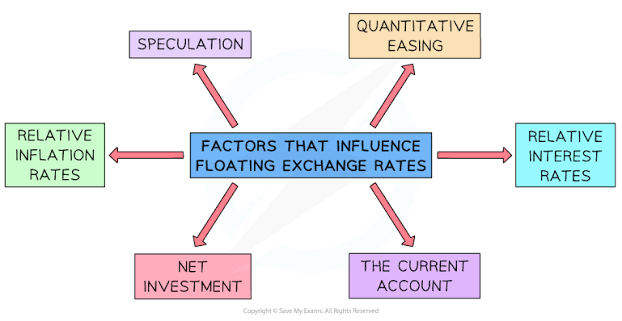
Exchange Rates: The price of one currency expressed in terms of another, governing international trade and capital flows.
Exchange Rates: The price of one currency expressed in terms of another, governing international trade and capital flows.
⚖️ Main Exchange Systems
Free Float: Value is set purely by market supply and demand without central bank intervention.
Fixed Peg: Value is legally tied to another major currency or basket of currencies, maintained via central bank intervention.
Managed Float: A hybrid model where currencies float dynamically but authorities intervene to smooth extreme fluctuations.
If you are looking for local remittance services in the region, you can check providers like the Economic Exchange Centre.
1. Macroeconomic Exchange: Currency & Forex
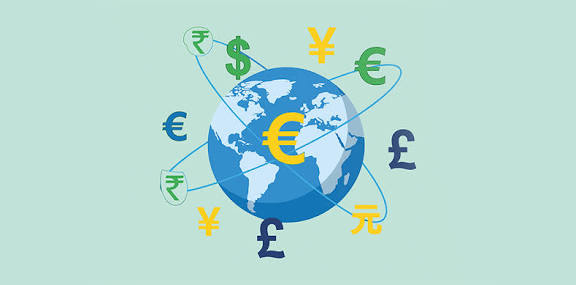
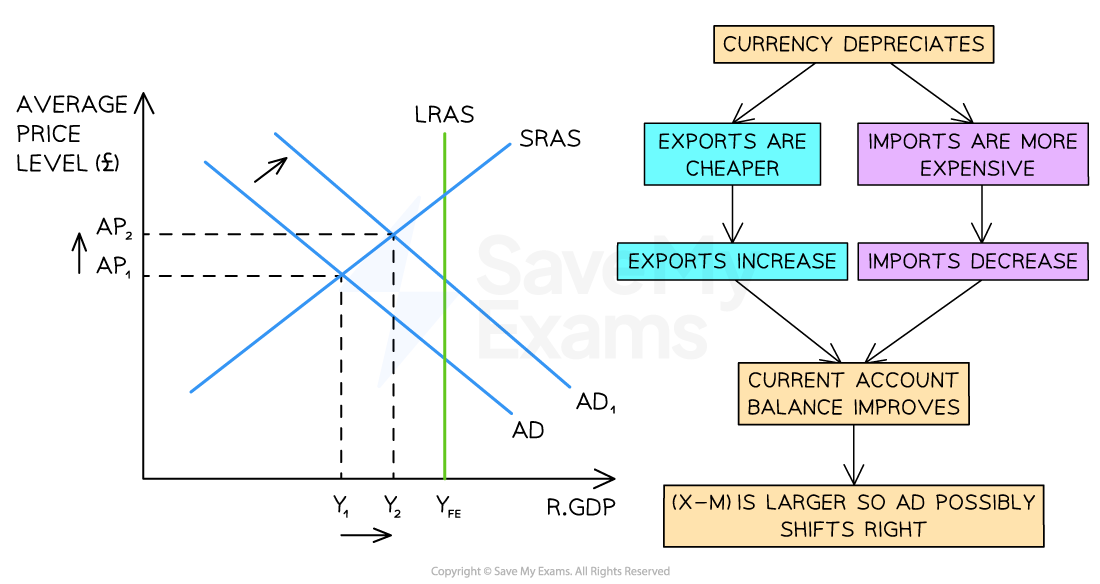
In international macroeconomics, "the exchange" heavily relates to exchange rates—the price of one nation's currency in terms of another. Central banks and governments manage these relationships using specific systems:
- Free Floating System: Market forces of global supply and demand completely dictate the currency's value. Major economies like the US Dollar (USD), British Pound (GBP), and Euro (EUR) operate this way without direct central bank target interventions.
- Fixed (Pegged) System: The government or central bank locks its currency value to another asset, such as the US Dollar or gold. To sustain this, the central bank must maintain vast foreign exchange reserves to manipulate supply and demand artificially.
- Managed Float System: A hybrid approach where a currency fluctuates daily with
- market forces, but central banks step in ("dirty float") if the currency moves too far or undergoes severe volatility.
- 2. Institutional Exchange: Financial Marketplaces
When economists refer to "an exchange" as an entity, they are discussing highly regulated, structured marketplaces that bridge capital seekers with investors. These serve as foundational pillars of the real economy:- Stock Exchanges: Platforms like the New York Stock Exchange (NYSE) or Nasdaq where public company shares are bought and sold.
- Commodities & Derivatives Exchanges: Venues used to trade physical raw goods (e.g., gold, crude oil) or financial contracts (options and futures).
- Foreign Exchange (Forex) Market: The largest global financial marketplace,
- processing trillions of dollars daily to facilitate international trade, tourism, and cross-border investments.
- 3. Microeconomic Exchange: The Core Theory
At its absolute baseline, microeconomics views an exchange economy as an environment where individuals or firms interact to trade their initial goods or skills based on market prices.
Comments (0)
No comments yet. Be the first to share your thoughts.