Disinfectants are chemical solutions manufactured to kill or eliminate harmful microorganisms on surfaces, such as bacteria, viruses, and fungi. While commercial factories use massive automated production lines, the core scientific process revolves around safely binding an active germ-killing agent with a solvent (usually water or alcohol) and an emulsifier to keep the mixture stable.
Depending on whether you are curious about industrial mass production or local small-scale/DIY formulation, here is exactly how disinfectants are made.
Commercial disinfectants are manufactured through controlled industrial processes to ensure efficacy and safety. The production typically involves the following stages:
Formulation and Ingredient Blending
Active Ingredients: Manufacturers select specific chemical agents designed to destroy or irreversibly inactivate microorganisms. Common active ingredients include quaternary ammonium compounds, sodium hypochlorite (bleach), hydrogen peroxide, or alcohols (ethanol or isopropanol).
Surfactants and Chelators: These are added to help the solution wet surfaces evenly and break down organic soils, allowing the active ingredient to contact the pathogens effectively.
Stabilizers and Buffers: Chemical stabilizers are integrated to prevent the active ingredients from degrading prematurely, ensuring a predictable shelf life.
Industrial Mixing and Quality Control
Controlled Blending: Ingredients are precisely metered and mixed in large stainless steel vessels under specific temperature and atmospheric conditions.
Testing: Batches undergo rigorous quality control testing to verify the exact concentration of the active ingredients, pH levels, and stability before packaging.
Packaging and Labeling
Container Selection: Disinfectants are packaged in specific high-density plastics or treated glass to prevent chemical reactions with the container.
Regulatory Compliance: Labels are applied with precise instructions for use, contact times required to kill specific pathogens, expiration dates, and necessary hazard warnings or precautionary statements.
For local or home production, a popular method for making an antiseptic liquid disinfectant (similar to commercial brands) involves a manual step-by-step mixing process:
Dissolving the Surfactant: Texapon is mixed vigorously into distilled water until it is completely dissolved.
Adding Essential Germicides: Pine Oil and Phenol are sequentially stirred into the base mixture.
The Alcohol Boost: In a separate container, powdered Chloroxylenol is thoroughly dissolved into Isopropyl Alcohol (IPA) to avoid a cloudy final product. This alcohol mixture is then poured into the main vat.
Coloring & Volume Adjustment: Water-soluble dye is added, and the final volume is topped off with water before letting the foam settle and bottling.
Common Types of Disinfectants
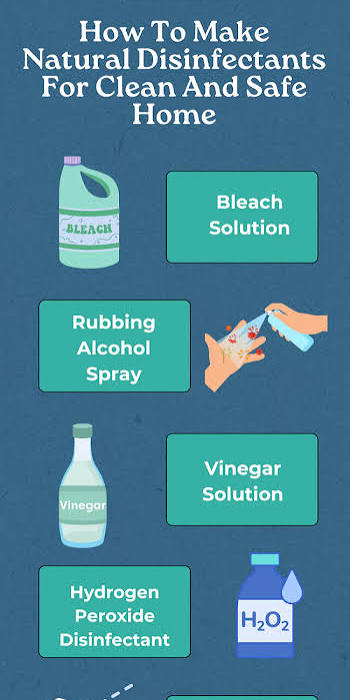
Chlorine and Hypochlorites: Aqueous solutions like household bleach (Sodium hypochlorite) are fast-acting, inexpensive, and widely used for surface disinfection and water treatment.
Alcohols: Ethanol and isopropanol act quickly against bacteria and enveloped viruses, commonly found in surface cleaners and hand hygiene solutions.
Oxidizing Agents: Hydrogen peroxide and peracetic acid offer eco-friendly, broad-spectrum efficacy on various environmental surfaces.
Aldehydes: Formaldehyde and glutaraldehyde provide powerful sporicidal and broad-spectrum effects, typically reserved for medical or laboratory instruments due to potential irritation.
Quaternary Ammonium Compounds: Found in many household and commercial disinfectant sprays, they effectively target common bacteria and viruses on hard surfaces.
Comments (0)
No comments yet. Be the first to share your thoughts.
Comments (0)
No comments yet. Be the first to share your thoughts.