Fabricated concrete building blocks are manufactured in industrial factories by mixing raw materials, compressing them into molds using heavy machinery, and curing them for structural strength.
"Our experiences are the building blocks of the future hewn out of the granite of the present." (Craig D. Lounsbrough) "The building blocks that form the foundation of your great and successful future, are the actions you take today." — Topsy Gift
Raw Material Batching: Portland cement (10–15%), aggregates like sand, gravel, or stone dust, and a controlled amount of water are measured precisely.
Mixing: Ingredients enter large industrial mixers to achieve a uniform, semi-dry consistency that is not too wet.
Molding and Compaction: The mixture is fed into a block-making machine where hydraulic pressure and mechanical vibration compact the concrete and remove air pockets.
Curing: Freshly demolded blocks are moved to curing chambers or kilns (using steam or water mist) to harden and gain durability over 24 hours, reaching full strength after about 21 days.
Palletizing and Inspection: Quality control tests check compressive strength and dimensions before blocks are cubed, stacked on pallets, and shipped.
building blocks 1. Raw Material Blending (The Batching Stage)
The Foundation: Material hoppers automatically weigh out precise ratios of Portland cement, aggregates (sand and gravel), and water.
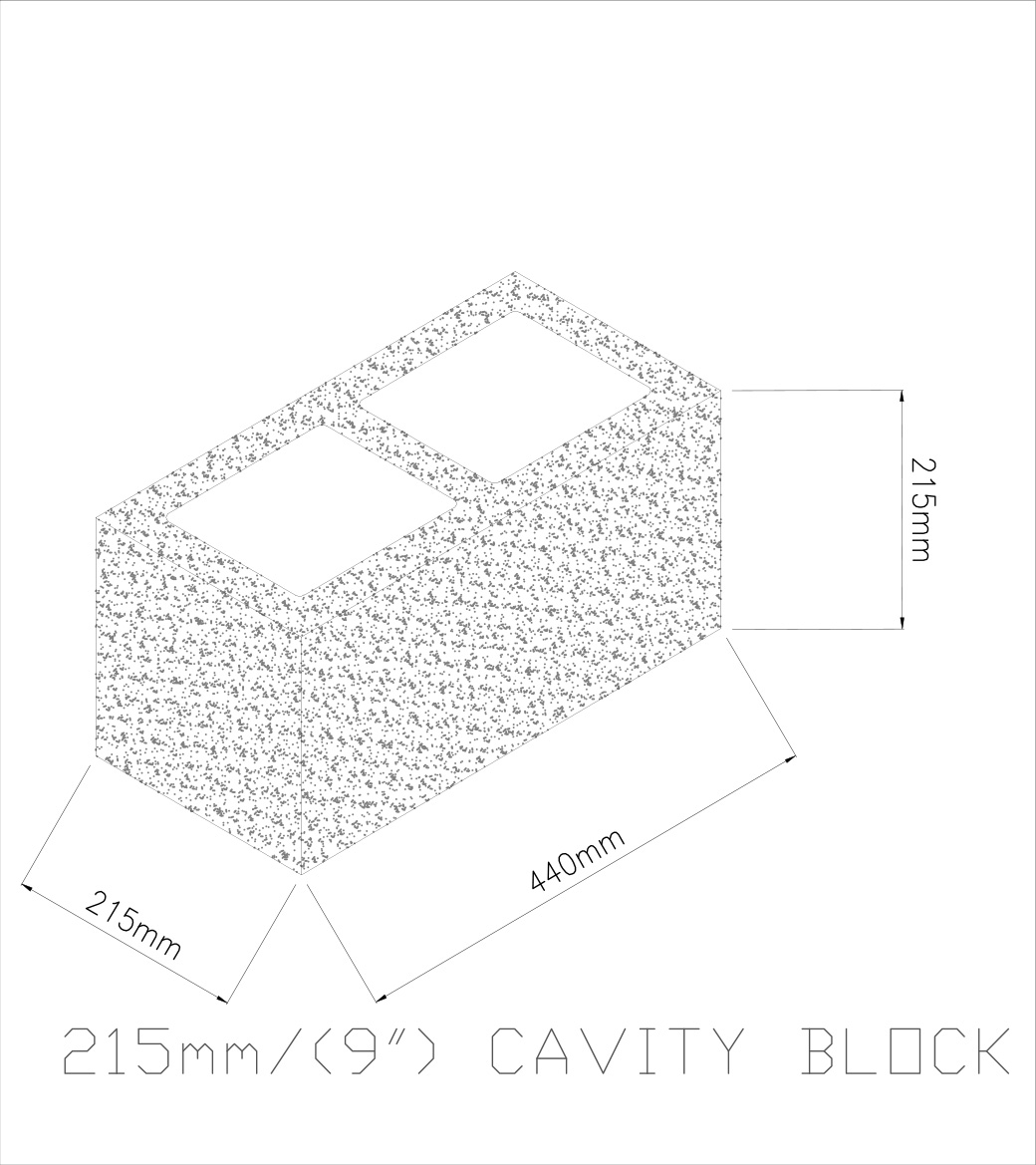
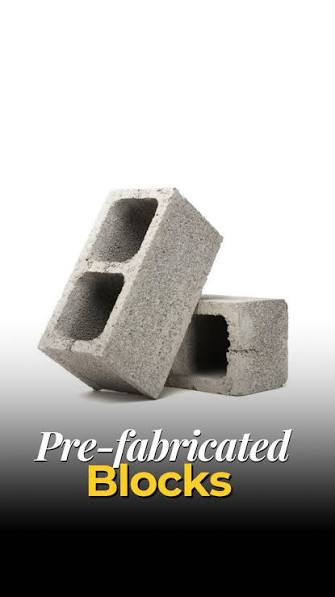
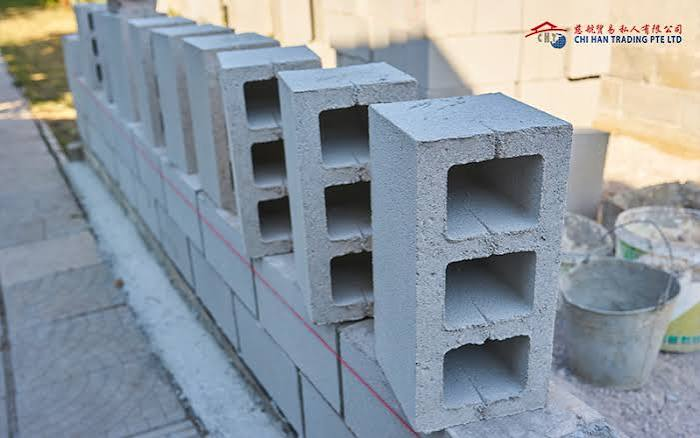
Density Adjustments: Factories modify the recipe depending on the block type. For heavy load-bearing solid blocks, dense aggregates like crushed stone are added. For hollow blocks (which provide thermal and acoustic insulation), lighter components or stone dust are preferred.
Industrial Mixing: Large-scale planetary mixers spin the ingredients into a "dry-mix" concrete consistency. It contains significantly less water than standard poured concrete, giving it a damp, moldable texture similar to wet sand.
2. High-Pressure Molding & Compaction
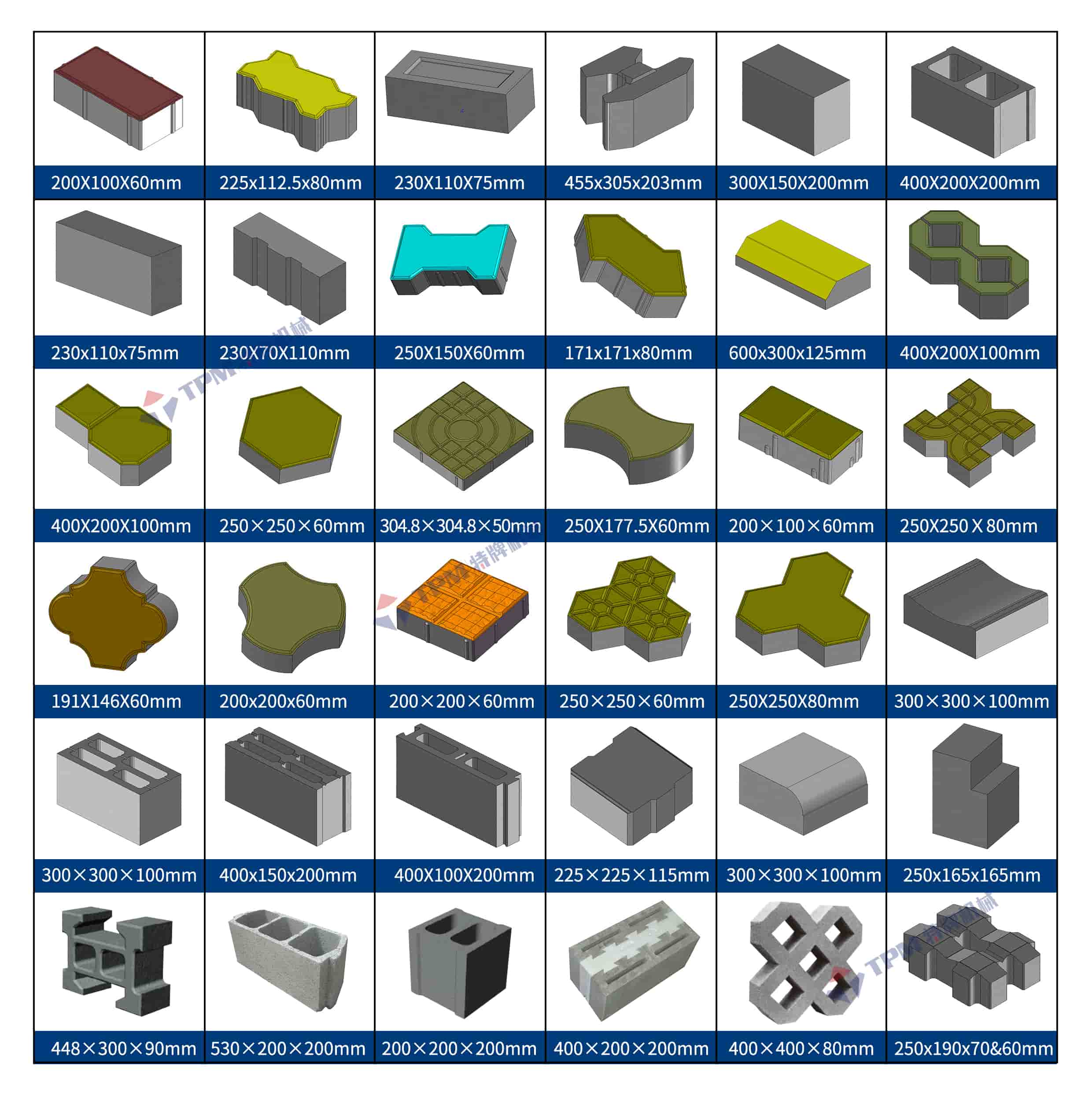
Filling the Matrix: The damp concrete mixture travels along a conveyor belt and drops into heavy steel molds. These molds define the block's eventual shape (e.g., standard rectangular, hollow core, or interlocking).
Simultaneous Force: To ensure maximum density and structural integrity, modern block machines apply two forces simultaneously:
Vibration: Intense mechanical vibration settles the aggregate instantly, eliminating air pockets.
Compression: Hydraulic ram heads compress the mixture from above with massive force.
Demolding: Because the mixture is compacted so densely, the steel molds are immediately lifted away. The fresh blocks—referred to as "green blocks"—retain their precise shape perfectly, even though they are still fragile.
3. Accelerated Steam Curing
The Kiln Treatment: Automated conveyor systems or robotic stackers move the green blocks on metal pallets into massive curing kilns.
Moisture Control: The chambers are injected with steam under strict temperature and humidity controls. This prevents the blocks from drying out too quickly, which would otherwise cause cracking and surface brittleness.
Chemical Hardening: Depending on the setup, manufacturers use low-pressure steam kilns or high-pressure steam autoclaves. This environment accelerates the chemical hydration process of the cement, allowing the blocks to reach their required structural strength in just 12 to 24 hours rather than the weeks required for natural air-drying.
4. Quality Control, Finishing, and Cubing
Rigorous Inspection: Once cured, the hard blocks emerge from the kilns and pass under automated sensors and visual inspectors. Samples from every batch undergo compressive strength testing to ensure they can withstand structural weight.
Surface Finishes: Some specialized batches undergo secondary processing, such as split-facing (splitting a double block to create a rough, rock-like texture for exterior aesthetics) or polishing.
Robotic Cubing: Automated mechanical arms grab rows of finished blocks, nesting them together into tight, interlocking cubes. They are wrapped in plastic film, secured on pallets, and transferred to the yard for shipping directly to construction sites.
Comments (0)
No comments yet. Be the first to share your thoughts.