Hair conditioner is made by combining a water phase and an oil phase using a cationic emulsifier, then adding active ingredients and preservatives.
"Invest in your hair, it's the crown you never take off." "The hair is the richest ornament of women." Martin Luther
Hair conditioner is a moisturizing and protective agent designed to restore the hydration balance, smooth the hair cuticle, and improve the texture, manageability, and overall health of your strands after shampooing
Hair conditioner is manufactured through an emulsion process, blending water and oil phases together using a specialized conditioning emulsifier. Because hair inherently carries a negative electrical charge, manufacturers focus on creating a cationic (positively charged) formula that bonds seamlessly to the hair strands to provide long-lasting smoothness and slip.
Basic Formulation and Ingredients
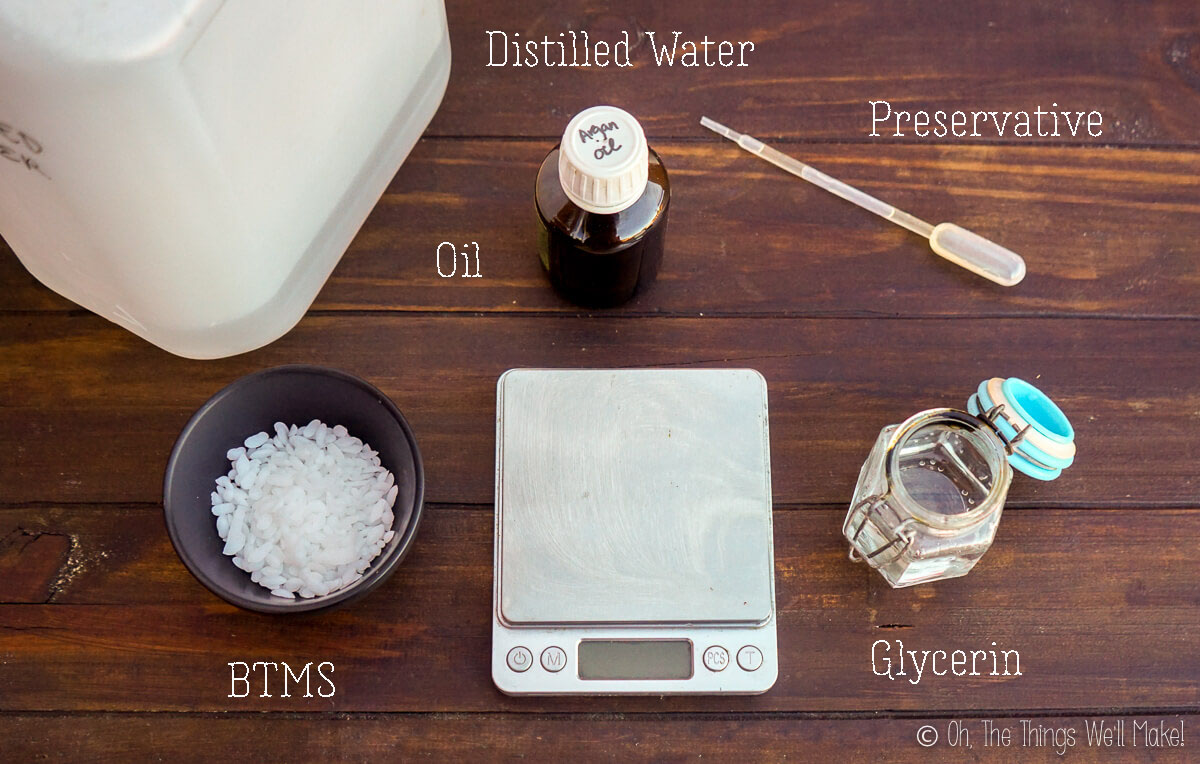
Water Base: Distilled water or herbal hydrosols form the bulk of the product.
Conditioning Emulsifier: Cationic surfactants like BTMS-25 or cetrimonium chloride give the product its positive charge, allowing it to cling to negatively charged hair strands.
Fatty Alcohols: Cetyl alcohol or stearic acid add thickness, creaminess, and stability.
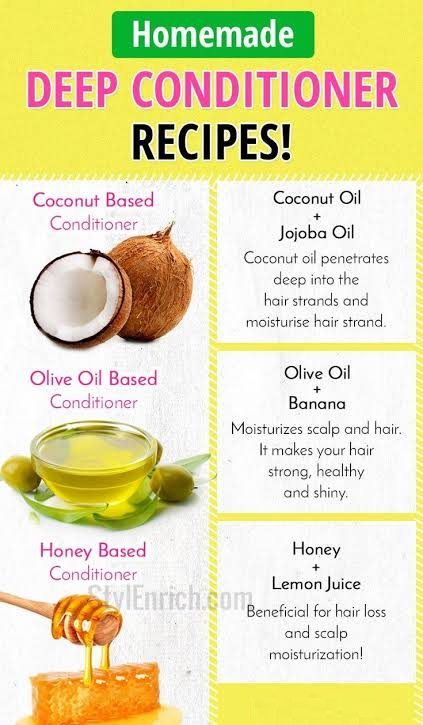
Oils and Butter: Ingredients like coconut oil, argan oil, or shea butter provide moisture and slip.
Additives and Preservatives: Glycerin (humectant), panthenol (vitamin B5), hydrolyzed proteins, and a broad-spectrum preservative.
Water Phase Preparation: Purified or distilled water is measured and heated to a controlled temperature range.
Oil Phase Preparation: Emulsifying wax, fatty alcohols, and carrier oils are melted together in a separate container until fully liquefied.
Emulsification: The oil phase is slowly poured into the heated water phase under controlled, high-speed mixing to create a smooth emulsion.
Cool Down and Actives: Once the temperature drops, heat-sensitive additives like proteins, vitamins, essential oils, and preservatives are blended in.
pH Adjustment and Testing: The pH is tested and adjusted to a mildly acidic range (4.0–6.0) to match the natural scalp barrier and close the hair cuticle Hair conditioner
Here is exactly how commercial factories and advanced formulators produce hair conditioner. 🧪 The Core Elements A standard conditioner relies on four foundational ingredient pillars:
The Water Phase: Purified water or herbal hydrosols make up the bulk of the formula to provide maximum hydration.
The Oil Phase: Fatty alcohols (like cetyl alcohol), emollients, and natural oils coat the hair to seal in moisture.
The Emulsifier: Positively charged surfactants (such as BTMS) that bind the oil and water together so they do not separate.
The Actives & Preservatives: Panthenol (Vitamin B5), hydrolyzed proteins, mild acids, and vital shelf-life stabilizers.
The process begins in massive, jacketed stainless steel blending vessels. Manufacturers use deionized, purified water to prevent microbial growth. The water is pumped into the tank and heated via steam injection to a precise temperature range, usually around 75°C to 80°C.
2. Melting the Oil Phase
In a separate heated vessel or side-tank, the solid waxes, fatty alcohols, and structural lipids are combined. They are heated until they completely melt into a uniform, clear, hot oil mixture.
3. High-Shear Emulsification
Once both phases reach the exact same temperature, the oil phase is carefully drawn into the water tank. The factory tank deploys three styles of agitation simultaneously:
A propeller agitator to keep the large batch moving around the tank.
A scrape surface blades to stop the thick cream from scorching against the heated tank walls.
A high-shear mixer that spins at thousands of RPMs to literally rip the oil droplets apart, forcing them into a perfectly suspended, glossy emulsion.
4. The Cool-Down Phase
After the emulsion successfully forms, the steam heat is turned off, and cold water is circulated through the vessel's jacket to gently cool the mixture. As the temperature drops, the conditioner begins to drastically thicken into its signature creamy texture.
5. Actives, Fragrance, & Preservation
When the batch cools below 40°C, heat-sensitive ingredients are introduced. Adding these too early would destroy them or cause volatile elements to evaporate.
Actives: Proteins, humectants, and vitamins are mixed in to add strength and shine.
Fragrances & Essential Oils: Added late to prevent the scent from boiling off.
Preservatives: Vital elements that stop mold and bacteria from growing in your steamy bathroom environment.
pH Balancing: Technicians test the batch and use mild acids (like citric acid) to ensure a mildly acidic pH of 4.5 to 5.5, which closes the hair cuticle.
6. Testing, Pumping & Packaging
Samples from the batch are sent to an internal lab to verify viscosity, color, scent, and pH metrics. Once approved, positive displacement pumps move the thick conditioner out of the vats through stainless steel pipes into high-speed filling lines, where it is bottled, labeled, and sealed
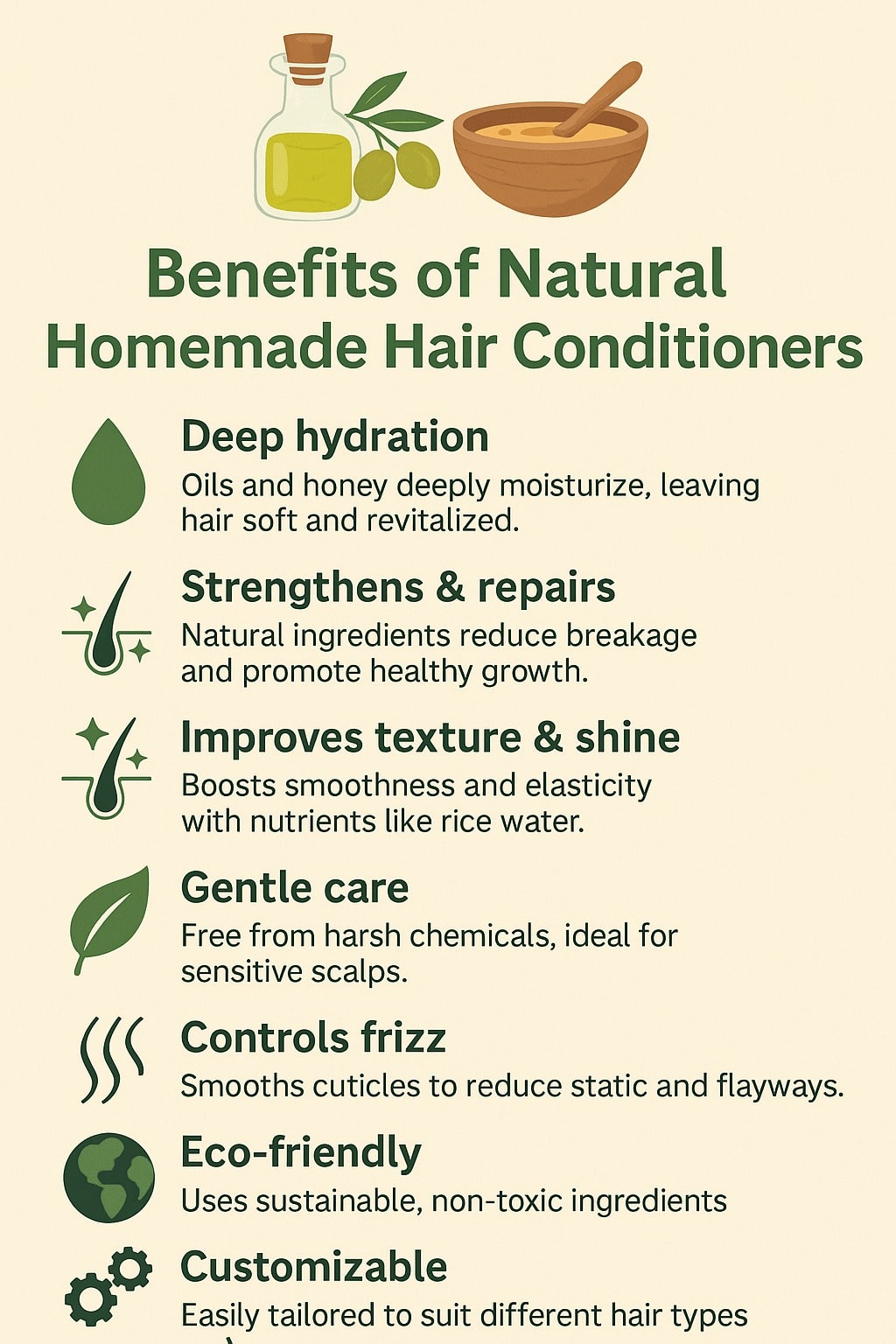
Minimizes Breakage: Deeply hydrates the hair shaft to improve elasticity, leaving strands resilient against daily wear and tear.
Instant Detangling: Lubricates individual strands, making a wide-tooth comb or your fingers glide through effortlessly.
Environmental Protection: Creates a microscopic protective barrier that shields delicate, vulnerable inner fibers from heat styling and pollution.
Mends Split Ends: Contains specialized proteins and polymers that temporarily bind frayed ends together for a smoother look.
🧴 The Four Main Types
Rinse-Out Conditioner: The traditional, lightweight cream applied in the shower directly after shampooing and rinsed out after a few minutes.
Leave-In Conditioner: A lightweight spray or cream applied to damp hair after the shower; it is not rinsed out and provides all-day moisture and detangling.
Deep Conditioner / Hair Mask: A thick, intensive treatment packed with heavy oils, butters, and proteins designed to sit on damaged or dry hair for 10–30 minutes before rinsing.
Cleansing Conditioner (Co-Wash): A formula that uses a tiny amount of mild conditioning agents to gently refresh hair texture while preserving natural oils, popular for curly hair communities.
Comments (0)
No comments yet. Be the first to share your thoughts.
Comments (0)
No comments yet. Be the first to share your thoughts.