Powder detergent is manufactured in large factories using three main processes: spray drying, agglomeration, or dry mixing. The most common industrial method uses a tall spray-drying tower to transform a liquid mixture of surfactants, builders, and fillers into hollow, uniform cleaning granules. ▶ Watch the video
Essential Raw Materials for commercial purpose
Soda Ash Light: Acts as the primary dry base and alkaline builder.
Sulfonic Acid (LABSA): The active surfactant and main foaming/cleaning agent.
Sodium Sulfate: A cost-effective filler that bulks up the product weight.
STPP (Sodium Tripolyphosphate): Softens hard water and boosts cleaning power.
Additives: Optional color speckles, optical brighteners, and liquid fragrance.
or
Key Ingredients
Surfactants (e.g., LAS): Active cleaning agents that lift oil and dirt.
Builders (e.g., Soda Ash, STPP): Soften hard water and maintain alkalinity.
Fillers (e.g., Sodium Sulfate): Provide bulk volume and keep the powder free-flowing.
Additives: Enzymes, optical brighteners, and fragrances for performance and scent.
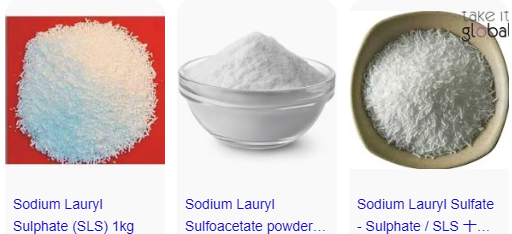
Home made formula Basic ratio is mixing of Soda ash , SLS and Borax in ratio 2:1:2 and also adding your favourite fragrant ▶ Watch the video of home made formula
For a standard DIY multi-purpose powdered detergent or cleaning mix, a reliable ratio by weight or volume is 2 parts Soda Ash (sodium carbonate), 2 parts Borax (sodium tetraborate), and 1 part SLS (sodium lauryl sulfate powder). A common batch measurement is 1 cup Soda Ash, 1 cup Borax, and ½ cup SLS with fragrant of your choice, you can add fillers like sodium sulfate to increase the yield and quantities. "SLS powder" most commonly refers to Sodium Lauryl Sulfate, a chemical foaming agent SLS powder (Sodium Lauryl Sulfate) is a powerful surfactant, foaming agent, and emulsifier used to remove oil and dirt, create a rich lather, and mix ingredients. It is widely used in personal care items like shampoo and toothpaste, household detergents, and industrial cleaners.
Sodium Lauryl Sulfate (Chemical & Cosmetic)
What it is: A powerful soap and cleaning chemical made from coconut or palm oil.
Where it is used: Shampoos, toothpaste, body washes, and house cleaners.
What it does: Breaks down oil and creates a thick, foamy lather.
Soda ashSoda ash is the common name for sodium carbonate (Na₂CO₃), a white, odorless, water-soluble salt. It yields a basic, alkaline solution in water and is widely used in glass manufacturing, commercial cleaning products, water treatment, swimming pool pH adjustment, tie-dyeing fabrics, and food preparation. Common Uses
Glass Making: Acts as a flux to lower the melting point of silica.
Cleaning and Laundry: Serves as a water softener and heavy-duty grease cutter (often called washing soda).
Tie-Dyeing: Pre-soaking fabrics in a soda ash solution changes the fiber pH, allowing fiber-reactive dyes to permanently bond.
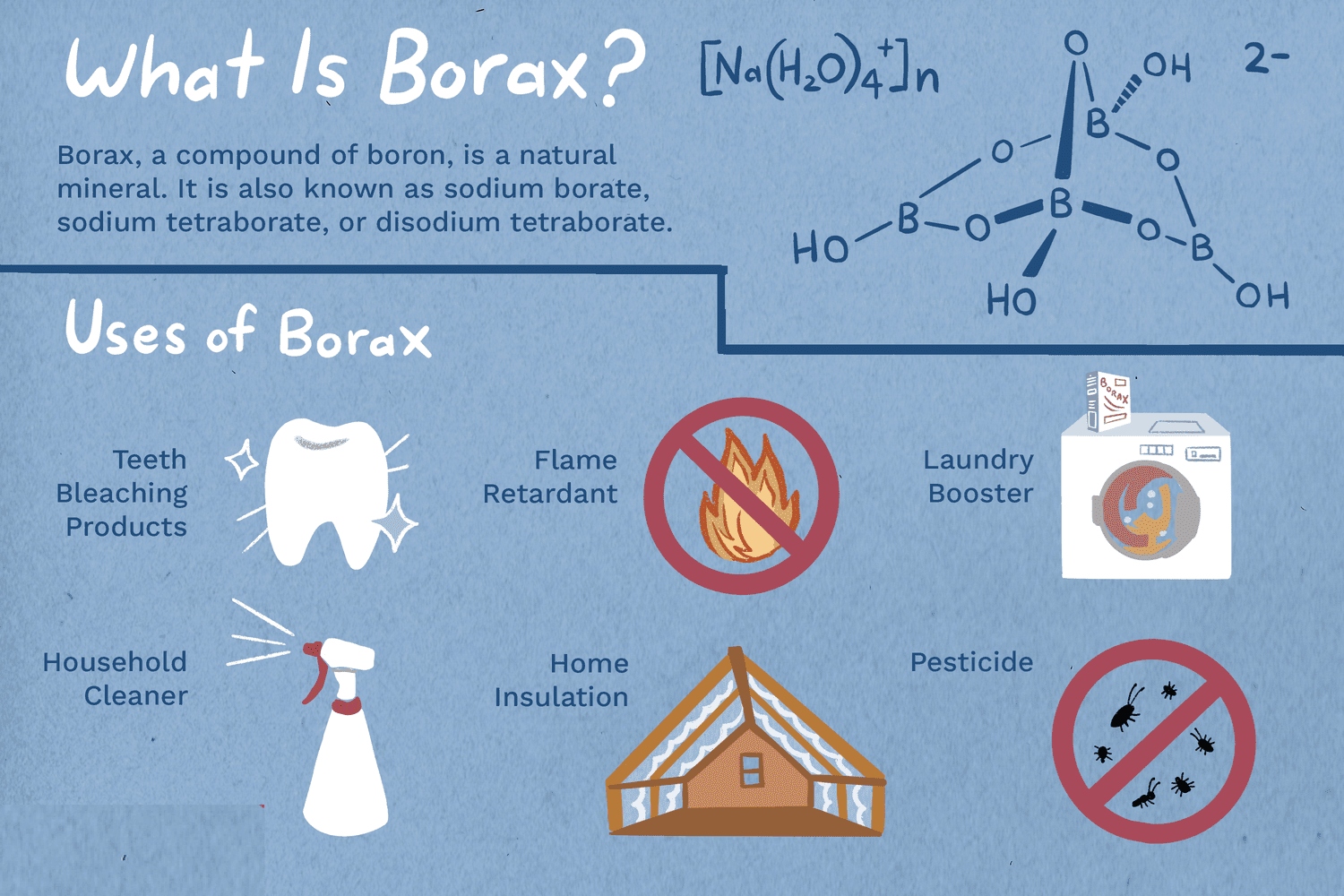
Borax, Borax, also known as sodium tetraborate or sodium borate, is a natural mineral powder made of sodium, boron, and oxygen. It dissolves easily in water and is widely used as a household cleaner, laundry booster, and craft ingredient for making slime Common Uses
Cleaning: Removes stains, grease, and mold from household surfaces.
Laundry: Softens hard water and helps soap clean clothes better.
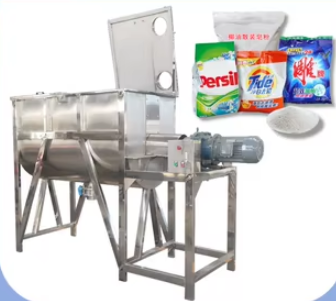
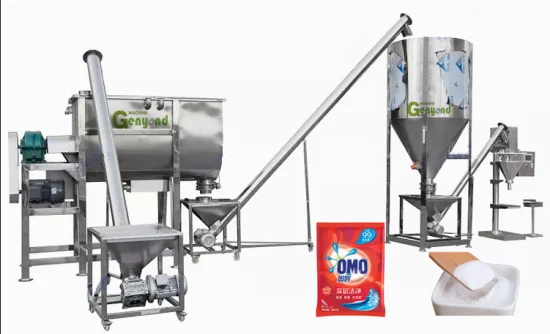
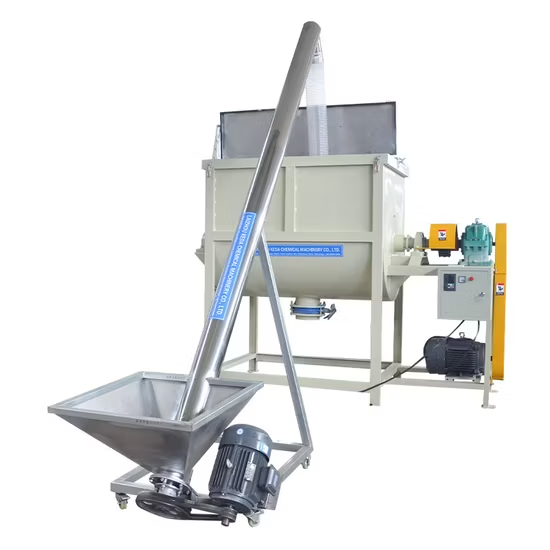
Equipment Upgrades: While small batches can be hand-mixed, scaling up requires a cage mill for crushing lumps, a ribbon blender or ploughshare mixer for uniform blending, and a semi-automatic weighing and sealing machine.
Quality Control: Test your powder in local water conditions to ensure it dissolves cleanly, foams adequately, and doesn't cake up in humidity.
Compliance: Check local regulations for safety data sheets (SDS), business registration, and environmental or trade permits required for chemical handling

Comments (0)
No comments yet. Be the first to share your thoughts.