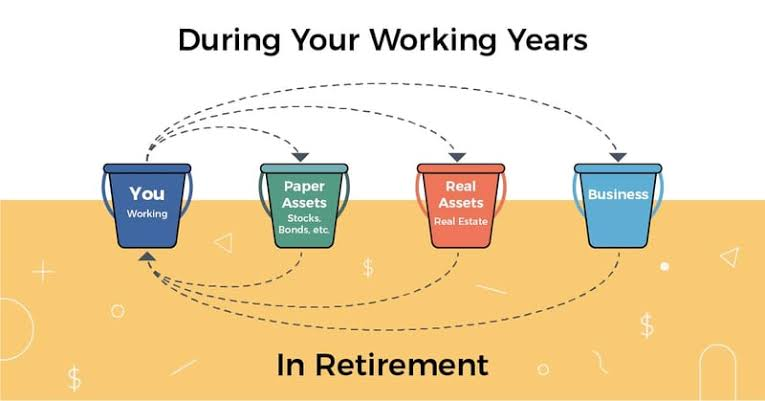
To become a capitalist—someone who makes money from owning assets and businesses rather than just trading labor for a wage—shift from a consumer mindset to an owner mindset. Over 10 years, save aggressively, live below your means, and channel your funds into appreciating assets like stocks, real estate, or your own business.
To become a true capitalist in 10 years, you must systematically shift from selling your labor for money to owning cash-flowing assets that work for you.
1. Get some capital no matter how small
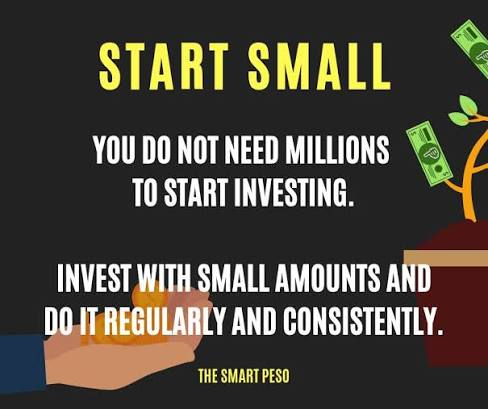
You can start building capital from scratch by selling your skills, pre-selling services, or bootstrapping with micro-tasks. Start small in a smart way
2. Own the means of production and services, no matter how small.
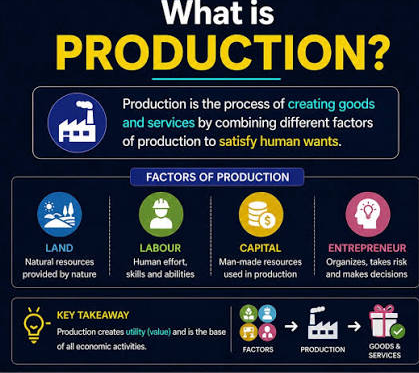
Owning the means of production and services means holding direct control over the physical and digital tools, equipment, and resources used to create economic value, which lets you keep the fruits of your labor instead of selling your time for a wage capitalism is the ability to control the means of production
3.Treat yourself as a company - try and grow every year.
To treat yourself as a company designed to grow every year, you must shift your mindset from being a passive employee or bystander to operating as the CEO, CFO, and R&D department of "You, Inc." High performers unlock rapid development by treating their personal and professional life as a high-value business asset. Treat yourself like a business
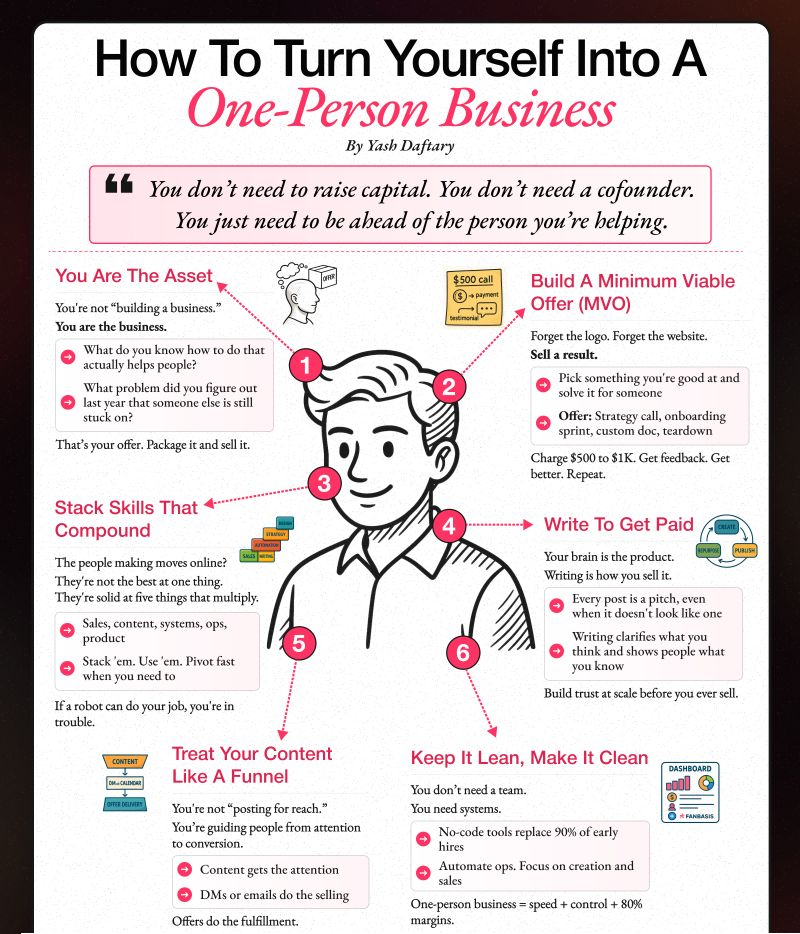
4. Turn yourself into a company(fulfil all contractual agreements) You can turn yourself into a one-person enterprise by packaging your unique skills and solving a specific, real-world problem
5.. Create multiple income streams for yourself and others (invite shareholders and investors) Warren Buffett ways
Multiple income streams 6. Diversify as you progress (Elon Musk ways) To maximize your growth and build long-term resilience, you should diversify your skills, income streams, and network as you progress through your personal and professional life. Relying on a single skillset or a single source of revenue creates vulnerability, whereas strategic diversification unlocks new opportunities and provides a safety net.
Being flexible in business means quickly adapting your operations, strategies, and work policies to meet changing market conditions and employee needsFelxibility
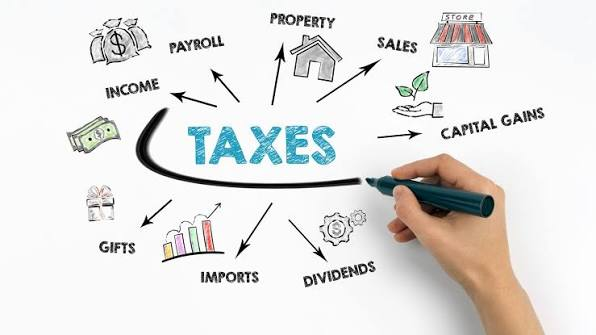
8.Minimise your taxes and exposures, but give Government her own shares, make Government your friend.
To minimize your taxes and financial exposure legally, you must lower your taxable income using allowable deductions, exemptions, and strategic timing.
Cut consumer debt: Stop paying high interest on credit cards or personal loans.
Live on less: Save 30% to 50% of your income by lowering major expenses.
Build an emergency fund: Keep 3 to 6 months of cash safe for sudden problems.
Increase your active income: Learn high-value skills at your job or start a side hustle.
Years 4-7: Acquire Income-Producing Assets
Buy stocks or index funds: Put your savings into broad market funds that pay dividends and grow over time.
Invest in real estate: Save for a down payment on a property that brings in rental income.
Start or buy a small business: Use your capital to build an operating system that makes money without your daily physical labor.
Years 8-10: Scale and Compound
Reinvest returns: Do not spend your dividends or rental profits. Buy more assets.
Automate your systems: Let your investments run on autopilot so your money works harder than you do.
Shift your identity: View yourself as a business entity and portfolio manager rather than an employee path to capitalism
🗒 Phase 1: The Foundation & Capital Aggregation Before you can deploy capital, you must aggressively harvest it from your primary source of economic leverage: your labor. 📈 Phase 2: Equity Leverage & Scale You cannot achieve true capitalist velocity solely by saving a standard salary. You must acquire or build concentrated equity.
Build an Equity-Generating Engine: Start a side business, acquire an e-commerce asset, or consult. The goal is to own 100% of an entity where profits can scale without a linear increase in your working hours.
Intrapreneurship & Stock Options: If you remain employed, negotiate for equity-based compensation (RSUs, stock options, or profit-sharing). Ensure your financial upside is tied to enterprise growth, not just a flat hourly wage.
Exploit Asymmetric Risk: Dedicate a small, controlled portion of your capital to high-upside plays—such as angel investing in early-stage startups or funding a small local franchise—where the potential return is multiples of your initial stake.
💡 Phase 3: Real Estate & Cash-Flow Moats , create an ecosystem
As your capital pools mature, shift your focus from raw growth to capital preservation, tax efficiency, and reliable cash generation. Acquire Leveraged Real Estate: Use commercial or residential real estate to build a durable cash-flow moat. Real estate allows you to use cheap bank debt to control a large asset, utilizing tenant rent to pay down your liabilities while claiming structural tax deductions.
Expose Hidden Costs & Fees: Audit your entire ecosystem. Optimize your investments for tax efficiency
Reinvestment Automation: Transition all dividend-paying assets to automatic reinvestment programs (DRIPs). At this stage, your assets should regularly generate enough internal liquidity to purchase more assets without requiring external capital injections.
Comments (0)
No comments yet. Be the first to share your thoughts.






Comments (0)
No comments yet. Be the first to share your thoughts.