That pair of jeans in your wardrobe was never supposed to become a fashion statement.
Take a look inside your wardrobe.
There is a good chance you have at least one pair of jeans.
Maybe they're your “good jeans.”
Maybe they're the pair you wear when you don't know what else to wear.
Maybe they're ripped, oversized, skinny, straight-leg, baggy, dark blue, light blue, or somehow all of the above.
But here's the strange part:
Jeans were never created to become fashionable.
They were created because people needed trousers that could survive hard work.
And somehow, those tough work trousers travelled from mines and workshops into classrooms, music concerts, offices, runways and almost every corner of the world.
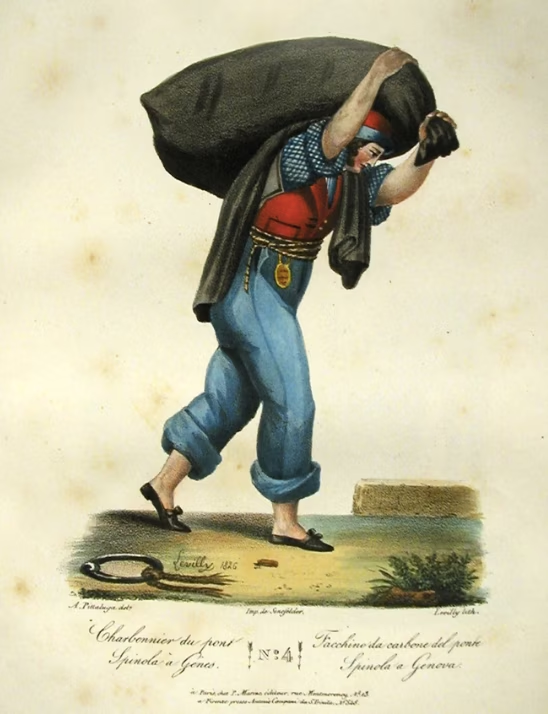
In the nineteenth century, workers needed clothing that could withstand rough conditions.
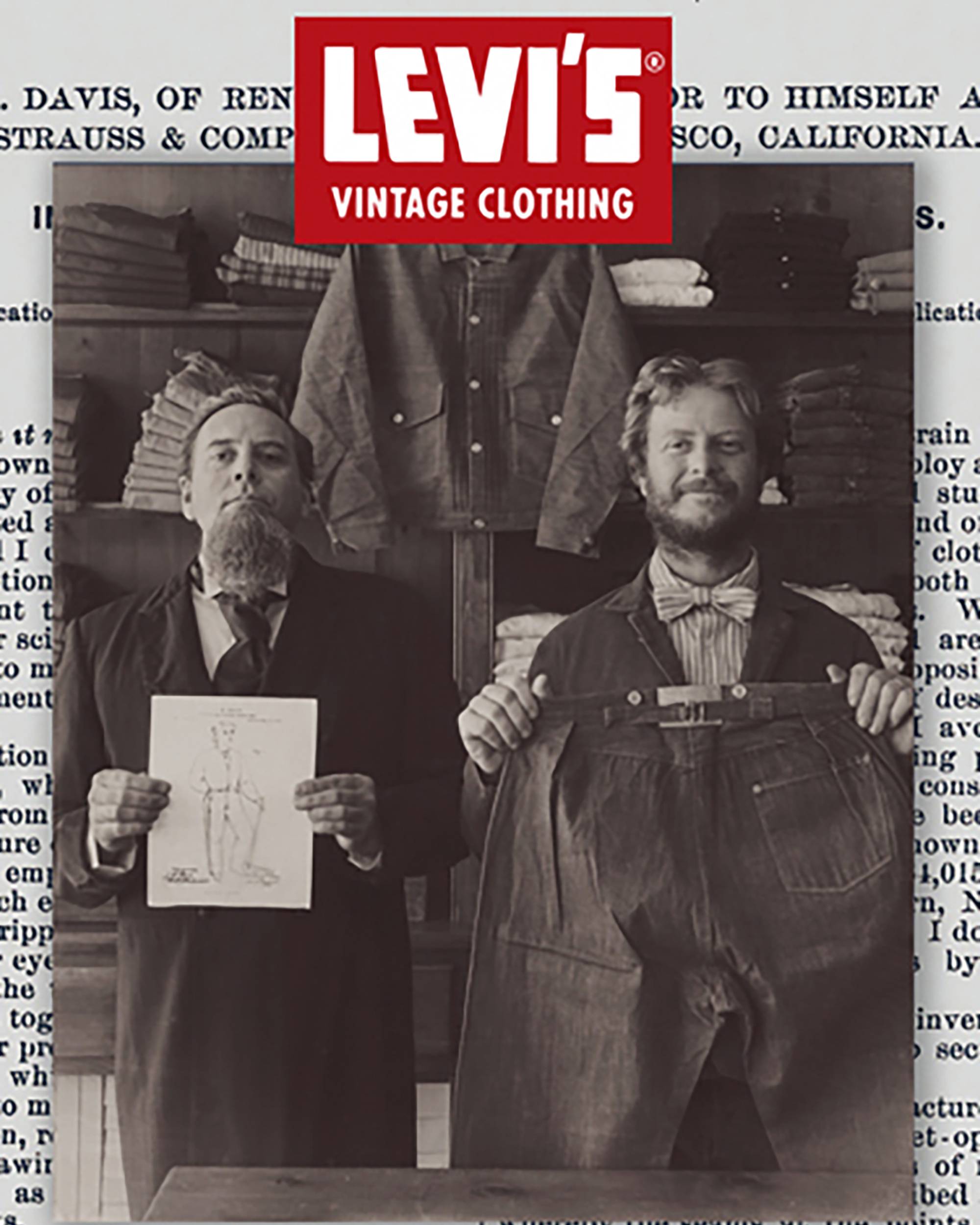
Tailor Jacob Davis, working in Nevada, was making trousers for labourers, including miners, whose pockets and seams were constantly tearing.
He came up with the idea of reinforcing the vulnerable points of trousers with copper rivets.
Davis then partnered with businessman Levi Strauss, and in 1873 they received a U.S. patent for riveted work pants.
The early trousers were practical.
They weren't designed to make someone look cool.
They were designed to last.
FROM THE WORKPLACE TO THE WORLD
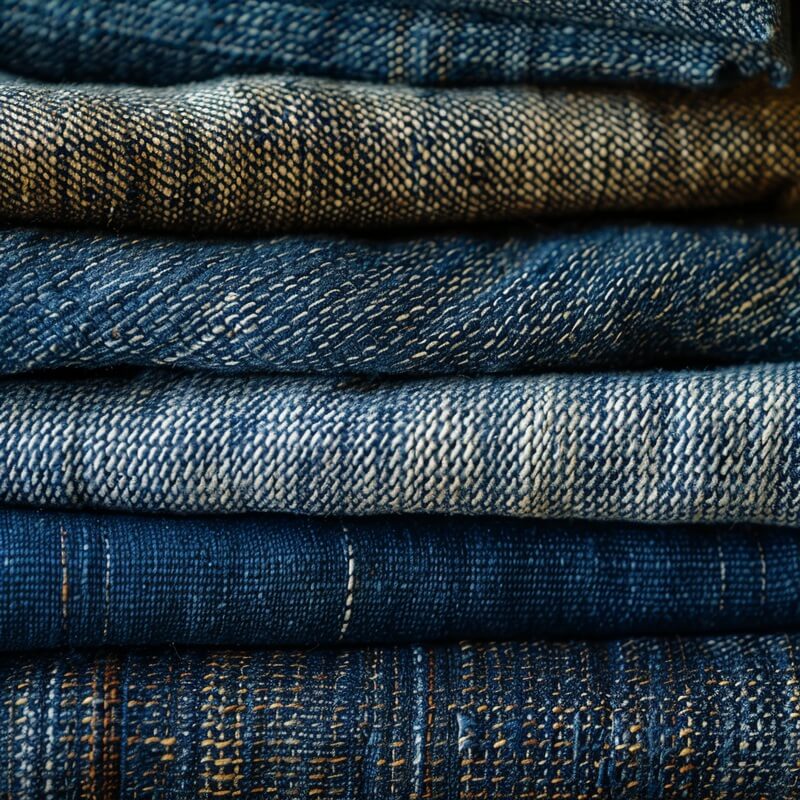
DENIM. The durability of denim made it useful for miners, labourers, cowboys and other workers.
But then something interesting happened.
The meaning of denim began to change.
Film and television helped turn the rugged image of denim into something more glamorous and rebellious.
Hollywood cowboys wore it.
Young people embraced it.
Musicians wore it.
Rebels wore it.
And gradually, jeans stopped saying only:
“I work hard.”
They also began saying:
“I'm independent.”
“I'm young.”
“I'm different.”
“I'm comfortable being myself.”
The Smithsonian describes this transformation as one in which denim moved from nineteenth-century workwear into a symbol associated with youth, rebellion, sexuality and changing ideas of “cool.”
THEN FASHION GOT INVOLVED
Eventually, denim wasn't just something you bought because it was practical.
It became something you bought because you liked the way it looked.
Designers began experimenting with denim.
Different cuts appeared.
Different washes.
Different silhouettes.
Different finishes.
And eventually, denim entered the world of high fashion.
The same material that once belonged primarily to workers could now appear in designer collections.
That's quite a journey.
WHY DID JEANS SURVIVE?
Maybe it's because jeans managed to do something very few pieces of clothing can do.
They adapted.
You can dress them up.
You can dress them down.
You can wear them to a casual outing.
You can pair them with sneakers.
You can pair them with heels.
You can wear them oversized or fitted.
You can make them look expensive or effortless.
And unlike many fashion trends, jeans never completely disappeared.
They simply kept changing.
THE CLOTHING THAT LEARNED HOW TO CHANGE
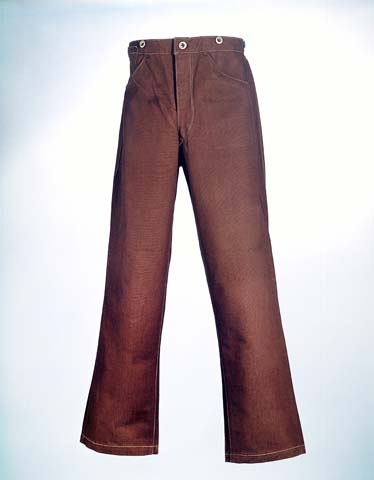
THE PANTS. Perhaps that's the real reason jeans became so powerful.
They didn't remain trapped in the identity they were born with.
They evolved with society.
Workwear became casualwear.
Casualwear became youth culture.
Youth culture became mainstream fashion.
And mainstream fashion eventually became luxury.
So the next time you put on your favourite pair of jeans, remember:
You're not simply wearing trousers.
You're wearing a little piece of fashion history.
A garment that began as a solution to a practical problem eventually became one of the most recognizable items in modern wardrobes.
Comments (1)
Great article