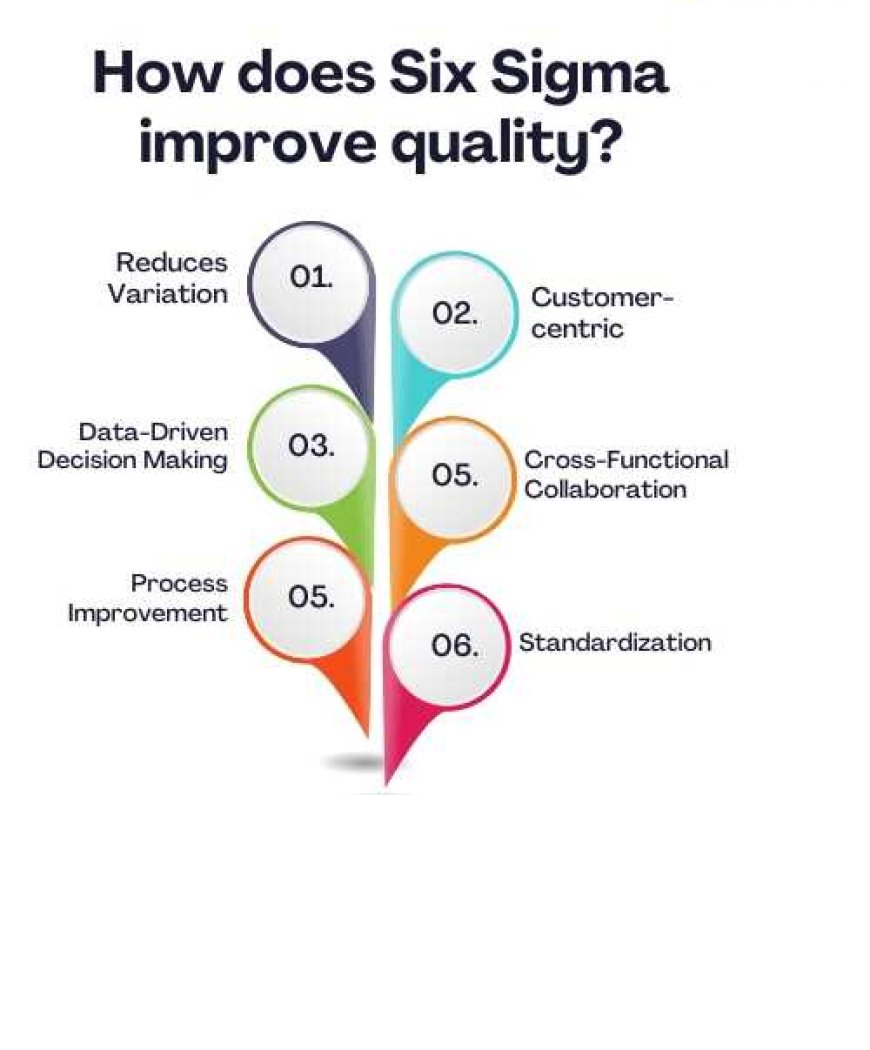
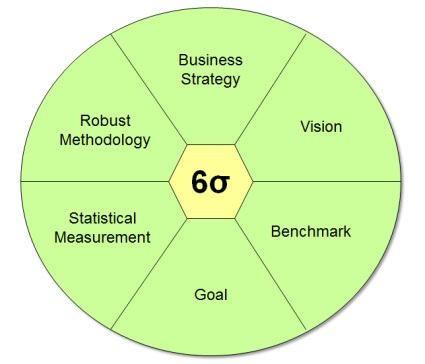
Six Sigma is a data-driven methodology that drives organizational growth by reducing process variation, eliminating waste, and improving overall operational quality.
"Measurement is the first step that leads to control and eventually to improvement. If you can't measure something, you can't understand it." ( James Harrington )
Joseph M. Juran (Quality Pioneer): "Without a standard, there is no logical basis for decision making or taking action."
Pande, Neuman, and Cavanagh (Authors of The Six Sigma Way): "Six Sigma is uniquely driven by close understanding of customer needs, disciplined use of facts, data, and statistical analysis.
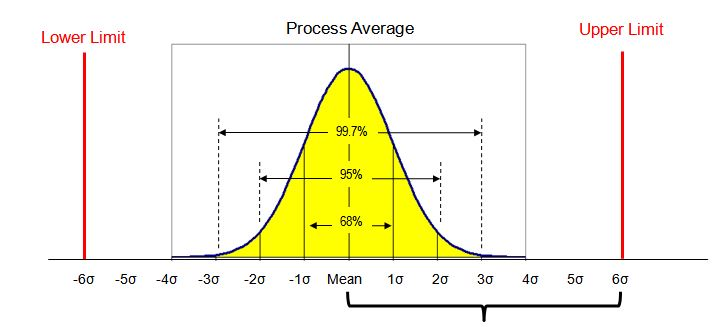
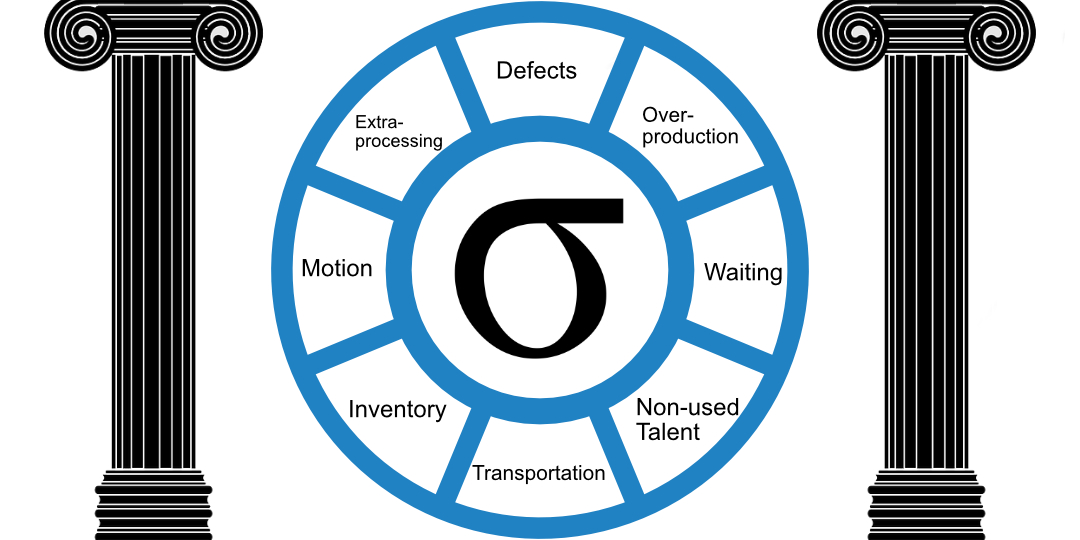
Key Differences and Focus Areas Lean: Asks "Are we doing the right things efficiently?" by targeting the 8 types of waste (DOWNTIME: Defects, Overproduction, Waiting, Non-utilized talent, Transportation, Inventory, Motion, Excess processing). Six Sigma: Asks "Are we doing things correctly and consistently?" by minimizing process variation to achieve near-perfect output (no more than 3.4 defects per million opportunities).
Originally developed by Motorola in the 1980s, its ultimate performance benchmark is to achieve a quality level of 3.4 defects per million opportunities (DPMO). By shifting an organization from reactive guesswork to fact-based decision-making, Six Sigma directly impacts financial performance and scales business capability.
Success requires a structured hierarchy of certified experts:
Yellow Belt: Provides basic awareness for all general employees.
Green Belt: Trains staff to manage small improvement projects alongside daily duties.
Black Belt: Dedicates full-time focus to leading complex problem-solving projects.
Master Black Belt: Coaches teams, oversees training, and ensures strategic alignment across the enterprise. 6 Sigma Key Drivers of Organizational Expansion
Six Sigma serves as a strategic engine for sustainable business expansion through several distinct mechanisms:
Bottom-Line Financial Gains: By identifying and eliminating non-value-adding steps, organizations significantly lower operational costs, boost profit margins, and free up capital to reinvest in growth initiatives.
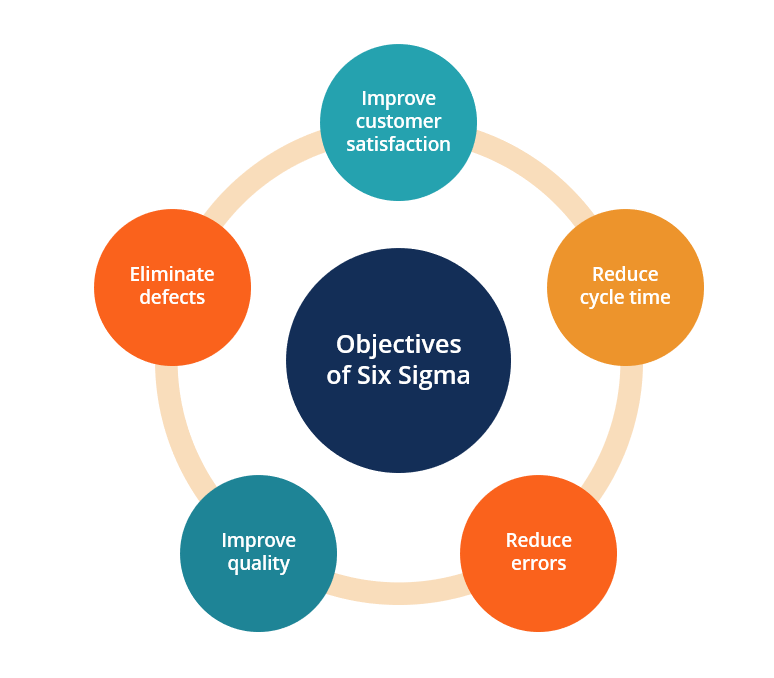
Enhanced Customer Loyalty: Reducing errors and process cycles leads to consistent, high-quality output. This builds immense brand trust, boosts retention rates, and accelerates organic market growth.
Cultural and Structural Infrastructure: True Six Sigma success relies on a structured deployment strategy rather than isolated projects. It instills a cross-functional hierarchy of certified experts—Champions, Master Black Belts, Black Belts, and Green Belts—who drive continuous improvement and remove operational roadblocks globally.
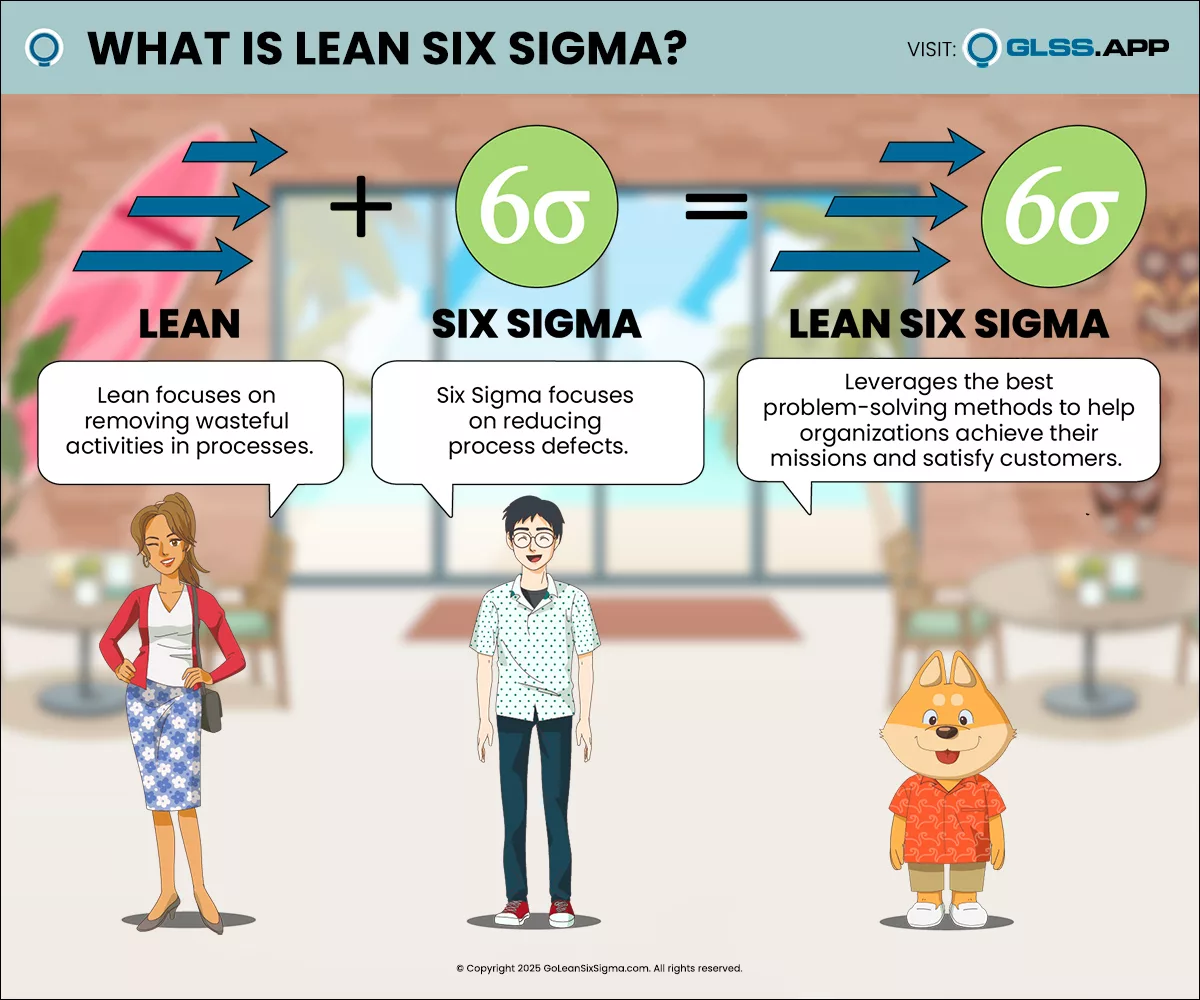
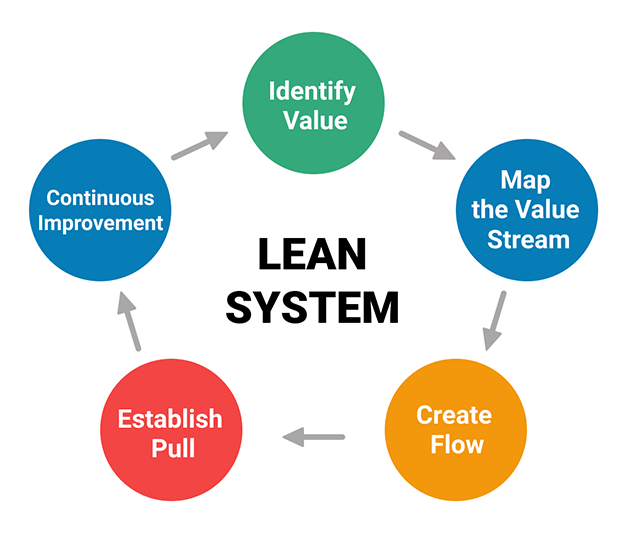
Lean Six Sigma Integration: Modern expanding enterprises frequently combine Six Sigma’s data-driven variance reduction with Lean manufacturing principles. This hybrid approach targets both speed ( Lean waste removal) and accuracy (Six Sigma quality control) simultaneously.
Lean growth relies on maximizing customer value by eliminating "DOWNTIME"—the acronym for the eight major operational wastes:
Defects: Time and resources spent correcting product or data errors.
Overproduction: Making more than the customer demands or making it too early.
Waiting: Idle time spent waiting for information, approvals, or materials.
Non-Utilized Talent: Failing to engage employees or leverage their skills.
Transportation: Unnecessary movement of items, files, or materials.
Inventory: Excess raw materials or unproccesed work-in-progress sitting idle.
Motion: Unnecessary physical movement of people or equipment.
Extra-Processing: Doing more work or adding more features than the customer requires
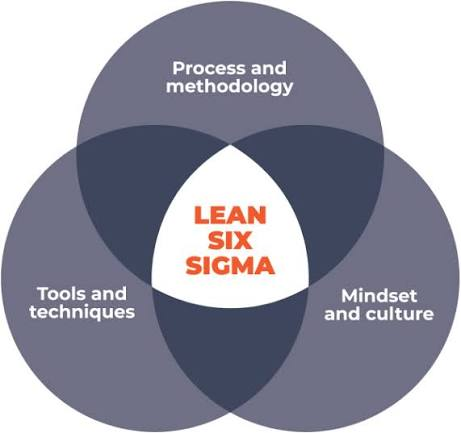
Improvement and Efficiency Lean Six Sigma combines Lean (focusing on waste reduction and speed) and Six Sigma (focusing on reducing defects and process variation) to drive organizational growth and operational excellence
Benefits for Organizational Growth
Higher Efficiency: Streamlines workflows and reduces operating costs.
Better Quality: Minimizes error rates and standardizes high performance.
Increased Profitability: Delivers faster customer value while using fewer resources. Boosts Profit Margins: By stripping out waste and minimizing the costs of rework, raw material loss, and labor inefficiencies, organizations directly improve profitability.
Enhances Customer Retention: Consistently delivering defect-free products and faster service drastically improves customer satisfaction and brand loyalty.
Creates Scalable Frameworks: Standardizing work procedures allows businesses to replicate success across new branches, regions, or product lines smoothly.
Builds a Continuous Improvement Culture: Moving through the "Belt hierarchy" (Yellow, Green, Black, and Master Black Belt) builds a workforce with an analytical mindset, equipped to solve operational roadblocks proactivel
Comments (0)
No comments yet. Be the first to share your thoughts.


Comments (0)
No comments yet. Be the first to share your thoughts.