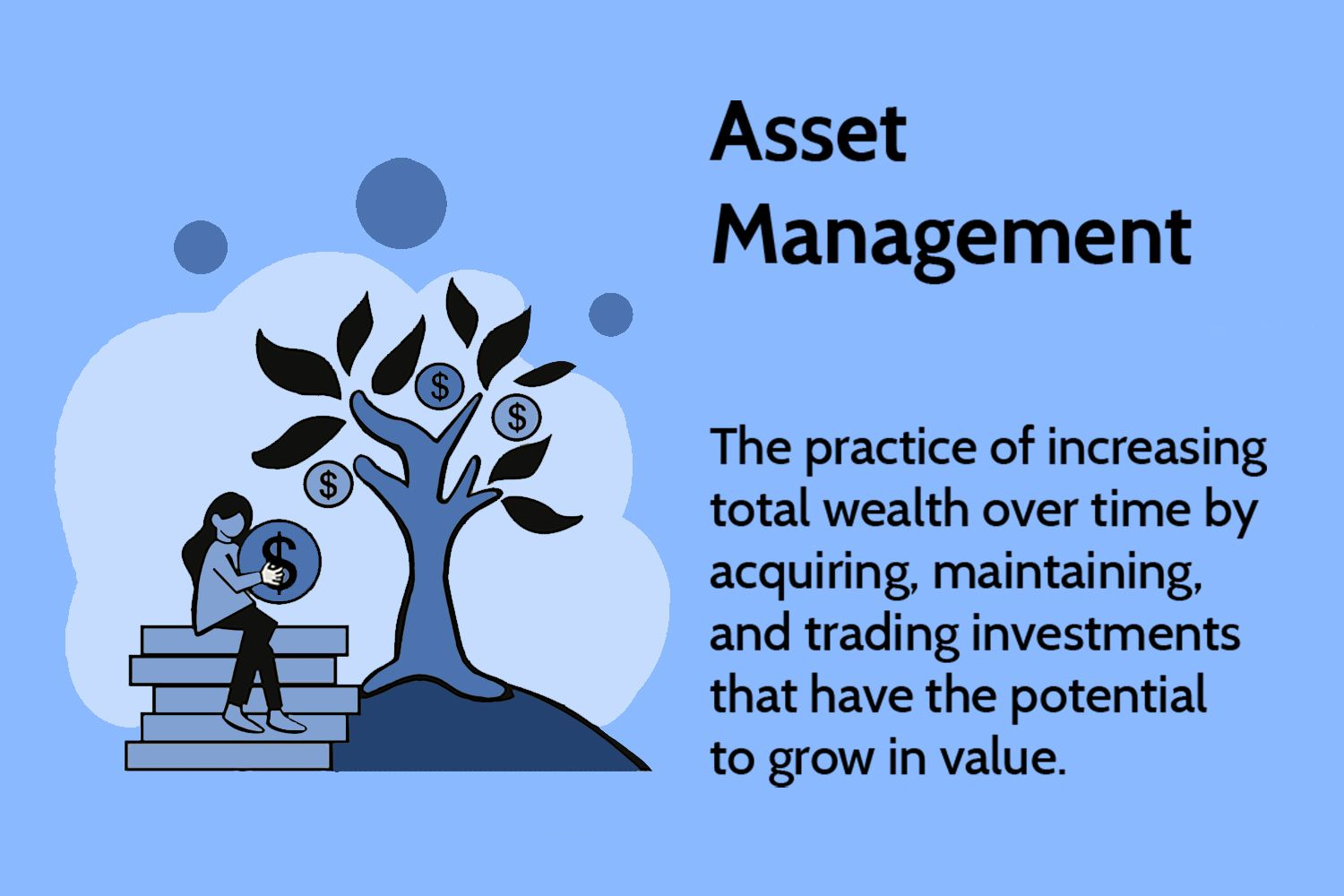
Organizational growth relies on the continuous interplay between capital accumulation (increasing the total pool of financial, physical, human, and social assets) and asset management (deploying and monitoring those resources efficiently to generate returns and mitigate risk).
Organizational growth relies on the dual engines of capital accumulation and strategic asset management. Together, they ensure a company can fund expansion, mitigate risks, and maximize long-term shareholder value.
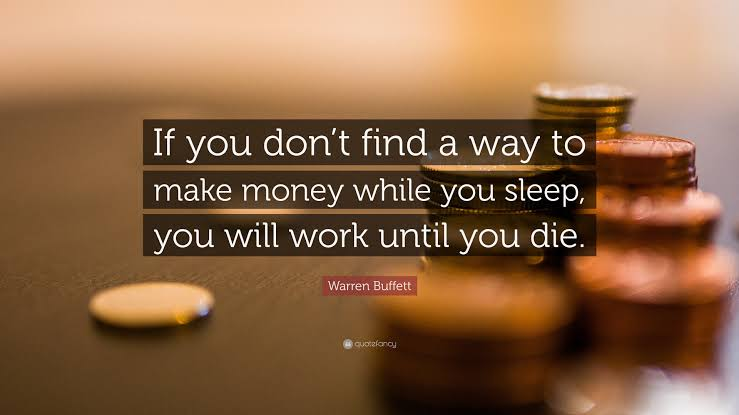
Carlos Slim (Business Magnate) "All investment in businesses must be made with a long-term vision. Profits should not be distributed too early; reinvestment is the engine of sustained corporate growth."
Thomas Piketty (Economist) "When the rate of return on capital significantly exceeds the growth rate of the economy, capital accumulates faster than output increases, compounding the power of established organizations." "Until a business returns a profit that is greater than its cost of capital, it operates at a loss." - Peter Drucker Peter Drucker (Management Consultant & Author) "Efficiency is doing things right; effectiveness is doing the right things Larry Fink (CEO, BlackRock) "Asset management is not just about defending capital; it is about allocating it to where it can create the highest sustainable value for the future." Ray Dalio (Founder, Bridgewater Associates) "To grow an organization, you must build a beautiful machine. Assets are just the parts of that machine, but your culture and your processes are the mechanics that make them yield returns."
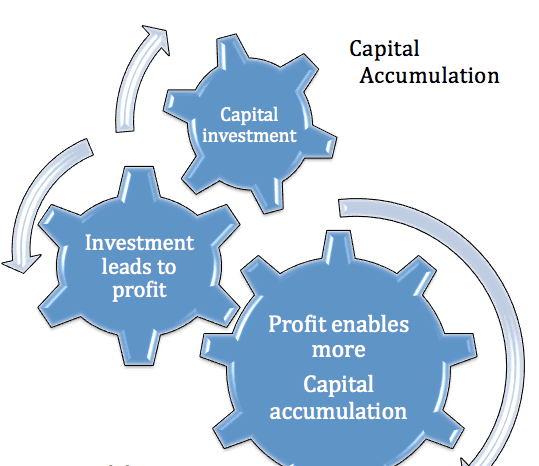
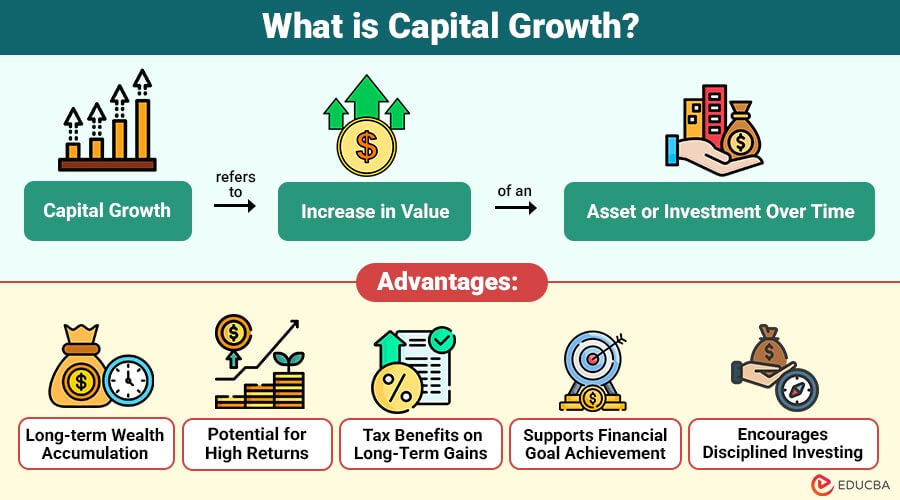
Capital accumulation is the process of building wealth and expanding the productive base of a company through savings, profits retention, and external or internal investments.
Retained Earnings & Reinvestment: Directing net profits back into research, development, equipment, or scaling operations rather than paying them entirely out as dividends.
Working Capital & Cash Flow: Managing short-term inflows and outflows so that daily operations continuously feed surplus funds into long-term expansion.
Human and Social Capital: Upgrading workforce skills through training, building institutional knowledge, and strengthening brand equity or stakeholder trust.
Tangible vs. Intangible Growth: Balancing physical assets (machinery, real estate, technology infrastructure) with intangible assets (patents, software, proprietary processes).
Asset management ensures that accumulated capital is deployed with optimal productivity, minimizing waste and managing the capital cycle.
Working Capital Optimization: Balancing inventory levels, accounts receivable, and accounts payable to keep the cash conversion cycle short and liquid.
Capital Budgeting & Allocation: Evaluating the Return on Invested Capital (ROIC) for new projects to ensure invested funds yield more than the cost of capital.
Risk & Gearing Management: Structuring debt and equity (capital gearing) wisely so leverage accelerates growth without exposing the firm to insolvency during downturns.
Productivity & Total Factor Productivity (TFP): Ensuring physical and financial assets are organized smartly—technology and workflows often multiply output even without massive new capital injections.
[ Capital Accumulation ] ── Gives the cash to buy ──> [ Strategic Assets ]
          ▲                                                    │
          │                                                    ▼
   [ Future Growth ] <── Reinvests profits from ── [ Maximum Efficiency ]
Fueling the Engine: Capital accumulation provides the financial runway needed to acquire high-value, income-producing assets.
Driving Efficiency: Asset management ensures those acquired pieces run efficiently, preventing wasted capital and boosting profitability.
The Flywheel Effect: Efficient assets generate higher revenue and net margins, which flows directly back into capital accumulation, funding the next phase of organizational growth.
Comments (0)
No comments yet. Be the first to share your thoughts.
Comments (0)
No comments yet. Be the first to share your thoughts.