Business
The Business That Sells Nothing Is Still Making Money
September 28, 2026 · 19 views ·by Emma-Golden
The Business That Sells Nothing Is Still Making Money
What exactly are you selling?
A product?
A service?
A course?
A subscription?
Or something people cannot physically hold at all?
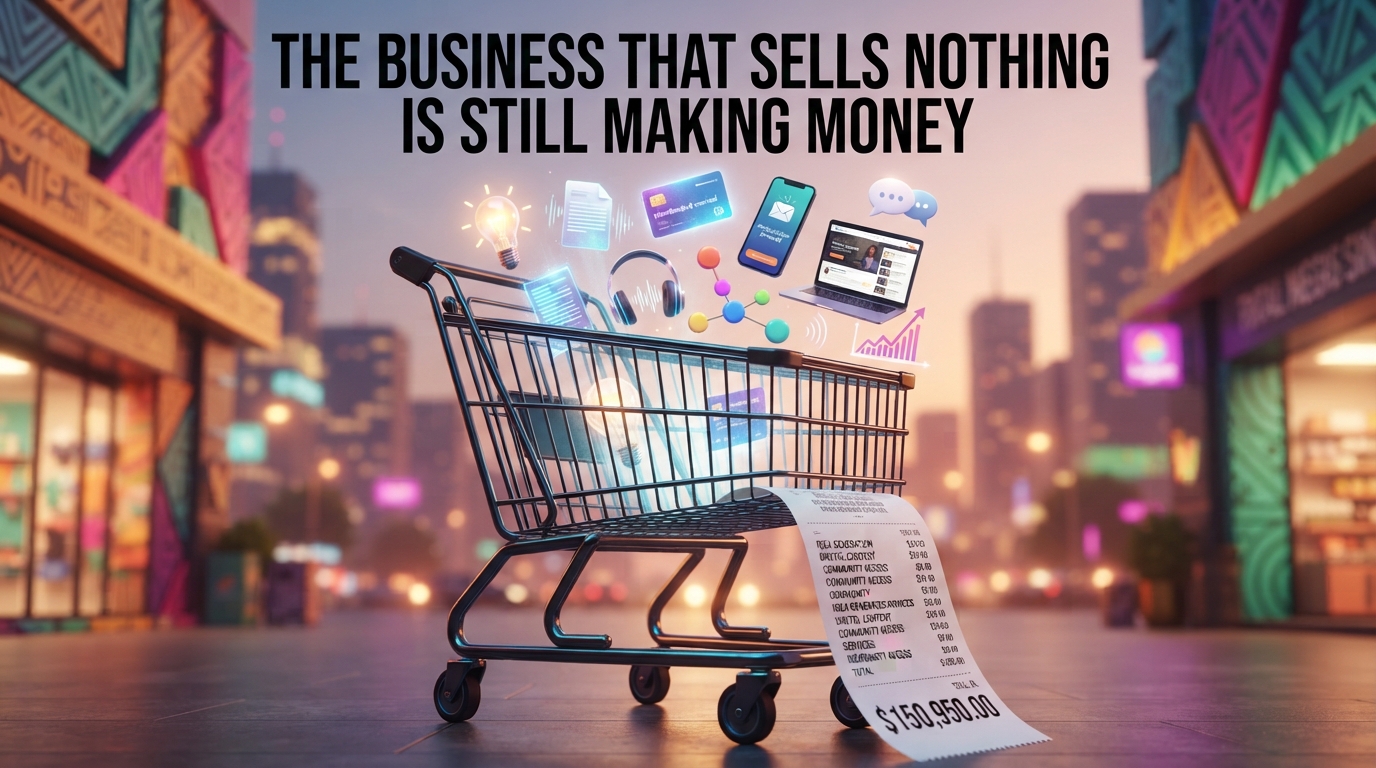
Because some of today's businesses are making money from things that would barely have been considered “products” a generation ago.
Attention.
Information.
Access.
Convenience.
Community.
Experiences.
Welcome to a different kind of business.
The Product Isn't Always the Product
Consider a creator who spends months building an audience around personal finance.
At first, there may be nothing to sell.
Just videos.
Posts.
Explanations.
Conversations.
People start following.
Then the creator creates a paid financial workbook.
Or launches a course.
Or starts a membership.
Or hosts a workshop.
The audience was free.
But the trust built around the audience became valuable.
The creator didn't manufacture a physical product.
The business was built around knowledge, attention and access.

A fitness expert can build a community and sell personalised programmes.
A writer can build an audience and launch a paid newsletter.
A designer can sell templates.
A teacher can create digital learning resources.
A professional can sell consulting.
A podcaster can build sponsorships around an audience.
An event organiser can sell an experience rather than an object.
A community builder can charge for access to a network of people with shared interests.
None of these businesses needs a warehouse full of products.
Their most valuable asset may be something much less visible:
what they know, who trusts them, and who wants access to what they have built.
Attention Has Become an Economic Asset
Getting someone's attention is difficult.
Keeping it is even harder.
That is why audiences can become valuable.
A person who has spent years building an audience around a specific subject may have something that a new business cannot simply buy overnight: relationship.
People know their voice.
They recognise their style.
They understand what they talk about.
They may trust their recommendations.
That relationship can eventually support several different business models.
This is one reason the creator economy has increasingly moved beyond simply earning money from views.
Current creator-economy research points toward memberships, communities, subscriptions, digital products and direct audience relationships as important parts of the evolving model.
Current creator-economy research points toward memberships, communities, subscriptions, digital products and direct audience relationships as important parts of the evolving model.
But Having an Audience Doesn't Automatically Mean Having a Business
This part is important.
Followers are not the same thing as customers.
Views are not the same thing as revenue.
And popularity is not the same thing as a sustainable business.
Someone can have hundreds of thousands of followers and still struggle to make consistent income.
The business begins to become clearer when there is a connection between:
Audience → Value → Offer → Revenue.
People discover you.
They find something useful in what you provide.
They trust your expertise or experience.
You create something valuable enough for some of them to pay for.
And the relationship continues.
The New Store Can Be Invisible
A traditional business might have:
Building → Products → Customers → Sales.
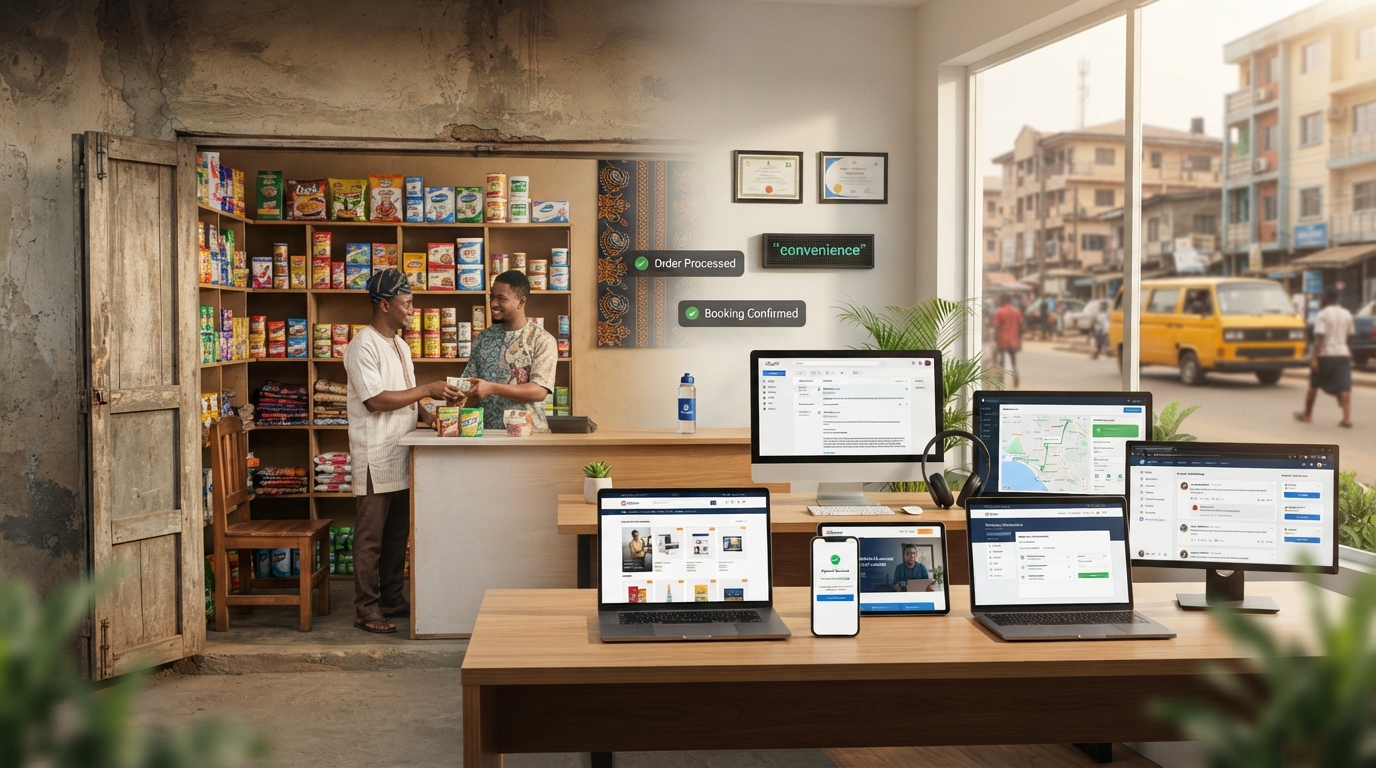
A digital-first business might look completely different:
Audience → Trust → Value → Community → Offer → Sales.
There may be no storefront.
No shelves.
No stockroom.
No cashier.
Yet money can still move.
The “shop” may be a website.
A payment page.
A private community.
A newsletter.
A course platform.
Or even a person's inbox.
Convenience Is a Product Too
And it isn't only creators.
Think about businesses that make people's lives easier.
A platform connects customers with service providers.
A delivery company saves people a trip.
A booking platform saves people time searching.
A digital service removes a complicated process.
The customer isn't necessarily paying for an object.
They are paying for less stress, less time, more access or more convenience.
That is still value.
The Question Businesses Should Be Asking
The old question was:
“What can we manufacture and sell?”
The newer question is:
“What problem can we solve, and what form should that solution take?”
Sometimes the answer is a physical product.
Sometimes it is a service.
Sometimes it is information.
Sometimes it is access.
Sometimes it is a community.
Sometimes it is an experience.
And sometimes, the most valuable thing a business can build is an audience that genuinely wants to hear from it.
The interesting part is that the business world is becoming less obsessed with what something looks like and more interested in what value it creates.
So yes.
A business can sell something you cannot put on a shelf.
It can sell knowledge.
Time.
Access.
Convenience.
Entertainment.
Connection.
And if people believe that what they receive is valuable enough,
they will still pay for it.
Comments (0)
No comments yet. Be the first to share your thoughts.